Alto Adige White Wines for Restaurant Selection
Table of Contents
- Why Alto Adige White Wines Matter for Restaurant Wine Lists
- Alto Adige White Wine Varieties and Regional Character
- Alto Adige Wine Food Pairing Strategies for Menus
- Alto Adige Age-Worthy White Wines for Investment Lists
- Restaurant Wine List Selection Criteria and Strategy
- Sourcing Alto Adige Wines: Quality, Reliability, and Partnership
- Frequently Asked Questions
Last Updated: October 10, 2026
Why Alto Adige White Wines Matter for Restaurant Wine Lists
Building a distinctive restaurant wine list requires more than filling shelves with familiar names. Alto Adige white wines offer something most UK restaurants overlook: exceptional regional character paired with genuine versatility across menus.
The region's white-wine production has transformed dramatically over the past two decades. What was once overlooked in favour of Tuscany or Piedmont is now recognised as one of Europe's finest white-wine terroirs. For restaurant managers and wine buyers, this shift creates an opportunity. These wines deliver complexity and food-friendliness at price points that don't demand premium markups.
The appeal runs deeper than novelty. Alto Adige white wines, particularly Pinot Grigio, Sauvignon Blanc, and Gewürztraminer, combine crisp acidity with mineral precision. That combination works across seafood, poultry, vegetable-forward dishes, and lighter meat preparations. A single bottle can anchor multiple pairings on your menu, which simplifies both purchasing and staff training.
At 79North Ltd, we provide trusted representation for independent retailers and restaurants, connecting them with small, innovative wineries. The region's producers, many family-owned and committed to sustainable practices, bring authenticity that matters to diners seeking something beyond the usual suspects.
Alto Adige White Wine Varieties and Regional Character
The region's white-wine share of production reflects a clear commitment to freshness and elegance. Unlike warmer regions that struggle with high alcohol or overripe fruit, Alto Adige's cool mountain climate preserves acidity and mineral expression. That terroir advantage translates directly into wines that pair well with food.
Pinot Grigio: Crisp, Approachable, and Versatile
Pinot Grigio from Alto Adige is the region's flagship variety, and for good reason. It's crisp, clean, and approachable, qualities that appeal to wine drinkers and non-wine drinkers alike. The variety thrives in the region's cool conditions, developing delicate stone-fruit aromas and a mineral backbone that distinguishes it from Pinot Grigio produced elsewhere.
For restaurant lists, this is your anchor white. It works with lighter seafood, shellfish, white fish, and vegetable-based appetisers. The acidity cuts through richness without overwhelming subtle flavours. Most importantly, it's a wine customers recognise, which means less education required from your team.
The common mistake is treating all Pinot Grigio as interchangeable. Alto Adige versions offer genuine complexity, floral notes, citrus precision, and a finish that lingers. That difference justifies a slightly higher price point and positions your list as curated rather than generic.
Sauvignon Blanc: Mineral-Driven Complexity
Alto Adige Sauvignon Blanc occupies a distinctive space. It's not the tropical, fruit-forward style of New Zealand, nor the herbaceous intensity of the Loire Valley. Instead, it balances herbal notes with mineral precision and subtle citrus. The wines often show white peach, grapefruit, and a flinty quality that signals serious terroir expression.
For menus, Sauvignon Blanc from this region pairs exceptionally well with goat cheese, shellfish, and herb-forward dishes. It's the wine to recommend when a customer wants something with character but isn't ready for full aromatic intensity. The mineral-driven profile appeals to wine enthusiasts whilst remaining approachable for casual drinkers.
What most wine lists miss is the regional distinction. A Sauvignon Blanc labelled simply "Alto Adige" carries more credibility than a generic regional blend. Your team should be able to articulate that difference, it's the kind of detail that builds customer trust.
Gewürztraminer: Aromatic and Distinctive
Gewürztraminer is the region's most polarising variety. It's intensely aromatic, floral, spicy, with lychee and rose-petal notes. Some customers will order it immediately upon tasting. Others will find it too perfumed. That's precisely why it belongs on a distinctive list.
Gewürztraminer works brilliantly with Asian-influenced dishes, spiced preparations, and rich seafood. It's also one of the few white wines that can stand up to duck or lighter game. For restaurants with adventurous menus, this variety becomes a conversation starter.
The key is positioning it correctly. Don't bury it in a generic white section. Feature it as a speciality option, and brief your team on its unique character. Customers appreciate guidance when a wine challenges conventional pairing logic.
Chardonnay and Pinot Bianco: Elegant Depth
Alto Adige produces Chardonnay and Pinot Bianco with restraint and elegance. These are not the heavily oaked, butter-forward styles that dominated 1990s wine lists. Instead, they emphasise freshness, mineral precision, and subtle complexity.
Chardonnay from the region works with richer fish preparations, poultry with cream sauces, and lighter pasta dishes. Pinot Bianco, a variety many UK wine buyers overlook, offers similar versatility with a slightly lighter touch. Both wines demonstrate that white wine can offer depth without sacrificing food-friendliness.
For restaurant lists, these varieties signal sophistication. They're not trendy, but they're not boring either. A customer choosing one of these wines is signalling they want something more considered than a standard Pinot Grigio.
Alto Adige Wine Food Pairing Strategies for Menus
Pairing Alto Adige whites with menu items requires understanding both the wines and your cuisine. The region's varieties offer flexibility, but strategic pairing elevates the entire dining experience.
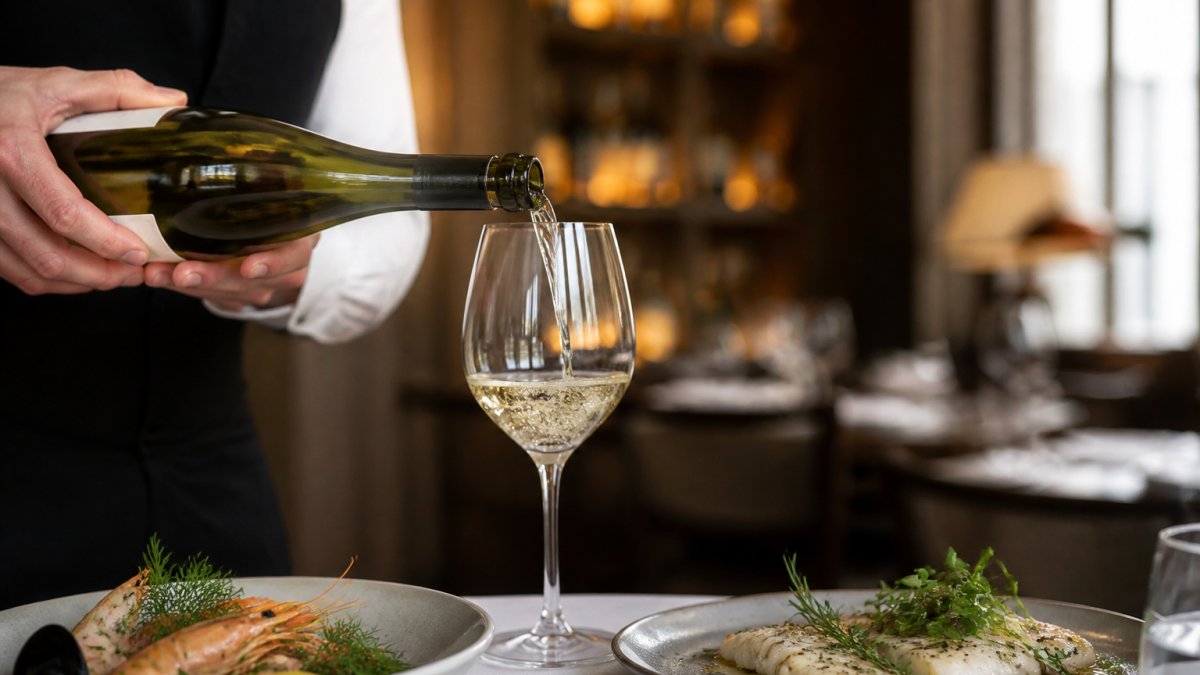
Start with your menu's backbone. If seafood dominates, Pinot Grigio and Sauvignon Blanc become your core selections. If your menu features richer preparations, Chardonnay and Pinot Bianco deserve prominent placement. Gewürztraminer works best when you have dishes with genuine spice or Asian influence.
The mistake many restaurants make is treating pairings as rigid rules. Instead, think of them as frameworks. A dry Gewürztraminer can work with Thai-inspired dishes, but it also pairs beautifully with delicate white fish if the preparation includes aromatic elements like ginger or lemongrass.
For your team, create simple pairing guides tied to specific menu items rather than abstract principles.
Consider offering tasting flights that showcase the region's range. A flight of three Alto Adige whites, perhaps Pinot Grigio, Sauvignon Blanc, and Gewürztraminer, demonstrates the region's diversity whilst introducing customers to varieties they might not choose independently.
Alto Adige Age-Worthy White Wines for Investment Lists
Most white wines are meant for immediate consumption, but Alto Adige produces age-worthy selections that reward patience. These wines develop complexity over 5-10 years, making them ideal for serious wine collectors and long-term cellar investments.
The region's top Chardonnays and Pinot Bianco selections age exceptionally well. As they mature, they develop honey, toast, and mineral complexity that younger versions cannot achieve. For restaurants with serious wine programmes, offering aged Alto Adige whites signals expertise and commitment to quality.
Sauvignon Blanc from top producers can also age gracefully, though most are best consumed within 3-5 years. The wines develop herbal complexity and deeper mineral expression as they mature.
For restaurant lists, including at least one age-worthy selection, perhaps a reserve Chardonnay or a top producer's Pinot Bianco, demonstrates sophistication. These wines appeal to customers willing to spend more for genuine complexity. They also provide higher-margin opportunities, as serious wine drinkers expect to pay premium prices for aged selections.
The challenge is sourcing these wines reliably. Top producers release limited quantities of reserve selections, and availability fluctuates. Working with an importer familiar with the region, someone who maintains relationships with producers, ensures you can secure these wines consistently.
Restaurant Wine List Selection Criteria and Strategy
Building an Alto Adige-focused section requires more than simply ordering bottles. Strategic selection ensures your list balances accessibility with distinction.
Building Balance Across Price Tiers
Your list should offer entry points at multiple price levels. A customer seeking a £20 bottle needs options just as much as someone willing to spend £50. This approach maximises sales across different customer segments.
Start with accessible Pinot Grigio options in the £20-30 range. These wines introduce customers to the region without demanding premium investment. Move to mid-range selections (£30-45) featuring Sauvignon Blanc, Gewürztraminer, and quality Chardonnay. Reserve your highest prices (£45+) for aged selections and top-producer releases.
This tiered approach also simplifies staff training. Your team can confidently recommend wines at different price points without requiring encyclopaedic knowledge. A server can say, "We have Alto Adige Pinot Grigio at £24 or a reserve selection at £48, both are excellent, so it depends on your budget."
By-the-Glass Considerations and Availability
By-the-glass offerings drive wine sales more effectively than bottle-only lists. For Alto Adige, offer at least one white by the glass, ideally a versatile Pinot Grigio that works across multiple menu items.
The challenge with by-the-glass service is managing inventory. Opened bottles deteriorate, and waste impacts profitability. Work with your importer to understand which wines hold well once opened. Some producers' Pinot Grigio maintains quality for 3-4 days after opening, whilst others fade quickly.
Consider rotating by-the-glass selections seasonally. Summer menus might feature lighter Sauvignon Blanc, whilst autumn and winter selections could include richer Chardonnay or aromatic Gewürztraminer. This approach keeps your list fresh and gives regular customers reasons to explore new options.
Staff Training and Serving Guidance
Your team's knowledge directly impacts wine sales. Invest time in training staff on Alto Adige's characteristics and regional distinctions. They should understand why a Sauvignon Blanc from this region differs from other Sauvignon Blancs, and how that difference matters for food pairing.
Create simple reference guides for your team, nothing exhaustive, just key talking points for each wine. "Pinot Grigio: crisp, mineral, works with seafood and lighter dishes." "Gewürztraminer: aromatic, slightly spicy, pairs with Asian-influenced preparations." These simple frameworks help staff recommend confidently without requiring wine expertise.
Serving temperature matters more than many restaurants acknowledge. Alto Adige whites are best served at 8-10°C, slightly warmer than many restaurants serve white wine. This temperature allows the wines' mineral and fruit character to express fully. Brief your team on this detail; it's a small touch that demonstrates genuine care for the wine experience.
Sourcing Alto Adige Wines: Quality, Reliability, and Partnership
Finding reliable Alto Adige sources requires knowing which producers prioritise quality and which chase volume. The region has grown significantly, and not all producers maintain consistent standards.
Work with an importer who maintains direct relationships with producers. This matters more than you might expect.
Reliability is essential for restaurant operations. You cannot build a wine list around bottles that disappear for months. An importer familiar with producer release schedules and inventory levels can help you plan ahead and avoid stockouts.
At 79North Ltd, our approach centres on partnership.
The conversation around sourcing should also address sustainability and cultural enrichment. Many Alto Adige producers are committed to sustainable viticulture and cultural preservation. These values resonate with customers increasingly interested in where their wine comes from and how it's produced.
Building a distinctive Alto Adige white wine offering requires understanding both the region's wines and your restaurant's specific needs. The region produces exceptional whites across multiple styles and price points, each offering genuine food-friendliness and character.
The best wine lists tell a story. An Alto Adige-focused section demonstrates knowledge, commitment to quality, and genuine curation.
Let's talk about building your wine programme.
Frequently Asked Questions
Which white wines are produced in Alto Adige?
Alto Adige produces a diverse range of white wines, with Pinot Grigio, Sauvignon Blanc, Gewürztraminer, Chardonnay, and Pinot Bianco as the primary varieties. The region's cool climate and Alpine influence create wines known for their freshness, acidity, and mineral character. Single-varietal wines dominate production, reflecting the region's commitment to expressing individual grape characteristics and terroir.
What food pairs well with Alto Adige Pinot Grigio?
Alto Adige Pinot Grigio's crisp acidity and delicate fruit character make it ideal for seafood, shellfish, light pasta dishes, and fresh vegetables. Its balanced, dry profile works particularly well with grilled fish, risotto, and Mediterranean-inspired appetisers. The wine's freshness complements lighter courses without overpowering subtle flavours, making it a reliable choice for diverse menus.
Which Alto Adige white wines are suitable for ageing?
Alto Adige's top-tier Chardonnay, Sauvignon Blanc from select producers, and premium Gewürztraminer can age gracefully for 5-10 years or more, developing complexity and secondary flavours. Pinot Bianco from quality-focused wineries also shows age-worthiness. Vintage variation and producer reputation are critical; seek established, small-batch producers known for structured, mineral-driven wines with the acidity and extract to improve over time.
How should a restaurant choose wines for a balanced white wine list?
Start by defining price tiers and by-the-glass strategy, then select complementary varieties that suit your cuisine and clientele. Include at least one crisp, food-friendly option (Pinot Grigio), one aromatic choice (Gewürztraminer or Sauvignon Blanc), and one with depth (Chardonnay). Prioritise producers with reliable supply and consistent quality. Train staff on regional character and pairings to drive sales and guest satisfaction.