Biodynamic Small Batch Italian Wine Explained: 2026 Guide
Table of Contents
- What Makes Italian Wine Biodynamic, Small Batch and Different
- Biodynamic Wine Certification Standards UK Buyers Should Know
- The Benefits of Small Batch Wine Production for Independent Buyers
- Native Italian Grape Varieties Behind the Best Small-Batch Wines
- Tasting Notes and What to Expect from Biodynamic Italian Wine
- The Economic Reality for Small-Batch Biodynamic Producers
- Sourcing Biodynamic Small Batch Italian Wine for Your List
- Frequently Asked Questions
Last Updated: September 20, 2026
What Makes Italian Wine Biodynamic, Small Batch and Different
Biodynamic small batch italian wine explained simply comes down to two things: how the grapes are grown, and how little wine is made. Biodynamic farming treats the vineyard as a self-contained living system, while small-lot production keeps every decision, from harvest to bottling, with the grower rather than a bulk blending team.
Biodynamic, Organic and Natural: The Practical Differences
Organic farming bans synthetic inputs. Biodynamic farming goes further, treating soil vitality, biodiversity and ecosystem balance as the goal rather than just the absence of chemicals. Natural wine is a looser, largely unregulated term describing minimal-intervention winemaking, often with native yeast and no added sulfites.
Why Small-Lot Production Changes What Ends Up in the Bottle
Small-lot production means decisions are made parcel by parcel rather than tank by tank. Harvest timing shifts block by block, fermentation is often spontaneous with native yeast, and the wine reflects a specific micro-climate rather than a house style.
Biodynamic Wine Certification Standards UK Buyers Should Know
Certification is where most buyers get lost, and where a back label can mislead without technically lying. Two bodies dominate the Italian route: Demeter and Biodyvin.
Demeter, Biodyvin and the Italian Certification Route
In Italy, Demeter Italia handles most biodynamic certification, and many small estates also carry the national organic mark. The route is not quick: a grower must farm organically for a conversion period before biodynamic certification can begin, and inspections then run annually.
What that means in practice for a small estate:
- Whole-farm scope. Demeter certification covers the entire holding, not just the vineyard. A grower with olive groves, a vegetable plot or livestock has to bring all of it into the system, which is a far bigger commitment than certifying a single parcel.
- Input restrictions. The permitted preparations, composts and sprays are tightly defined. Anything outside the approved list, including some inputs that would be legal under organic rules, is off the table.
- Record-keeping. Inspectors want field diaries, preparation logs and input records. For a family estate with two or three people doing everything, that administrative load is real.
- Annual fees and inspection costs. These are modest for a large winery but proportionally heavy for a grower making a few thousand bottles.
How to Read a Back Label Without Being Misled
Look for the certification body's logo and a certification number, not the word "biodynamic" alone. Terms like "sustainable," "clean" and "natural" carry no legal definition and can appear on any bottle.
- Certification body named and logo present
- Certification number printed
- Grape variety and region stated specifically
- Producer name matches the estate, not a négociant
- Alcohol level and volume stated in metric units
Why Some Small Estates Never Certify
A grower making 3,000 bottles may farm to biodynamic principles for decades and never carry the logo, because the cost and paperwork do not pay back at that volume. The wine can be genuinely biodynamic in method while uncertified on paper.
The Benefits of Small Batch Wine Production for Independent Buyers
The benefits of small batch wine production for independents come down to differentiation. A supermarket can undercut you on a widely distributed label, but cannot stock a wine made in 3,000 bottles from a single hillside.
| Buyer Priority | Small-Batch Biodynamic | Large-Volume Equivalent |
|---|---|---|
| Differentiation | High, limited allocation | Low, widely available |
| Story behind the bottle | Grower-led, specific | Brand-led, generic |
| Vintage variation | Noticeable, part of appeal | Engineered out |
| Reorder reliability | Depends on allocation | Highly consistent |
Native Italian Grape Varieties Behind the Best Small-Batch Wines
Regional Specifics: What Grows Where and Why It Matters
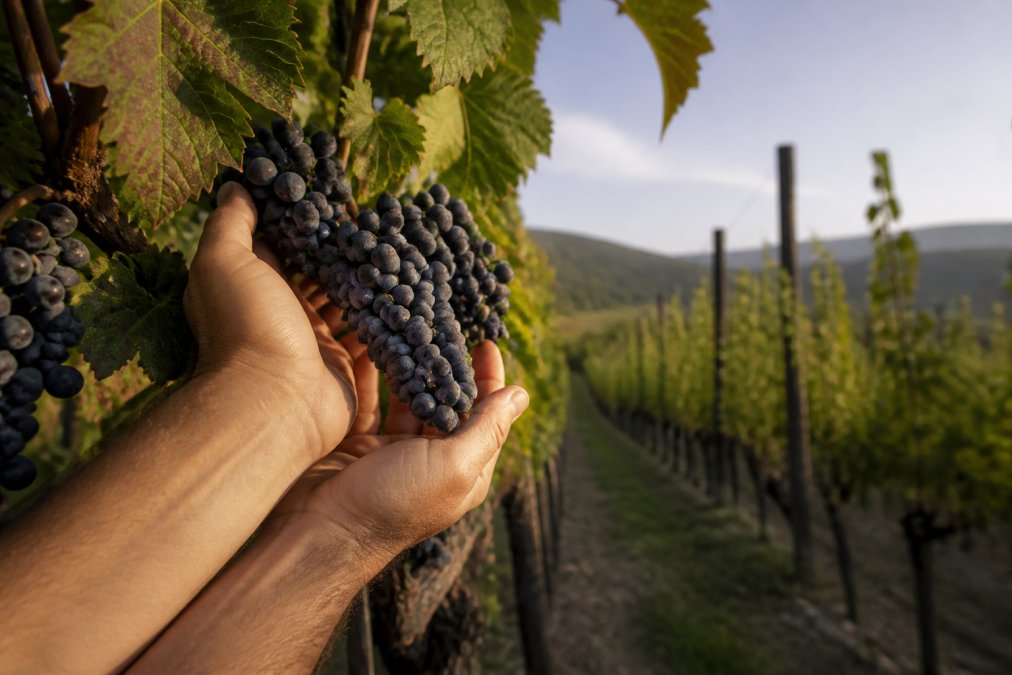
Aglianico thrives on the volcanic soils of Campania and Basilicata, giving structured, age-worthy reds. Nerello Mascalese on Etna's lava terraces produces pale, savoury wines with real tension. In the Marche, Verdicchio responds sharply to micro-climate, so single-vineyard bottlings differ greatly from the regional blend.
Tasting Notes and What to Expect from Biodynamic Italian Wine
Tasting notes for small-batch Italian biodynamic wine lean savoury rather than sweet: firmer tannin, higher natural acidity, and aromas of earth, herb and stone rather than vanilla or toast, because new oak is used sparingly if at all.
- Aglianico: black cherry, dried herb, iron, firm tannin
- Nerello Mascalese: red cherry, ash, dried rose, high acidity
- Verdicchio: green apple, almond, saline finish
- Timorasso: quince, honeyed texture, waxy depth
The Economic Reality for Small-Batch Biodynamic Producers
Small-batch biodynamic farming costs more per bottle, with no way around it: lower yields, manual vineyard work, annual certification fees, and a single hailstorm able to wipe out production with no bulk volume to absorb it.
Where the Money Actually Goes
The cost premium is several costs stacked together:
- Lower yields. Biodynamic farming typically produces less fruit per hectare than conventional viticulture. Fewer grapes means the same fixed costs, land, labour, equipment, are spread across fewer bottles.
- Manual labour. Without synthetic herbicides, weed control is mechanical or by hand. Canopy work, composting and preparation-making all take hours that a conventional estate does not spend.
- Preparation costs. The biodynamic preparations themselves, the compost preparations, the field sprays, have to be made or sourced, stored and applied on a schedule tied to the lunar calendar. That is skilled time, not a product you buy off a shelf.
- Certification fees and inspection. Annual fees plus the administrative time to keep records inspection-ready.
- Vintage risk with no buffer. A small estate has no second vineyard, no bulk wine to blend in, and no large-volume contract to fall back on. One frost or hail event can cut production by half.
Why the Maths Works Differently for a Small Estate
For a large commercial winery, biodynamic certification is a marketing investment spread across hundreds of thousands of bottles, making the per-bottle cost of fees and extra labour trivial.
What This Means for an Independent Buyer
For independents, the calculation differs from a supermarket's: you are not buying volume, you are buying something competitors cannot easily replicate. The economics only work if the wine sells at full margin, which means staff who can tell the story properly.
A few practical implications:
- Price reflects real cost, not positioning. When a small-batch biodynamic bottle sits above a comparable conventional wine, the gap is usually genuine cost, not markup.
- Allocation is finite by design. The grower cannot simply make more next year. If a wine sells well, you may not get more of it.
- Vintage variation is a feature, not a fault. A difficult year produces a different wine, and that difference is part of what you are selling.
- The story has to be told. These wines do not sell themselves on the shelf. They sell because someone can explain why the bottle costs what it does.
Sourcing Biodynamic Small Batch Italian Wine for Your List
Sourcing these wines is hardest because the producers are small and rarely have export infrastructure: most have no UK importer, no English-language website, and no interest in chasing paperwork.
The practical checklist for evaluating any supplier:
- Can they name the estate and the certification body?
- Do they hold stock in the market, or is every order a special shipment?
- What happens if a wine is out of stock at harvest?
- Can they provide tasting notes and technical sheets for staff training?
- Are sample bottles available before committing to a listing?
Frequently Asked Questions
What does it mean if a wine is biodynamic?
A biodynamic wine comes from a vineyard farmed as a single living system: compost preparations, lunar and seasonal timing, and no synthetic fertilizers or pesticides. Certification bodies such as Demeter verify these practices through annual inspections. For biodynamic Italian wine, the result is typically lower sulfite levels, native yeast fermentation and a stronger sense of place. It is a stricter standard than organic, which focuses mainly on what is banned rather than the holistic ecosystem approach biodynamic farming requires.
How does biodynamic farming differ from organic viticulture?
Organic viticulture bans synthetic fertilizers and most chemical sprays. Biodynamic farming goes further: it treats the vineyard as a closed ecosystem, uses preparations made from compost and minerals, and times work to lunar cycles and agricultural rhythms. Certification standards reflect this, with Demeter and Biodyvin requiring biodiversity measures and soil vitality checks that organic rules do not. In practice, a biodynamic Italian wine usually comes from a smaller estate where vineyard health is managed by hand rather than by input.
Why is small batch production significant for Italian wine quality?
Small-lot production means the winemaker can pick by parcel, ferment separately and intervene only when needed. Yields are lower, so grapes ripen more evenly and carry more concentration. The benefits of small batch wine production also show in traceability: an estate-bottled wine from a few thousand bottles can be tracked back to a specific vineyard and vintage. Larger blends lose that detail. For independent shops and restaurants, it also means a wine your competitors are unlikely to list.
How do I identify authentic biodynamic wines in the UK market?
Check the back label for a certification logo such as Demeter or Biodyvin, and look for the certifying body's code. Estate-bottled wording, a named vineyard and a stated vintage all point to genuine small-lot production. Be cautious with bottles that claim 'biodynamic methods' without a certificate, since the term is not legally protected in the same way as organic. Ask your importer for the producer's certification documents before listing, and confirm the winery's size and supply reliability in writing.