
Which British Wines Pair Best With Food?
Quick Summary
British wines food pairing works by matching or cutting through the dish's richness, using the wine's acidity, body and fruit. Native varieties such as Bacchus are crisp and aromatic, so they suit spring vegetables, goat's cheese and light seafood, while English sparkling wine pairs well with fried and salty foods.
- Match the wine's acidity to the dish, so lemon-and-butter dishes need a crisp, acidic wine.
- English sparkling wine suits oysters, fried chicken, brie and salted snacks.
- Bacchus pairs with asparagus, goat's cheese salads, smoked fish and herbs.
- Avoid very strong chilli or heavy spices with Bacchus, as they overwhelm its lighter palate.
- Serve whites and sparkling wines at around 8 to 10°C, and sparkling wine slightly colder.
Table of Contents
Why Pairing Native British Wines With Food Works
Pairing a wine with a meal is about balance: the wine's acidity, sweetness, body and tannin should either match the food or cut through it, and getting that right is the heart of British wines food matching. Native British grape varieties such as Bacchus bring bright acidity and aromatic fruit, which makes them unusually flexible at the table.
Most guides on wine and food assume a wine from a traditional region with decades of pairing advice behind it. Native British wines are newer to most menus, so guests often need a little more guidance. The good news is that the same principles apply. Match intensity with intensity, use acidity to lift rich food, and let fruit complement sweetness.
What makes this topic useful is that British wines tend to be lighter and more aromatic than many warm-climate wines. A light, zesty wine suits delicate fish and summer salads far better than a heavy red. This guide walks through a repeatable way to choose a pairing, then applies it to the styles you are most likely to stock.
A Repeatable Method for Choosing a Pairing
You do not need to memorise dozens of pairing rules. A simple four-step check works for almost any dish.
- Start with the dish's weight: light, medium or rich
- Note the dominant flavour: salty, sweet, smoky, herbal or spicy
- Choose a wine with matching or slightly higher acidity
- Check sweetness: the wine should never taste sweeter than the food
Here is how that plays out in practice. A dish with lemon and butter needs a wine with good acidity to cut the richness. A salty, fried snack suits a sparkling wine, because the bubbles and acidity refresh the palate. A dessert needs a wine at least as sweet as the pudding, or the wine will taste thin.
Watch out: a wine that tastes delicious alone can taste sour or flat next to spicy food. Taste the British wines food pairing before you serve it to a table.
English Sparkling Wine Food Pairings
English sparkling wine is one of the easiest styles to pair. Its high acidity and fine bubbles cleanse the palate between bites, which suits fried, salty and creamy foods alike.
- Oysters and fresh shellfish
- Fried chicken or tempura
- Soft cheeses such as brie
- Salted popcorn and crisps
Brut styles, with low sugar, suit savoury food best. A sweeter sparkling wine works better with fruit-based desserts. Serve sparkling wine well chilled, around 6 to 8°C, to keep the bubbles lively.
Bacchus Wine Food Pairing: Matching a Native Grape
Bacchus is one of the most widely planted native grapes in England. It is typically crisp, floral and citrusy, with a fresh finish. Those qualities make it a natural match for green and aromatic foods.
- Asparagus and young spring vegetables
- Goat's cheese salads
- Smoked fish and light seafood dishes
- Herbs such as mint, dill and basil
Bacchus can be lighter on the palate than many Sauvignon Blancs, so avoid very strong chilli or heavily spiced dishes that will overwhelm it. A simple roast chicken with lemon and herbs is a reliable choice.
British Wine With Seafood
Seafood is where native British wines tend to shine. Their high acidity and clean finish suit delicate fish without overpowering it.
- Scallops with a light butter sauce
- Grilled white fish with lemon
- Crab salads with fresh herbs
- Prawns served cold with a simple dressing
Heavier, oily fish such as mackerel or salmon can work with a richer, more structured white or a sparkling wine. Match the wine's body to the fish's richness, and the pairing will feel balanced.
Pairing British Wine With Traditional British Dishes
British cooking is often underrated at the table. Roast meats, pies and hearty stews are a good test of a wine's structure.
- Roast chicken with herbs and lemon: a dry, crisp white
- Fish and chips: a sparkling wine
- Ploughman's lunch with cheddar: a fruity, medium-bodied white
- Summer salads with fresh peas and mint: a light, aromatic white
For a fuller red, look for a wine with soft tannins to match a roast or a pie. Avoid high-tannin reds with fish or delicate sauces.
Serving Temperature, Budget and Availability: Making the Pairing Work in Practice
The best pairing can still disappoint if the wine is served too warm or too cold. Whites and sparkling wines are best around 8 to 10°C, while lighter reds taste better slightly cooler than room temperature.
Budget matters too. Many good British wines are available in a range of price points, so you can pair at most budgets. Pricing depends on the producer, the vintage, the quantity you buy and delivery, so check with 79North Ltd for current prices and availability rather than relying on a fixed figure.
Keep a short list of go-to pairings your team can recommend. Staff confidence matters more than an elaborate tasting note.
Trying Your First British Wine Pairing at Home
Start with one dish you already know well. Choose a simple option, such as grilled fish or a cheese board, and pour a native British white or sparkling wine alongside it. Taste the food and the wine together, then taste each on its own. Notice whether the wine lifts the dish or fights it.
Frequently Asked Questions
What food pairs well with British sparkling wine?
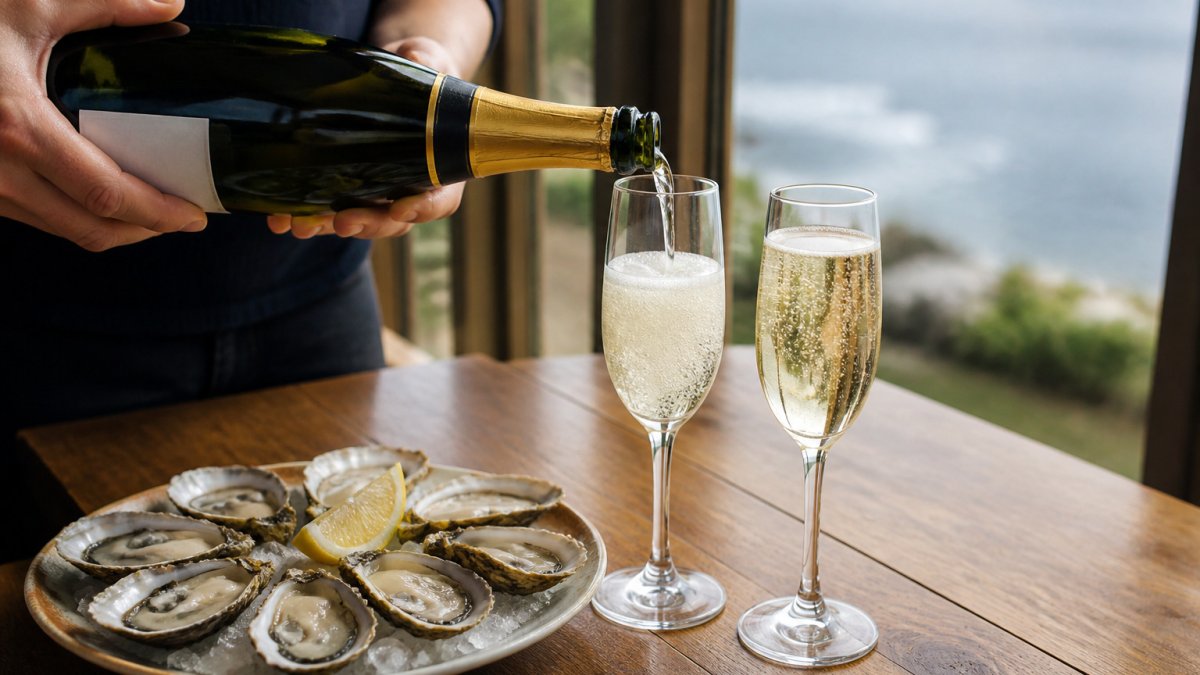
British sparkling wine, made largely in the traditional method, has high acidity and fine bubbles that cut through rich and fatty foods. It pairs well with fried fish and chips, oysters, smoked salmon, soft cheeses such as Brie, and fried chicken. Its freshness also works with salty snacks and light starters. Choose a Brut or Extra Brut style for savoury food, since sweeter styles can taste flat beside salt and spice. Serve it well chilled, around 6 to 8 degrees Celsius, to keep the bubbles lively.
Which foods go best with English Bacchus?
Bacchus is an aromatic white grape with floral and citrus notes and a light, fresh body. It suits dishes with herbs, green vegetables and delicate flavours. Good matches include asparagus, goat's cheese salads, white fish with lemon and dill, and light chicken dishes. Its aromatic character can also work with some Asian-style dishes that are not too spicy. Avoid very heavy, buttery sauces, which can overwhelm its delicacy.
Which British wines pair well with seafood?
Seafood suits the bright acidity common in many English and Welsh whites and sparkling wines. Dry sparkling wines pair well with shellfish such as scallops and prawns, while crisp, unoaked whites suit cod, sea bass and mussels. The key is matching intensity: lighter seafood calls for lighter wines, while richer fish such as salmon or turbot can handle a fuller white. Serving the wine cool, not ice cold, helps the flavours show clearly.
Can British rosé be paired with spicy food?
Yes. Many British rosés have bright fruit and enough acidity to balance mild to medium spice, making them a practical choice for curries and barbecue dishes. Their softer tannins compared with red wine also reduce the heat's impact on the palate. Very hot dishes can overwhelm a delicate rosé, so choose a fuller-bodied style for stronger heat and keep the wine well chilled.
