7 Steps to Market Premium Italian Wines to Local Customers
Quick Summary
To market premium Italian wines to local customers, define a few specific audiences, explain each bottle's story at the shelf, and give people a low-risk way to try it through tastings. Tasting events, restaurant wine cards and regular email or social updates then turn one-time buyers into regulars.
- Pick three clear customer audiences rather than ten vague ones.
- Use short shelf talkers with the region, grape and one food pairing.
- Keep tasting events to eight to twelve people with three contrasting wines.
- Write plain-language descriptions on restaurant wine cards and offer tastes to hesitant guests.
- Send a short monthly message with one new arrival, one pairing and one event date.
Table of Contents
Why Local Customers Need a Reason to Try Premium Italian Wine
Most local shoppers pick the same few bottles every time. Premium Italian wines from small producers can change that, but only if you give customers a clear reason to try them. This guide walks you through six practical steps to market premium Italian wines to local customers, from defining your audience to keeping them coming back.
Many independent shops find that customers hesitate at unfamiliar labels. A bottle from an unknown Tuscan estate can look like a gamble next to a name they already trust. The fix is not to lower prices. It is to explain what makes the wine worth the attention.
Start with the reason a customer should care. For example, a small family estate may use a native grape that few people have tasted. That story, told well at the shelf, turns an unknown label into a conversation.
Before you start, keep three questions in mind:
- Who already buys wine in your area?
- What do they expect to pay?
- What would make them curious enough to try something new?
Watch out: Do not bury the story on the back label. Customers rarely read it there.
Step 1: Define Who Your Premium Italian Wine Is For
Your wine cannot appeal to everyone. Pick the customers most likely to value a distinctive bottle. These are often people who enjoy food, cook at home, or already buy from specialist shops.
Write a simple profile for each group. Include their typical budget, the occasions they buy for, and the questions they ask staff. A dinner-party host and a weekday wine lover need very different messages.
Keep the list short. Three clear audiences are easier to reach than ten vague ones.
Step 2: Build Customer Education Into Every Bottle You Sell
Premium customer education works best when it is short and specific. A shelf talker with the region, grape and one food pairing is often enough. Customers tend to remember one useful fact more easily than a full page of tasting notes. A brief tasting or pairing session can turn that one useful fact into a shared local experience, much as Reach LA Angels shows how clear invitations can bring people together around an event.
Train staff to answer three common questions: what the grape tastes like, what food it suits, and why it costs more than a familiar brand. Clear, honest answers build trust quickly.
Step 3: Promoting Italian Wine in Independent Wine Shops
Shops can promote Italian wine through displays grouped by region rather than by price. A small "Alentejo and beyond" style table near the till invites browsing. Rotate featured bottles regularly so regulars have a reason to return.
Tasting samples are the strongest tool here. Even a single open bottle poured by the glass can convince a hesitant buyer. Keep your sampling costs in view, as pricing depends on the wines you choose, the quantities and delivery dates. For a current quote, contact 79North directly before planning a programme.
Step 4: Run Italian Wine Tasting Events That Fill the Room
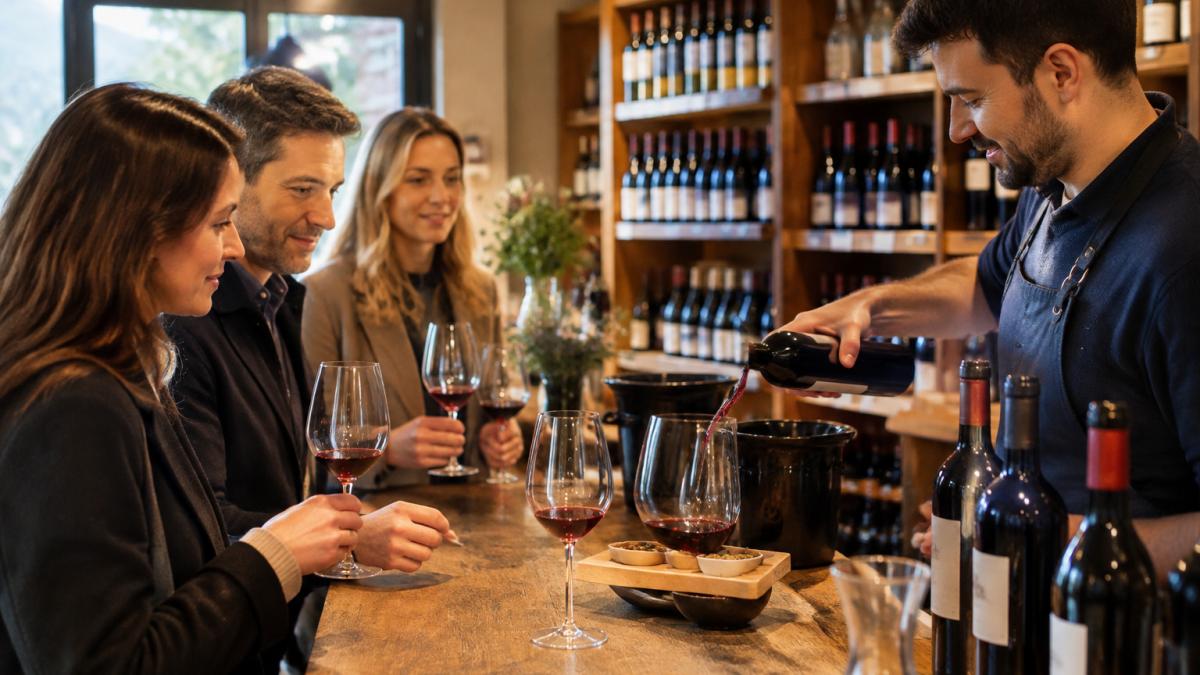
Tasting events draw people who want to learn and socialise. Keep the group small, around eight to twelve people, so everyone gets to taste and ask questions. Choose three wines that show a clear contrast, such as a light rosé, a crisp white and a structured red.
Plan the event around a story. Explain where each wine comes from and why the producer makes it. Ask guests to describe what they taste before you reveal the details.
Charge a ticket price that covers wine, staff time and a small margin, and sell bottles of the featured wines at the end of the evening.
Step 5: Marketing Wine to Restaurant Customers
Restaurant diners often order by familiarity. A short wine card with a sentence about each bottle helps them take a chance. Describe the wine in plain language, such as "bright, fresh and works well with grilled fish."
Train servers to offer a taste when a guest hesitates. Small, confident recommendations sell more wine than a long list. Track which bottles sell best and rotate them to keep the list fresh.
Step 6: Keep Local Customers Coming Back With Email and Social Content
Email and social media turn one-time buyers into regulars. Send a short monthly message with one new arrival, one pairing idea and one event date. Keep each message brief and personal.
On social media, post a mix of content: a photo of a bottle with its story, a short clip of a tasting, and a simple food pairing. Consistent posting matters more than polished production.
Use a basic customer list to segment your audience. Customers who bought red wine may want to hear about a new Italian red first, while others prefer white or sparkling.
Start Your Premium Italian Wine Range With 79North
Building a strong range of premium Italian wines takes time, and the right supplier makes it easier. At 79North Ltd, we import family-owned wines from Portugal and Italy for independent shops and restaurants. Our portfolio includes distinctive native grapes and small producers. To see what we represent or ask for a current quote, contact our team and let's talk about the wines that suit your customers.
Frequently Asked Questions
How do you market premium Italian wines to local customers?
Start with the customer rather than the bottle. Identify the two or three occasions your local buyers care about, such as weekend dinners or gifting, and match a small number of premium Italian wines to each. Then give people a reason to try them: a tasting, a shelf talker explaining the grape and region, or a restaurant pairing on the menu. Pricing depends on quantity, delivery and the producer, so check current prices and availability with 79North directly.
How can independent wine shops sell more Italian wine?
Group Italian wines by style or occasion rather than only by region, so a customer looking for a rich red for a Sunday roast can find it quickly. Put a single clear reason to buy on each shelf label, such as the grape variety or the family behind the winery. Staff who can describe two or three wines confidently in plain language will sell more than a wall of bottles with no context. Regular small tastings let customers compare wines before they commit to a case.
What makes a premium Italian wine appealing to customers?
Customers respond to a clear story and a wine that tastes distinctive. Family-owned producers, native grape varieties and a sense of place all give a bottle a reason to be remembered. Be specific about what the wine is and where it comes from, and describe the taste in terms a buyer can use, such as fresh and savoury or full-bodied with firm tannins. Premium should be explained by quality and origin rather than by price alone.
What wine tasting events help promote Italian wines?
A focused tasting of four to six wines from one region works better than a broad sampling of everything in stock. Themed evenings, such as an introduction to a single native grape variety, tend to attract people who want to learn. Keep the format simple: a short talk on each wine, printed tasting notes, and a small discount for bottles bought on the night. Follow up with the guests by email within a few days.
