5 Native Grape Vineyard ROI Factors That Shape Returns
Last Updated: October 25, 2026
Quick Summary
Native grape vineyard ROI requires seven to twelve years to break even, depending on establishment costs, yield, pricing, and operating efficiency. Success depends on validating agronomic performance, genuine buyer demand, and realistic financial projections before committing capital.
- Native grape vineyards typically produce between 3 and 8 tonnes per hectare, with full production arriving in years four to six
- Establishment costs include land, infrastructure, vine purchase, irrigation, storage facilities, and market access relationship-building
- Premium positioning for native varieties can justify higher pricing than commodity international varieties in the same region
- Market demand, climate stress, and buyer access represent significant risks that pure financial models often underestimate
- Validate agronomic performance, buyer interest, and financial assumptions with evidence before investing
Table of Contents
- Why Native Grape Vineyards Demand a Different ROI Approach
- Understanding Vineyard Investment Costs and Capital Requirements
- Grape Yield Per Acre: The Foundation of Revenue Projections
- Calculating Vineyard Payback Period and Break-Even Timeline
- Wine Investment Risks: Market Demand, Climate, and Buyer Access
- Native Varieties Versus International Grapes: Regional Performance and Profitability
- Native Varieties Versus International Grapes: Regional Performance and Profitability
- Evaluating Your Native Grape Vineyard Investment Opportunity
- Frequently Asked Questions
Why Native Grape Vineyards Demand a Different ROI Approach
Investing in native grape vineyards ROI requires a fundamentally different analysis than international alternatives. Native varieties like Jampal, Touriga Nacional, and Nero d'Avola carry distinct market dynamics, yield profiles, and regional demand patterns that reshape how you calculate returns.
Most vineyard investment guides treat all grapes equally. They don't. A native variety vineyard in a region with established buyer networks and cultural demand operates under entirely different economics than a commodity-focused operation. The payback timeline, production costs, and exit strategy all shift.
At 79North Ltd, we connect independent retailers and restaurants with premium family-owned producers. Our portfolio celebrates unique terroirs and native grape varieties, ensuring our partners receive distinctive, high-quality products that stand out in a competitive landscape.
This guide walks through the five factors that actually shape native grape vineyard ROI: capital structure, yield assumptions, break-even timing, market risk, and regional performance comparisons. Understanding these factors separately, and how they interact, is what separates a profitable investment from a costly mistake.
Understanding Vineyard Investment Costs and Capital Requirements
Establishing a native grape vineyard requires substantial upfront capital across land, infrastructure, and pre-production costs. Your initial investment determines how much annual profit you need to recover your outlay within a reasonable timeframe.
Typical establishment costs break down into several categories: land acquisition or lease, site preparation and soil work, vine purchase and planting, trellis and support infrastructure, irrigation systems, access roads, storage and production facilities, and regulatory compliance. Each varies significantly by region and vineyard size.
The scale of your operation shapes per-acre costs dramatically. A five-hectare vineyard distributes fixed costs across more production than a one-hectare plot, lowering per-unit establishment expense. Larger operations also negotiate better pricing on equipment and materials. However, larger operations require more working capital for ongoing management, labour, and marketing.
Land represents your largest single cost. Prime vineyard land in established regions commands premium prices, though native grape vineyards often occupy land less valuable than international variety sites. Soil preparation, drainage, and rootstock selection add significant cost before a single vine goes in the ground.
Most investors underestimate the cost of establishing market access. If you're growing native varieties for direct sales or premium positioning, you'll invest in relationships with importers, retailers, and restaurants. That relationship-building happens before your first harvest arrives.
Grape Yield Per Acre: The Foundation of Revenue Projections
Your annual revenue depends almost entirely on yield per acre and the price your grapes command. Native grape vineyards typically produce between 3 and 8 tonnes per hectare, depending on variety, climate, and management intensity.
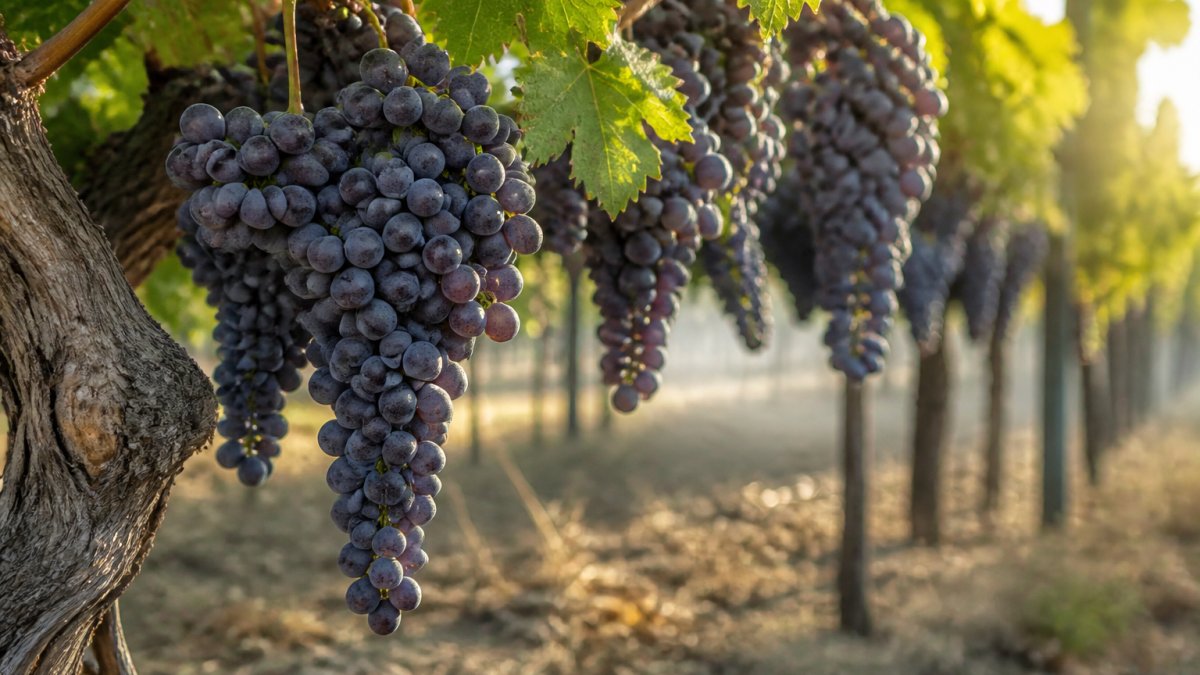
Yield improves as vines mature. First-year vines produce almost nothing. By year three, you're approaching 40 percent of mature yield. Full production typically arrives in years four to six, depending on variety and management. This delayed revenue is why break-even timelines matter so much.
Price per tonne varies by market positioning. Commodity grapes for bulk wine production trade at lower prices. Grapes marketed for premium wine or direct-to-consumer sales command significantly more. A native variety positioned as terroir-driven or culturally significant can achieve premium pricing, but only if buyer access exists.
Calculate your revenue conservatively. Use mature-year yield figures, not optimistic first-year projections. Apply realistic pricing based on comparable sales in your region, not hoped-for premiums. A common mistake is assuming premium positioning automatically justifies premium pricing without validating that buyers actually exist and will pay.
Calculating Vineyard Payback Period and Break-Even Timeline
Your payback period, how long until cumulative profits recover your initial investment, determines whether the investment makes financial sense for your timeline and risk tolerance.
Most native grape vineyards require seven to twelve years to break even, depending on establishment costs, yield, pricing, and operating efficiency. This is longer than many investors initially expect. The delayed payback reflects the biological reality of vine maturation combined with the upfront capital intensity of vineyard establishment.
To calculate payback, project annual cash flow across your planning horizon. Subtract annual operating costs (labour, maintenance, pest management, harvest) from annual revenue (yield multiplied by price per tonne). Add back depreciation for tax purposes. Cumulative cash flow turns positive when it recovers your initial capital outlay.
The timeline shifts based on several variables. A five-hectare vineyard reaches profitability faster than a one-hectare plot because fixed costs spread across more production. Premium pricing accelerates payback by increasing annual revenue without raising costs proportionally. Efficient operations reduce payback by lowering per-unit production costs.
Consider also the opportunity cost of your capital. If you invest £150,000 in a vineyard that breaks even in ten years, you've forgone other investments that might have returned capital faster. Understand what return you're actually targeting and whether the vineyard timeline aligns with your goals.
Understanding vineyard economics and financial planning
Wine Investment Risks: Market Demand, Climate, and Buyer Access
Vineyard investments carry risks that pure financial models often underestimate. Market demand can shift. Climate stress damages vines or reduces yield.
Market demand risk is real. A native variety that commands premium pricing today may face oversupply or shifting consumer preferences tomorrow. Native grape vineyards depend on positioning and cultural narrative. If that narrative loses appeal, pricing pressure follows.
Climate risk has intensified. Extreme weather, frost, hail, drought, unexpected heat, can devastate a vintage or damage vines permanently. Native varieties often show resilience in their home regions, but climate variability is increasing everywhere.
Buyer access risk often surprises investors. You can grow excellent grapes, but if your distribution channels don't connect you to buyers, you're stuck. This is why relationship-building with importers, retailers, and restaurants matters before you invest.
Regulatory risk also applies. Wine production and sales face evolving regulations around labelling, certification, and export. Native variety vineyards may benefit from protected designation of origin status in some regions, but that protection requires compliance and documentation.
Sustainable Practices in Portuguese Wine Production can reduce several of these risks by building resilience into your operation. Sustainable practices often improve soil health, water efficiency, and vine longevity, all of which reduce climate and operational risk over time.
Native Varieties Versus International Grapes: Regional Performance and Profitability
Native grape vineyards operate under different economics than international varieties like Cabernet Sauvignon or Chardonnay. The comparison matters because it shapes your actual ROI opportunity.
International varieties dominate global wine production. They're planted everywhere, understood by most winemakers, and trade in large commodity markets. This scale creates efficiency but also price pressure. Commodity pricing for international varieties is often lower than premium native variety positioning allows.
Native varieties concentrate in specific regions where they've developed cultural significance and terroir reputation. This geographic concentration creates scarcity and supports premium positioning. A Jampal wine from a specific region commands different pricing than a generic international variety from the same location.
The profitability comparison depends on your positioning strategy. If you're competing on commodity production, international varieties may offer better economics because established supply chains and buyer networks are mature.
Indigenous Portuguese Grape Varieties: Benefits Explained provides detailed analysis of native variety characteristics and regional performance. Understanding the specific advantages of your chosen native variety, and how those advantages translate to market positioning, is essential before committing capital.
Regional performance also matters. A native variety that thrives in one region may struggle in another. Soil, climate, water availability, and established buyer networks all vary by location.
Native Varieties Versus International Grapes: Regional Performance and Profitability
Native grape vineyards operate under different economics than international varieties like Cabernet Sauvignon or Chardonnay. The comparison matters because it shapes your actual ROI opportunity.
International varieties dominate global wine production. They're planted everywhere, understood by most winemakers, and traded in large commodity markets. This scale creates efficiency but also price pressure. Commodity pricing for international varieties is often lower than premium native variety positioning allows.
Native varieties concentrate in specific regions where they've developed cultural significance and terroir reputation. This geographic concentration creates scarcity and supports premium positioning. A Jampal wine from a specific region commands different pricing than a generic international variety from the same location.
The profitability comparison depends on your positioning strategy. If you're competing on commodity production, international varieties may offer better economics because established supply chains and buyer networks are mature. If you're competing on premium positioning and cultural narrative, native varieties often outperform because scarcity and regional identity support higher pricing.
| Factor | Native Varieties | International Varieties |
|---|---|---|
| Market positioning | Premium, terroir-driven | Commodity, volume-focused |
| Price per tonne | Higher when positioned correctly | Lower, commodity-based |
| Buyer access | Requires relationship-building | Established distribution networks |
| Production risk | Regional expertise available | Widely understood techniques |
| Break-even timeline | Often longer due to positioning costs | Faster with commodity pricing |
| Exit strategy | Premium wine sales, direct positioning | Bulk market, commodity sales |
Regional performance also matters. A native variety that thrives in one region may struggle in another. Soil, climate, water availability, and established buyer networks all vary by location.
Evaluating Your Native Grape Vineyard Investment Opportunity
Start with agronomic validation. Consult with regional viticulturists, visit established vineyards growing your chosen variety, and understand soil and climate conditions on your specific site.
Next, validate buyer access. Talk to importers, retailers, and restaurants about their interest in wines from your chosen variety and region. Understand pricing expectations and volume requirements.
Then, model your financials conservatively. Use realistic yield figures, proven pricing data, and documented operating costs from comparable operations. Build in contingency for unexpected expenses and delayed revenue.
Investing in Rare Portuguese Vintage Wines: 2026 Guide explores financial evaluation frameworks for wine investments. Those frameworks, net present value, cash flow analysis, risk-adjusted returns, apply equally to vineyard investment decisions.
Finally, understand your exit strategy. Are you planning to sell grapes to established winemakers, produce wine yourself, or build a direct-to-consumer brand? Each strategy carries different capital requirements, timelines, and profitability curves.
Native grape vineyard ROI depends on getting these fundamentals right: realistic cost assumptions, validated buyer demand, and clear understanding of regional performance characteristics.
Vineyard investment requires patience, capital, and genuine market access. If you're sourcing wines from established native grape vineyards rather than building one yourself, 79North Ltd connects independent retailers and restaurants with premium family-owned producers already operating at scale.
Frequently Asked Questions
How long does it take for a native grape vineyard to become profitable?
The time it takes for native grape vineyards to reach profitability varies significantly by location, establishment costs, and market access. The initial years focus on vine establishment with minimal yield, with commercial harvests beginning later. Break-even depends heavily on initial capital expenditure, operating costs, and grape prices. Investors should model cash flow conservatively and account for years of negative returns before revenue stabilises.
What are the main costs included in native grape vineyard investment?
Initial capital expenditure covers land preparation, vine stock, trellising systems, and irrigation infrastructure. Annual operating costs include pruning, pest management, labour, fuel, and equipment maintenance. Harvest costs vary by yield and market access. Establishment and operating costs vary significantly depending on region, vineyard infrastructure, yield, and market prices.
How does grape yield per acre affect vineyard ROI?
Yield directly determines revenue potential. Higher yields generally increase gross income but may compromise quality and market value. Yield is shaped by vine age, soil quality, climate, and management practices. Native varieties often yield less than international grapes but can command premium prices in specialist markets, potentially offsetting lower volume.
What are the biggest risks in native grape vineyard investments?
Key risks include climate variability affecting yield and fruit quality, market access and buyer demand for native varieties, pest and disease pressure, and long capital recovery periods. Vineyards lack liquidity; selling takes time. Price volatility for wine grapes and finished wine creates income uncertainty. Regulatory changes, labour availability, and land value fluctuations also impact returns. Risk-adjusted projections should model downside scenarios: reduced yields, lower prices, and delayed profitability to stress-test investment viability.
