
Source Premium Wines for UK Delis: A Buyer's Guide
Table of Contents
- Why Independent Importers Matter for Deli Wine Selection
- Wholesale Wine Suppliers for Small Delis UK
- How to Get an Alcohol Licence for a Deli UK
- Sourcing Fine Wines from Independent Growers
- Stocking Local English Wines in Delis
- Inventory Management and Profit Margin Optimisation
- Wine and Cheese Pairing for Retail Appeal
- Building a Reliable Supply Chain
Last Updated: August 6, 2026
Why Independent Importers Matter for Deli Wine Selection
Finding the right wine supplier is one of the biggest decisions a deli owner makes. Most delis rely on the same major distributors, meaning your shelves look identical to competitors within five miles. Real differentiation comes from working with independent importers who specialise in smaller European producers.
79North Ltd focuses on curated selections from family-owned wineries in Portugal and Italy that rarely make it onto UK retail shelves. These wines sell because they're genuinely distinctive, not because of massive marketing budgets or celebrity endorsements.
The business case is straightforward: customers expect something they can't find at Tesco or Sainsbury's. A carefully sourced portfolio of premium wines from independent growers gives you exactly that. You're competing on discovery and authenticity, where margins improve and customer loyalty builds.
Wholesale Wine Suppliers for Small Delis UK
Finding a wholesale wine supplier that works with small independent retailers is challenging. Many wholesalers have minimum order volumes unsuitable for delis stocking 40-60 wines, treating small accounts as administrative overhead.
What to Look for in a Wholesale Partner
The best wholesale partners understand that small retailers need flexibility on case orders without rigid purchasing commitments. They provide genuine representation, knowing their portfolio personally and helping you select wines for your customer profile.
Look for suppliers offering mixed case options. A true partner won't force you to buy six bottles of the same wine if you only want two. They should provide point-of-sale support: shelf talkers, tasting notes, and staff training. A deli assistant who can explain terroir and production style increases sell-through rates dramatically.
Reliability matters enormously. Check whether a supplier maintains consistent stock of core portfolio items and ask if they work directly with producers or through brokers. Direct relationships mean faster restocking and fewer surprises.
Pricing Models and Case Orders
Wholesale pricing typically works on tiered case discounts. For delis, mixed cases are essential, you don't want to commit to 12 bottles of an unfamiliar wine if unsure how customers will respond. A supplier offering 3-bottle or 6-bottle mixed cases lets you trial wines with lower risk.
Ask suppliers directly about pricing for small accounts. Some apply modest surcharges to single-case orders, which is fair given administrative costs. The conversation itself reveals whether a supplier values your business.
How to Get an Alcohol Licence for a Deli UK
Before stocking a single bottle, you need correct licences. The UK alcohol licensing system is strict, and selling without permission carries serious penalties.
Personal Licence Requirements
Every deli selling alcohol needs a Designated Premises Supervisor (DPS) who holds a Personal Licence. This individual is personally responsible for compliance with licensing conditions.
To obtain a Personal Licence, you must:
- Be at least 18 years old
- Pass the Level 1 Award in Responsible Alcohol Retail (or equivalent qualification)
- Apply to your local licensing authority with a criminal record check
The qualification typically takes one day to complete. Once you pass, your Personal Licence is valid indefinitely, though you'll need periodic criminal record check renewals.
Your local licensing authority will conduct the criminal record check. Certain convictions may result in refusal. If concerned about your history, contact them before investing in training.
Premises Licence and Trading Standards
Your deli building also needs a Premises Licence issued by your local authority. This specifies the hours you can sell alcohol, maximum stock quantity, and any attached conditions.
Applying requires submitting detailed plans showing premises layout, proposed trading hours, and your approach to responsible alcohol sales. You'll need to address four licensing objectives: preventing crime and disorder, public safety, preventing public nuisance, and protecting children from harm.
Your local Trading Standards team will review your application, checking for age verification procedures (typically challenge 25 policy), staff training records, and a refusal log for underage or intoxicated purchasers.
The application process takes 4-8 weeks on average. Fees typically range from £100 to £300 for a small deli. Once granted, your Premises Licence is valid for three years.
Sourcing Fine Wines from Independent Growers
The wines that build a deli's reputation come from independent growers, family operations focusing on quality over volume. Sourcing from them requires a different approach than ordering from mainstream wholesalers.
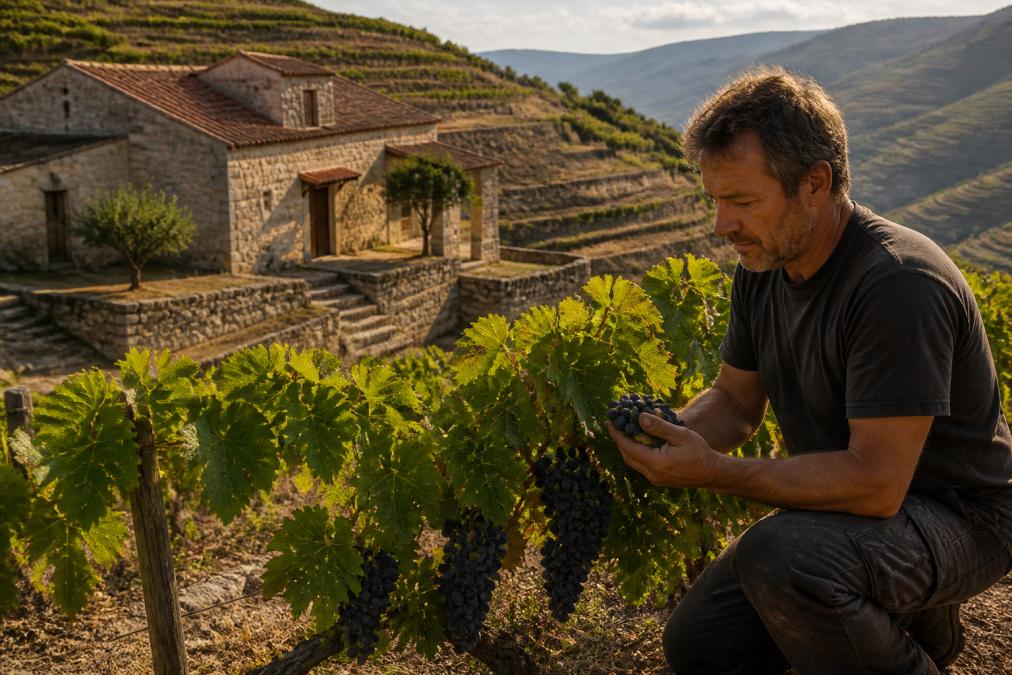
Independent growers typically have minimum order requirements of 6-12 bottles, but production runs are limited. Once sold, it's gone. An importer like 79North becomes invaluable, with established relationships across Portugal and Italy, understanding which producers deliver consistently and which experiment with exciting new varieties.
When sourcing directly from independent growers, discuss your business model openly. Producers want to know how you'll present their wine and whether you'll genuinely build a relationship. Small producers care about where their wine ends up because it reflects on their reputation.
Wines from independent growers often carry compelling stories. A natural wine from a small Douro Valley producer, made using techniques passed down through generations, has narrative weight that mass-produced wine doesn't. Your customers will pay a premium for that story, and your margins will reflect it.
Stocking Local English Wines in Delis
English wine production has transformed dramatically over the past decade. Cool-climate conditions now produce exceptional sparkling wines and still whites that compete globally. For a deli, stocking local English wines supports UK producers, provides a unique selling point, and appeals to customers' interest in provenance.
English sparkling wines from chalk-soil regions in Sussex and Kent have earned international recognition. Most English wine producers are small operations making 5,000 to 50,000 bottles annually, creating genuine interest through scarcity.
Approach English wine sourcing the same way as European imports: build relationships directly with producers or work through importers representing them. Many English producers work with independent retailers on flexible terms.
The challenge with English wines is consistency. A small producer might make an exceptional vintage one year and struggle with frost damage the next. Your customers will appreciate the authenticity of that variability, the opposite of industrial consistency.
Inventory Management and Profit Margin Optimisation
The difference between a profitable wine section and one that ties up cash is inventory management. A bottle sitting on your shelf for six months is capital that could work elsewhere.
Track which wines sell within two weeks, which take a month, and which sit longer. Fast movers are your profit drivers, reorder confidently and expand. Slow movers need honest assessment: are they genuinely unappealing, or do they need better staff training and point-of-sale support?
Profit margins on wine vary considerably. Premium imported wines from independent producers typically offer 35-50% gross margin, while commodity wines might only deliver 20-25%. This is why sourcing matters. A carefully selected portfolio generates significantly better margins than competing on price.
Implement a simple system tracking wine inventory: quantity on hand, order date, and expected sell-through. This prevents over-ordering wines you love but customers don't.
Consider seasonal patterns. Wine sales spike around Christmas, Easter, and summer entertaining season. Plan inventory to peak just before these periods, building stock gradually in October to avoid December shortages and January excess.
Wine and Cheese Pairing for Retail Appeal
The most successful delis position wine and cheese as complementary categories. A customer buying artisan cheese is a natural prospect for wine. Creating visible pairings increases both categories' sales.
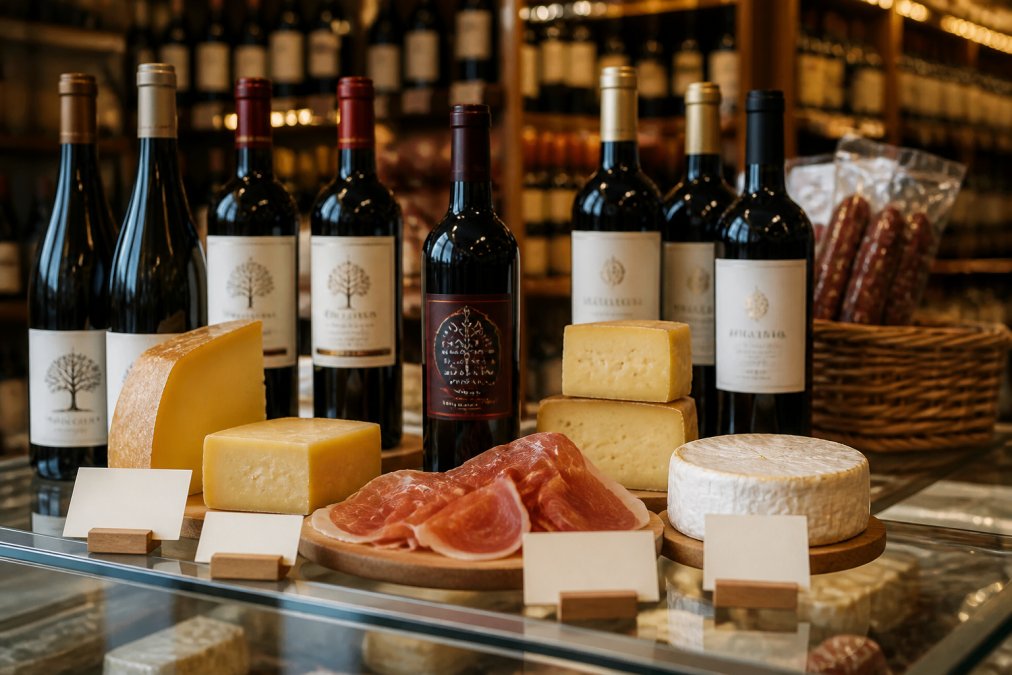
Start with obvious pairings your staff can confidently recommend. A crisp Portuguese white pairs beautifully with fresh goat's cheese. A fuller-bodied Italian red complements aged cheddar.
Create simple pairing cards for each combination. A few lines explaining why the pairing works is sufficient. "This Douro white's bright acidity cuts through the richness of aged Manchego cheese" gives customers confidence to try something new.
Train your team on three or four pairings you can confidently recommend. Deep knowledge of a few pairings is more valuable than surface-level knowledge of many. When staff explain a pairing with genuine enthusiasm, customers notice and trust that recommendation.
Position wines and cheeses near each other physically. A small dedicated section with wines and cheeses displayed together, with tasting cards visible, makes the pairing obvious and increases combined purchases.
Building a Reliable Supply Chain
A reliable supply chain is the foundation of a successful wine business. You can have the best product, but if you can't consistently get it to your shelf, customers will shop elsewhere.
Diversify your supplier base. Relying on a single wholesale partner is risky. Build relationships with at least two primary suppliers, perhaps one for mainstream European wines and another for specialist imports.
Communicate regularly with suppliers about what's selling. Good suppliers want this feedback to manage inventory and recommend products for your customer base. If you're consistently selling out, tell them immediately so they can prioritise restocking.
Establish clear ordering processes and lead times. Know how long it takes from order to delivery for each supplier. Plan accordingly, accounting for seasonal demand spikes.
Build relationships with individual producers when possible. Email them occasionally with feedback on sales. Producers appreciate direct connection and are more likely to prioritise your orders if you've built a genuine relationship.
Building a premium wine section requires patience, genuine interest in the product, and willingness to work with suppliers who share your commitment to quality. The wines that differentiate your deli aren't found through traditional wholesale channels, they're discovered through relationships with independent importers and producers who understand what makes wine genuinely distinctive. 79North Ltd specialises in connecting independent UK retailers and restaurants with family-owned producers from Portugal and Italy whose wines would otherwise remain undiscovered. If you're ready to stock wines that your customers can't find elsewhere, that conversation is worth having.
Frequently Asked Questions
Do I need a personal licence to sell alcohol in my deli?
Yes. Under the Licensing Act 2003, at least one person on the premises must hold a Personal Licence when selling alcohol. The licence holder is responsible for compliance with licensing law. You can apply for a Personal Licence through your local authority. The application costs £37 and typically takes 4-6 weeks. You'll also need a Premises Licence specific to your deli, which involves a separate application process and public consultation.
How do I source premium wines from independent importers rather than major distributors?
Contact specialist wine importers who work directly with small, family-owned producers from Portugal and Italy. These importers typically supply via trade accounts with minimum case orders (usually 6-12 bottles per selection). Ask for references from other independent retailers or restaurants stocking their wines. Independent importers often provide tasting notes, producer information, and support for staff training, value that major distributors rarely offer to small retailers.
What's the difference between stocking imported wines and local English wines?
Imported premium wines from established regions like Douro (Portugal) and Tuscany (Italy) offer recognised terroir and established quality standards, making them easier to sell to customers seeking authentic European wines. Local English wines appeal to customers interested in British producers and sustainability stories, and help differentiate your deli from competitors. Many successful delis stock both: imported fine wines as anchors and English wines as a curated, distinctive complement.
How can I improve profit margins on wine sales in a small deli?
Focus on wholesale suppliers offering case pricing that allows 35-50% gross margin (standard for independent retailers). Build a curated selection rather than high volume, customers pay premium prices for distinctive wines unavailable elsewhere. Train staff to hand-sell wines with food pairing recommendations, which increases basket size. Use bonded warehouse storage if cash flow is tight, and negotiate flexible payment terms with importers who understand small retail operations.
This article was written using GrandRanker