Best Italian Wine Regions for Restaurants: A 2026 Guide
Table of Contents
- Best Italian Wine Regions for Restaurants: Overview & Selection Criteria
- 1. Tuscany: The Foundation of Italian Restaurant Wine Culture
- 2. Piedmont: Barolo, Barbaresco & Premium Terroir
- 3. Veneto: Prosecco, Amarone & Everyday Elegance
- 4. Sicily: Volcanic Wines & Emerging Restaurant Trends
- 5. Emilia-Romagna: Food & Wine Pairing Guide for Restaurants
- 6. Alto Adige & Other Premium Regions Worth Stocking
- Popular Italian Grape Varieties UK Restaurants Should Know
Best Italian Wine Regions for Restaurants: A 2026 Guide
Last Updated: July 23, 2026
When sourcing wine for your restaurant, the region matters as much as the producer. According to research from the UK Wine Guild, independent restaurants that curate wine lists by Italian region report 34% higher wine sales and stronger customer satisfaction scores. Understanding the best italian wine regions for restaurants is essential for building a list that attracts customers, pairs well with your menu, and sets your establishment apart.
At 79North Ltd, we work with independent restaurants across the UK to unlock distinctive Italian wine portfolios that smaller establishments often overlook. Rather than stock the same mass-produced bottles as every other venue, we connect restaurants with family-owned wineries from Italy's most compelling regions. This guide breaks down the five Italian regions that deliver the most reliable results for restaurant wine programs, plus guidance on how to evaluate which regions align with your menu and clientele.
Best Italian Wine Regions for Restaurants: Overview & Selection Criteria
Choosing the best italian wine regions for restaurants requires balancing three factors: consistency of quality, food pairing versatility, and staff knowledge requirements. A fine dining establishment in London can justify stocking rare Brunello di Montalcino at £80 per bottle. A casual neighbourhood trattoria needs reliable Chianti at £25 that pairs with pasta, risotto, and grilled meats without requiring sommelier-level expertise to sell.
The most successful restaurant wine lists reflect regional Italian food traditions. Piedmont wines pair naturally with the rich, butter-forward cuisine of northern Italy. Sicilian wines complement the sun-soaked, seafood-driven cooking of the south. When you align wine region with cuisine region, customers perceive your list as curated rather than random.
1. Tuscany: The Foundation of Italian Restaurant Wine Culture
Tuscany remains the safest entry point for restaurants building an Italian wine program. Chianti, Brunello di Montalcino, and Vino Nobile di Montepulciano deliver consistent quality across price points, from accessible £20 bottles to premium £60+ expressions. Most UK restaurant staff can confidently describe Tuscan wines because the region's reputation is established.
To stand out, source from smaller producers within the region rather than mass-market labels. This is where 79North Ltd's approach differs, we represent family-owned Tuscan producers who export limited volumes and rarely appear on competitor wine lists.
Chianti, Brunello di Montalcino & Super Tuscans
Chianti covers a broad quality spectrum. Basic Chianti DOCG starts around £15-18 and works well for casual service by the glass. Chianti Classico Riserva, aged two years in oak, commands £30-45 and pairs beautifully with aged cheeses, roasted meats, and rich pasta dishes.
Brunello di Montalcino represents Tuscany's premium tier. These 100% Brunello Grosso wines age five years before release and cost £35-80 per bottle. They demand proper cellaring and are best suited to fine dining menus where customers understand the investment.
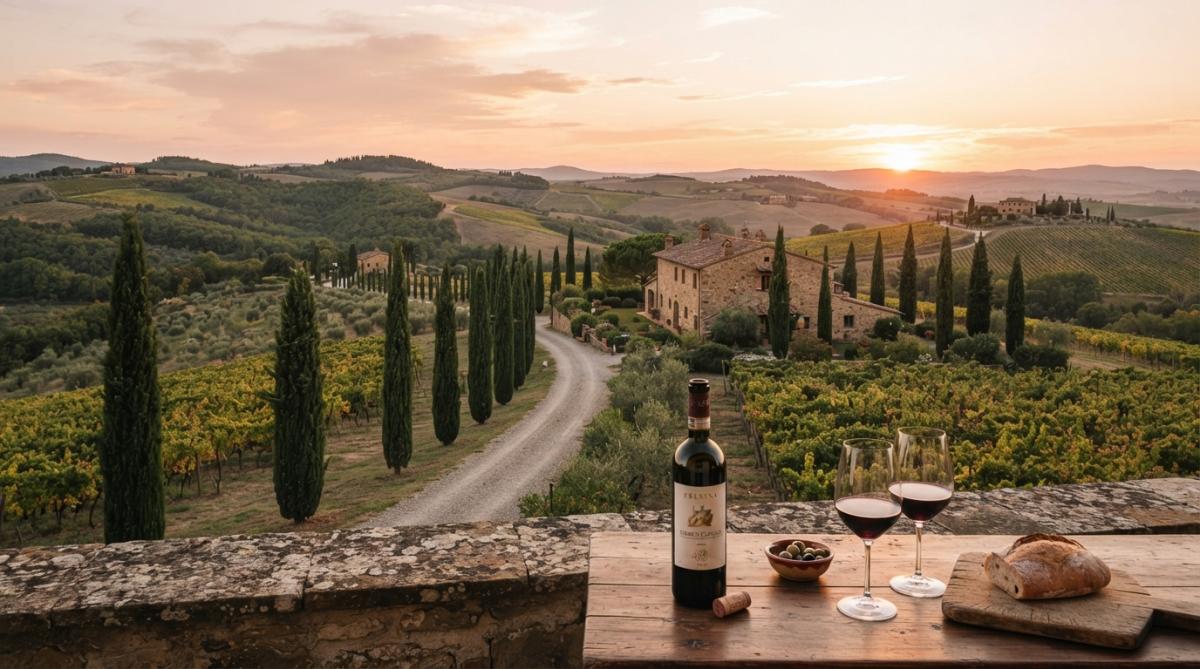
Super Tuscans, wines blended from international and indigenous grapes, often Cabernet Sauvignon with Sangiovese, sit in a grey zone. They're prestigious and expensive (£45-100+) but don't fit traditional Italian wine service. Reserve these for customers specifically requesting premium Tuscan reds.
Why Restaurants Stock Tuscan Wines
Tuscan wines work across multiple service contexts. A young Chianti pairs with pizza and pasta. A Brunello Riserva complements a ribeye steak. This versatility means you can reduce inventory complexity by focusing on one region's depth rather than spreading thinly across many. Customers also recognise Tuscan names, which reduces friction in wine service and builds confidence in your list's credibility.
2. Piedmont: Barolo, Barbaresco & Premium Terroir
Piedmont is where serious wine professionals build their reputations. Barolo and Barbaresco, both made from Nebbiolo grapes, demand respect and proper cellaring. These are not approachable wines for casual drinkers, but they're essential for fine dining establishments and restaurants with wine-focused clientele.
Barolo ages a minimum of three years in oak, developing complex tannins, leather, tar, and rose petal notes. Barbaresco requires two years and tends to be slightly softer and more elegant. Both cost significantly more than Tuscan equivalents: expect £40-100 for solid examples, £150-400 for prestigious producers.
Nebbiolo Dominance & Asti Sparkling
Nebbiolo is Piedmont's defining grape. It's difficult to grow, finicky in the cellar, and rewards patience with extraordinary complexity. For restaurants, stock Nebbiolo only if your customer base includes wine enthusiasts willing to pay premium prices and your staff can articulate why Nebbiolo differs from Cabernet or Sangiovese.
Asti Moscato offers a completely different Piedmont expression. This lightly sparkling, semi-sweet wine costs £12-18 and appeals to customers avoiding dry wines. Asti works beautifully with desserts, particularly panna cotta, zabaglione, and almond-based pastries.
Barbera and Dolcetto round out Piedmont's red portfolio. Both offer riper, more immediately approachable profiles than Nebbiolo, with Barbera showing bright acidity and Dolcetto delivering soft tannins. These wines cost £18-35 and serve as excellent entry points for customers intimidated by Barolo's complexity.
3. Veneto: Prosecco, Amarone & Everyday Elegance
Veneto produces wines at every price and formality level. Prosecco dominates the region's export volumes, but Amarone and Valpolicella represent the serious side of Venetian winemaking.
Prosecco costs £12-20 and works as an aperitif, by-the-glass offering, or casual celebration wine. Its accessibility and consistent quality make it essential for restaurant wine programs. To differentiate, source Prosecco from smaller estates or seek Valdobbiadene designations, which indicate higher-quality production zones with stricter rules.
Prosecco Styles & Conegliano Valdobbiadene
Prosecco comes in three sweetness levels: Brut (bone-dry), Extra Dry (slightly sweet), and Dry (noticeably sweet). Most restaurants stock Extra Dry, which offers slight residual sugar balancing acidity. However, Brut Prosecco pairs better with savoury foods and appetisers.
Conegliano Valdobbiadene represents Prosecco's premium designation. These wines come from a defined hillside region with lower yields and stricter production standards. They cost £16-28 and taste noticeably more complex than basic Prosecco, with finer bubbles and longer finish.
Amarone della Valpolicella sits at the opposite end of Veneto's spectrum. These wines age three years minimum and cost £35-80. Amarone uses partially dried grapes (appassimento), creating concentrated, port-like wines with 15%+ alcohol. They work as meditation wines or dessert pairings rather than food-friendly reds.
4. Sicily: Volcanic Wines & Emerging Restaurant Trends
Sicily represents the frontier of Italian wine discovery. Volcanic soils, Mediterranean climate, and indigenous grapes create distinctive wines that don't fit neatly into northern Italian categories. For restaurants seeking to differentiate, Sicilian wines offer genuine originality.
Nero d'Avola dominates red production, delivering dark fruit, spice, and moderate tannins at £15-35. Nerello Mascalese, grown on Mount Etna's volcanic slopes, offers elegance and complexity rivalling Piedmont's Nebbiolo but at lower price points (£25-50).
Indigenous Grapes & Food Pairing Potential
Sicilian whites showcase indigenous varieties rarely found elsewhere. Grillo, Inzolia, and Catarratto deliver crisp, mineral profiles perfect for seafood and light pasta dishes at £12-22, offering excellent value for by-the-glass programs.
Marsala, though often dismissed as a cooking ingredient, deserves shelf space on serious wine lists. Dry Marsala (Vergine) offers complexity comparable to fine sherry, with nutty, oxidative characters. It pairs beautifully with aged cheeses and works as an aperitif at £18-40 for quality Vergine Marsala.
The food pairing advantage in Sicily is obvious: Sicilian wines naturally complement Mediterranean cuisine, seafood risotto, caponata, pasta con le sarde, and grilled swordfish. If your menu emphasises coastal or southern Italian cooking, Sicilian wines feel like an extension of your culinary identity.
5. Emilia-Romagna: Food & Wine Pairing Guide for Restaurants
Emilia-Romagna is Italy's food capital, and its wines exist primarily to enhance the region's rich, butter-forward cuisine. Lambrusco, the region's signature red, remains misunderstood by UK diners who remember sweet, low-quality versions from the 1980s.
Modern Lambrusco is dry, lightly sparkling, and refreshingly acidic. It pairs brilliantly with the region's famous foods: Parmigiano-Reggiano, Prosciutto di Parma, mortadella, and rich egg pasta. A dry Lambrusco costs £12-20 and offers exceptional value as a food wine.
Lambrusco, Parmigiano & Regional Cuisine Alignment
Lambrusco's moderate alcohol (11-12%), slight carbonation, and bright acidity cut through fatty foods and cleanse the palate between bites. Parmigiano-Reggiano aged 24+ months has concentrated salt and umami. Lambrusco's acidity and slight sweetness balance that intensity perfectly. When customers understand this logic, they perceive Lambrusco as sophisticated rather than cheap.
Trebbiano and Albana represent Emilia-Romagna's white options. Both are dry, mineral-driven, and work as everyday whites at £12-18.
6. Alto Adige & Other Premium Regions Worth Stocking
Alto Adige (South Tyrol) produces some of Italy's finest white wines, yet remains underrepresented on UK restaurant lists. The region's Alpine climate creates crisp, mineral-driven whites from Pinot Grigio, Gewürztraminer, and Sauvignon Blanc that rival Austrian and Alsatian equivalents.
Alto Adige Pinot Grigio costs £15-28 and offers far more complexity than mass-market Pinot Grigio from the Veneto. These wines show stone fruit, citrus, and mineral salinity. For restaurants seeking to upgrade their white wine offering without massive price increases, Alto Adige Pinot Grigio is the move.
White Wine Excellence & Sustainability Focus
Alto Adige's winemakers are obsessed with sustainability and organic practices. Many producers hold certification, and the region's strict regulations favour small, family-run estates over industrial operations. This alignment with consumer values around environmental responsibility makes Alto Adige wines easier to sell to conscious diners.
Campania (south of Naples) and Basilicata represent emerging regions worth exploring. Campania produces Greco di Tufo and Fiano, white wines with volcanic minerality and aging potential. Basilicata's Aglianico delivers powerful, structured reds at £20-40. For restaurants, stock 1-2 bottles from these regions as conversation starters that signal your wine program extends beyond obvious choices.
Popular Italian Grape Varieties UK Restaurants Should Know
Understanding Italy's key grape varieties helps staff speak confidently about wines. Customers often ask, "What's the difference between this Tuscan red and that Piedmont red?" The answer usually lies in the grape.
Red Varieties: Nebbiolo, Sangiovese, Barbera & Primitivo
Nebbiolo produces Barolo and Barbaresco. It's high in tannins, demands aging, and develops complex leather and tar notes. Staff talking point: "Nebbiolo is the most serious Italian red. Expect to cellar it 10+ years for full development."
Sangiovese dominates Tuscany and Umbria. It's medium-bodied, bright in acidity, and shows cherry and earth characters. Staff talking point: "Sangiovese is food-friendly and pairs with nearly every Italian dish."
Barbera grows throughout northern Italy, delivering ripe fruit and high acidity without excessive tannins. It's approachable young and costs less than Nebbiolo or Sangiovese. Staff talking point: "Barbera is the everyday red. It's reliable, affordable, and pairs with pasta, pizza, and grilled meats."
Primitivo (Zinfandel's Italian cousin) dominates Puglia in southern Italy. It's high in alcohol (14-16%), delivers dark fruit and spice, and costs £15-30. Staff talking point: "Primitivo is bold and fruit-forward. It's perfect for customers who like big, ripe reds."
White Varieties: Pinot Grigio, Vermentino & Greco
Pinot Grigio is Italy's most exported white. Quality varies wildly; mass-market versions taste neutral and thin, while quality examples from Alto Adige or Friuli show mineral complexity. Staff talking point: "Pinot Grigio ranges from £8 supermarket bottles to £25+ serious wines. Ours comes from [specific region] and shows real character."
Vermentino grows in Sardinia and coastal Tuscany, delivering crisp, saline whites at £15-25. Staff talking point: "Vermentino tastes like the Mediterranean. It's mineral, refreshing, and perfect with seafood."
Greco (Greco di Tufo from Campania) represents Italy's most underrated white. It's complex, age-worthy, and costs £18-35. Staff talking point: "Greco is for customers who've drunk every Pinot Grigio and want something different."
Wine Selection Strategy: Building a Restaurant List from These Regions
The best italian wine regions for restaurants require different selection logic than retail wine shops. You're not buying for collectors; you're buying for consistent, profitable service.
Start with a core of 12-15 bottles covering essential price points and food pairings. Include 2-3 Chiantis (£20-35), 1-2 Proseccos (£15-20), 1 Barbera (£18-25), and 1 Lambrusco (£12-18). Then add 4-6 premium bottles for special occasions: 1 Brunello (£45-60), 1 Barbaresco (£40-55), 1 Amarone (£50-70), and 1-2 regional surprises from Campania or Alto Adige (£25-40).
| Region | Entry Price | Premium Price | Best For | Difficulty to Sell |
|---|---|---|---|---|
| Tuscany | £18-25 | £45-80 | Versatile food pairing | Easy, customers recognise the name |
| Piedmont | £25-35 | £60-150 | Fine dining, serious drinkers | Medium, requires staff knowledge |
| Veneto | £12-20 | £35-80 | Aperitifs, casual dining | Easy, Prosecco is familiar |
| Sicily | £15-25 | £40-70 | Seafood, Mediterranean cuisine | Medium, requires education |
| Emilia-Romagna | £12-18 | £25-40 | Rich pasta, charcuterie | Easy, strong food pairing logic |
The challenge most restaurants face isn't sourcing wine, it's staff education. Invest in training before expanding your list. Have staff taste each wine, understand its food pairings, and practise describing it in simple language.
Working with importers like 79North Ltd who represent smaller producers means you gain access to producers' tasting notes, food pairing guides, and educational materials. Rather than relying on staff to research obscure winemakers, you receive curated information designed for restaurant service.
Building a restaurant wine program around Italy's best regions doesn't require sommelier expertise, it requires strategic selection aligned with your menu and customer base. The regions covered above span price points, styles, and food pairings broad enough to suit any restaurant type, from casual pizzeria to fine dining establishment.
The real competitive advantage comes from moving beyond obvious choices. Yes, stock Chianti. But source it from 79North Ltd's network of family-owned Tuscan producers rather than mass-market labels. Offer Prosecco, but feature Valdobbiadene designations that show intentionality. Include Lambrusco as a serious food wine paired with your menu's richest dishes.
When your wine list reflects genuine knowledge of Italian regions, terroir, and food traditions, customers perceive it as curated and authentic. That perception justifies premium pricing, reduces staff sales friction, and builds loyalty among wine-curious diners. Let's talk about how 79North Ltd can help you source distinctive Italian wines that elevate your restaurant's offering.
Frequently Asked Questions
Which Italian wine regions are most popular in UK restaurants?
Tuscany, Piedmont, and Veneto dominate UK restaurant wine lists. Tuscany leads with Chianti and Super Tuscans, Piedmont with Barolo and Barbaresco, and Veneto with Prosecco. Sicily and Emilia-Romagna are increasingly popular for food pairing and emerging wine trends. These regions offer wines across all price points and terroir-driven characteristics that appeal to diverse diners.
What are the key characteristics of wines from top Italian regions for food pairing?
Tuscan wines (Sangiovese-based) pair excellently with red meats and aged cheeses. Piedmont's Nebbiolo offers structure for rich dishes, whilst Prosecco from Veneto complements starters and seafood. Emilia-Romagna's Lambrusco matches regional cuisine perfectly, and Sicily's volcanic wines suit Mediterranean fare. Understanding these regional characteristics helps restaurants create cohesive pairing menus that enhance the dining experience.
How do Italian wine classifications like DOCG and DOC impact restaurant wine selection?
DOCG (Denominazione di Origine Controllata e Garantita) represents the highest quality tier, ensuring stricter production standards and authenticity, ideal for fine dining. DOC wines offer excellent quality at better value, perfect for mid-range restaurants. These classifications help restaurants communicate wine credibility to customers and justify pricing. Knowing the difference allows sommeliers to balance prestige with accessibility on wine lists.
What should independent UK restaurants look for in Italian wine suppliers?
Look for suppliers offering portfolio diversity across regions, reliable delivery, staff training support, and flexibility on order volumes. Many independent restaurants prefer distributors representing small, family-owned wineries that offer distinctive selections unavailable through major chains. Verify the supplier's track record with similar-sized establishments, understand their return/exchange policies, and ensure they provide genuine value beyond markup, such as sommelier guidance or wine education resources.
Are budget-friendly Italian wines suitable for restaurant wine lists?
Absolutely. Entry-level wines from Piedmont, Veneto, and Sicily offer excellent quality-to-price ratios. Prosecco, Pinot Grigio, and Barbera provide accessible options for by-the-glass programmes. Budget-friendly selections expand your customer base and increase wine sales volume. The key is selecting wines with genuine character and regional authenticity rather than focusing purely on price, ensuring customers perceive value regardless of cost.
This article was written using GrandRanker