
Importing Small-Batch Wine for Restaurants: Step-by-Step
Table of Contents
- Sourcing Small-Batch and Craft Wines from Reliable Producers
- Understanding AWRS Registration for Wine Importers
- Navigating Excise Duty on Wine Imports and Customs Declarations
- VI-1 Document Requirements and Import Documentation
- Direct-to-Restaurant Logistics for Small Volumes
- Profit Margin Modelling for Small Importers
- Building Relationships with Restaurant Buyers and Developing Your Sales Strategy
- Conclusion
Last Updated: August 15, 2026
Sourcing Small-Batch and Craft Wines from Reliable Producers
Finding the right small-batch wine producers is the foundation of importing small-batch wine for restaurants. Unlike mass-market distributors, sourcing craft wines requires direct relationships with family-owned wineries that prioritise quality over volume.
Start by identifying producers whose philosophy aligns with your restaurant's values. Small-batch producers typically focus on native grape varieties, terroir expression, and sustainable practices. Many operate at volumes under 50,000 bottles annually, making them invisible to mainstream importers but ideal for independent establishments seeking distinctive portfolios.

The key is building trust before committing to inventory. Request samples from producers or their existing importers. Evaluate not just taste, but consistency, can they reliably deliver the same quality across vintages? Ask about production methods, yields, and their experience exporting to the UK market. Many small producers have never navigated UK customs or excise duty structures, so this becomes your responsibility as the importer.
Look for producers with established track records in their home markets. Wineries that have been operating for 15+ years typically have better supply chain stability than newer ventures. However, don't dismiss innovative younger producers, many are experimenting with native varieties that restaurants are actively seeking. The balance between proven reliability and exciting discovery is what makes small-batch importing rewarding.
At 79North Ltd, we've spent years vetting Portuguese and Italian producers to ensure our partners receive wines that perform consistently. Producers like Casal do Conde and Casa Américo represent the calibre of reliability and quality you need in your supply chain.
Understanding AWRS Registration for Wine Importers
AWRS registration for wine importers is mandatory before you can legally import or supply alcohol in the UK. AWRS stands for Alcohol Wholesale Registration Scheme, and it's administered by HMRC (Her Majesty's Revenue and Customs). Without it, you cannot import or distribute wine, regardless of volume.
Registration is free and typically takes 5-10 working days once you submit your application. You'll need to provide business details, premises information, and confirmation that you meet the regulatory requirements. The process is straightforward for legitimate businesses but non-negotiable, attempting to import without AWRS registration exposes you to significant penalties.
Complete your AWRS application online through the HMRC portal. You'll need:
- Your business registration number or partnership details
- Premises address where alcohol will be stored or handled
- Confirmation that you're not disqualified from holding an alcohol licence
- Details of any previous alcohol licensing history
Once approved, your AWRS registration is valid indefinitely, but you must notify HMRC of any changes to your business structure, premises, or key personnel. Failure to update your registration can result in suspension.
Many small importers overlook the administrative side of AWRS registration for wine importers, treating it as a box-ticking exercise. In reality, it's your legal foundation. Restaurants and retailers won't work with suppliers who lack proper registration, it exposes them to liability if anything goes wrong.
Navigating Excise Duty on Wine Imports and Customs Declarations
Excise duty on wine imports is one of the largest costs you'll face as an importer. Understanding how it's calculated and when it's due is essential to building accurate profit margin models.
The current excise duty on still wine is £2.67 per litre for wines over 5.5% ABV, applied at the point of import. This is separate from VAT (20%) and any customs duties that may apply depending on the origin country. For a typical 750ml bottle of Portuguese or Italian wine, excise duty alone adds approximately £2.00 per bottle before VAT is calculated on top.
Customs declarations are required for all wine imports, regardless of volume. You'll file these through HMRC using the Customs Handling of Import and Export Freight (CHIEF) system or through a customs broker. The declaration must include:
- Product description and HS code (2204 for wine)
- Quantity and value of goods
- Origin country and producer details
- VI-1 document reference (covered in the next section)
Many importers use customs brokers to handle declarations, which adds 50-150 pounds per shipment depending on complexity. For small-batch imports, this cost per unit is significant, so consolidating shipments where possible reduces per-bottle overhead.
The timing of excise duty payment affects cash flow. Duty becomes payable when goods are released from customs, typically within days of arrival. Budget for this carefully, a shipment of 500 bottles incurs approximately £1,000 in excise duty alone, due before you've sold a single bottle.
VI-1 Document Requirements and Import Documentation
VI-1 document requirements are a specific regulatory requirement for wine imports into the UK. The VI-1 is a certificate of origin issued by the wine's producing country, confirming the wine's authenticity, origin, and compliance with EU production standards (which the UK has retained post-Brexit).
Every shipment of wine imported into the UK requires a VI-1 form. Without it, customs will not release your goods. The VI-1 must be issued by the producer or their authorised representative in the origin country and must accompany the physical shipment.
Obtaining VI-1 documents requires coordination with your producer. Request that they provide VI-1 forms for each shipment well in advance of shipping. The process typically takes 5-10 working days in the producing country. Delays here directly delay your import timeline, so build in buffer time.
The VI-1 includes:
- Producer name and registration number
- Wine description (grape variety, vintage, region)
- Quantity and bottle size
- Alcohol content and residual sugar
- Certification that the wine meets UK/EU production standards
Keep copies of all VI-1 documents for your records. HMRC may request them during inspections, and they're essential for resolving any customs disputes. Many small importers underestimate how critical this documentation is, it's the legal proof that your wine is legitimate and compliant.
When working with producers unfamiliar with UK imports, expect to guide them through the VI-1 process. Some smaller producers have never exported to the UK and may not understand the requirement. Building this into your sourcing conversations prevents last-minute delays.
Direct-to-Restaurant Logistics for Small Volumes
Direct-to-restaurant logistics is where small-batch importing differs fundamentally from working with traditional distributors. You're managing individual relationships, smaller order quantities, and often more frequent deliveries than bulk distributors require.
Establish a clear ordering and delivery schedule with each restaurant partner. Many restaurants prefer weekly or fortnightly deliveries of smaller quantities rather than monthly bulk orders. This reduces their storage costs and ensures fresher stock rotation. However, it increases your logistics complexity and per-delivery cost.
For small volumes (under 100 cases per month), consider using a bonded warehouse to store inventory between orders. A bonded warehouse holds alcohol under customs control, deferring VAT and excise duty payments until goods are released for sale. This improves cash flow significantly. Bonded warehouse fees typically run £50-150 per month for small importers, but the VAT deferral often justifies the cost.
When delivering directly to restaurants, coordinate with their management to ensure someone is available to receive stock and verify the order. Damaged bottles or incorrect shipments need to be resolved immediately. Many restaurants have limited storage space, so punctuality and accuracy are non-negotiable.
Build relationships with logistics providers who understand wine handling. Standard parcel couriers often mishandle wine, resulting in damaged stock. Specialist wine logistics providers charge more but protect your margins by reducing breakage and ensuring temperature-controlled transport. For shipments under 50 cases, a specialist courier typically costs £30-80 depending on distance.
Profit Margin Modelling for Small Importers
Profit margin modelling for small importers requires accounting for costs that larger distributors absorb across thousands of units. Your margins will be tighter than traditional wholesale, but your pricing flexibility and direct relationships often compensate.
Build your margin model around these cost layers:
Per-bottle costs:
- Wholesale price from producer: £5-15 (varies dramatically by wine and producer)
- Excise duty: £2.00 (fixed at £2.67 per litre for still wine)
- VAT on import value: typically 20% of (producer price + duty)
- Customs broker fees (amortised): £0.10-0.30 per bottle
- Logistics from producer to UK: £0.50-1.50 per bottle depending on shipment size
- Bonded warehouse storage (if used): £0.05-0.15 per bottle per month
Per-order costs:
- Customs declaration: £50-150 per shipment
- VI-1 document coordination: typically absorbed in producer relationship
- UK logistics to restaurant: £0.50-2.00 per bottle depending on distance
A typical small-batch wine retailing at £25-35 in a restaurant might cost you £12-18 all-in, leaving a 40-50% gross margin before your operating costs (staff, office, samples, relationship management).
However, lower-priced wines (£15-20 retail) face tighter margins because excise duty and fixed costs represent a larger percentage of the retail price. A wine retailing at £18 might cost you £10-11 all-in, leaving only 40-45% gross margin. This is why many small importers focus on premium or distinctive wines rather than competing on volume at lower price points.
Track your actual costs meticulously. Many first-time importers underestimate logistics and customs costs, discovering too late that their margins are unsustainable. Spreadsheet your first 5-10 shipments to identify where your actual costs diverge from projections.
Building Relationships with Restaurant Buyers and Developing Your Sales Strategy
Building relationships with restaurant buyers is fundamentally different from selling through traditional distribution channels. You're not competing on price or convenience, you're competing on discovery, authenticity, and partnership.
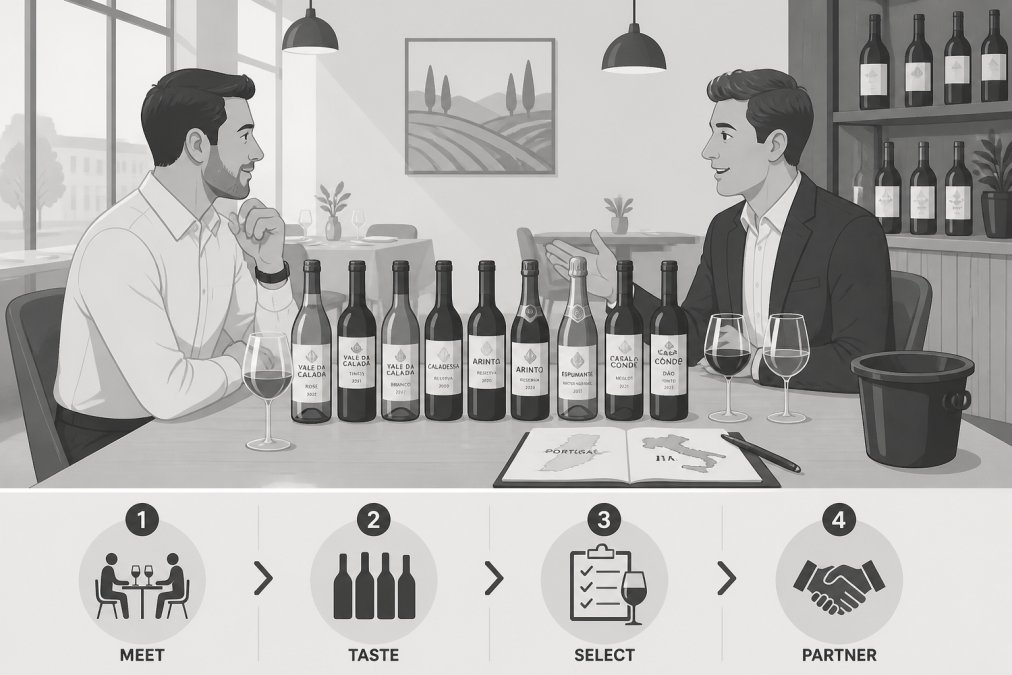
Start by identifying independent restaurants whose wine philosophy aligns with your portfolio. Look for establishments that feature small producers on their wine list, prioritise regional authenticity, or actively change their wine selection seasonally. These restaurants are actively seeking what you offer.
Approach restaurant buyers with samples, not sales pitches. Send 2-3 bottles from your portfolio with a brief note explaining the producer's story, the grape variety, and why you think it fits their list. Give them space to evaluate without pressure. Many restaurant owners and sommeliers are inundated with sales calls, a thoughtful sample approach stands out.
When you do connect, listen more than you talk. Ask about their current wine list, their customer preferences, and what gaps they're trying to fill. A restaurant struggling to find distinctive white wines at £20-25 retail has a very different need than one seeking premium reds. Tailoring your recommendations to their specific gaps builds credibility and increases the likelihood of a commitment.
Develop a clear value proposition beyond just "unique wines." What makes working with you easier than sourcing directly from producers? You handle VI-1 documentation, customs clearance, logistics coordination, and consistent supply. You provide tasting notes, producer stories, and staff training. You manage inventory relationships, allowing restaurants to order smaller quantities without minimum order commitments. These operational benefits justify your margin.
Digital marketing for B2B wine sales is often overlooked by small importers, but it's increasingly important. Create a simple website showcasing your producers, with producer profiles and tasting notes. Use LinkedIn to connect with restaurant owners and wine buyers in your target market. Share producer stories, vintage notes, and behind-the-scenes content from your sourcing trips. This builds authority and makes you discoverable to restaurants actively seeking small-batch imports.
Importing small-batch wine for restaurants is operationally complex but commercially rewarding. The combination of regulatory compliance, logistics coordination, and relationship building creates barriers to entry that protect your market position once established. Success depends on meticulous attention to AWRS registration, excise duty calculations, and customs documentation, balanced with the relationship-building and storytelling that make small-batch wine compelling to independent restaurants.
79North Ltd specialises in exactly this work, managing the operational complexity of importing premium Portuguese and Italian wines so restaurants can focus on selling distinctive, authentic experiences. Our portfolio includes producers like Manz and Casal do Conde, wines that command premium positioning because they're genuinely distinctive. If you're building a small-batch wine import business, partnering with an established importer who understands both the regulatory landscape and the restaurant market can accelerate your entry and reduce your operational risk. Let's talk about how we can support your growth.
Frequently Asked Questions
Do I need AWRS registration to import small-batch wine for my restaurant?
Yes. If you import wine into the UK for sale or supply, whether wholesale or retail, you must register with HMRC's Alcohol Wholesaler Registration Scheme (AWRS). This applies to all importers of small-batch wine, regardless of volume. Registration is free and typically takes 1-2 weeks. Without it, you cannot legally import or sell wine. Working with an established importer like 79North Ltd simplifies compliance, as we handle the regulatory framework on your behalf.
What is excise duty on wine imports and how much will I pay?
Excise duty is a tax applied to all wine imported into the UK, currently set at £2.67 per litre of wine at 12.5% ABV. The rate varies slightly by alcohol content. This duty is payable to HMRC at the point of import and is separate from VAT (20%). For a typical restaurant order, duty costs are factored into wholesale pricing. Small importers often negotiate duty costs with freight forwarders or customs agents to optimise cash flow. Understanding duty rates helps you model profit margins accurately and price your wine list competitively.
What exactly is a VI-1 form and why do I need it for wine imports?
A VI-1 is a customs declaration document required for all wine imports into the UK. It certifies the wine's origin, alcohol content, volume, and producer details. HMRC uses VI-1 documentation to verify compliance with excise duty and labelling regulations. When importing small-batch wine, your freight forwarder or customs agent typically completes this form on your behalf. Without proper VI-1 documentation, customs will delay or reject your shipment. Working with an importer already familiar with VI-1 requirements eliminates this administrative burden.
How do I know if a small European winery is reliable before committing to stock their wine?
Assess reliability through multiple channels: request references from other UK importers or restaurants already stocking the producer, visit the vineyard or request video calls with the winemaker, review their production capacity and consistency across vintages, and start with a small initial order to test quality and delivery reliability. Look for producers with established relationships in export markets, clear communication in English, and documented supply chain processes. Established importers like 79North Ltd vet producers directly, so partnering with them reduces the risk of supply disruption or quality inconsistency.
This article was written using GrandRanker