Marketing Niche European Wines: A 2026 Guide
Table of Contents
- Understanding Your Niche European Wine Market
- Storytelling in Wine Marketing: Building Authentic Connections
- Wine Marketing Strategy for Independent Retailers
- Wine Tasting Event Ideas for Restaurants
- Pricing and Positioning Niche Wines
- Regulatory Compliance and Supply Chain Reliability
- Frequently Asked Questions
Last Updated: September 19, 2026
Understanding Your Niche European Wine Market
Marketing niche European wines requires understanding your audience and what makes your portfolio unique. Your customers want discovery, authenticity, and a story behind what they're drinking.
Independent wine shops, restaurants, and food retailers compete against supermarkets by offering access to small-batch producers, native varietals, and wines with genuine terroir.
Identify your core customer: fine-dining restaurants, independent retailers, or food delis. Your marketing strategy depends on who you're reaching and what they value.
Wines that stand out have compelling origin stories, family heritage, and unique grape varieties customers can't find elsewhere.
Storytelling in Wine Marketing: Building Authentic Connections
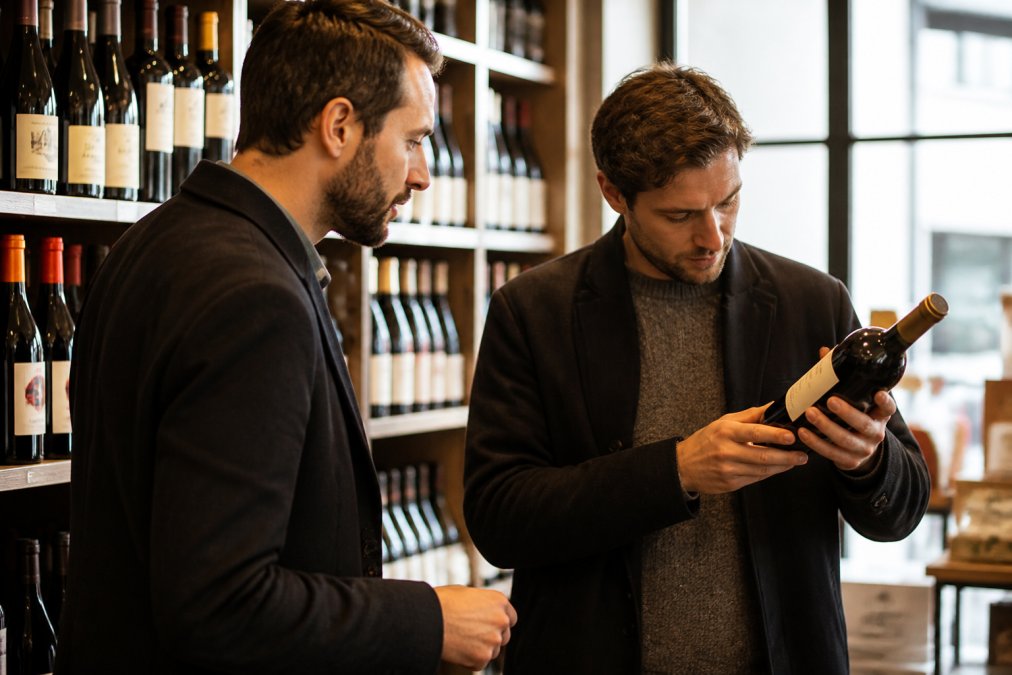
Effective wine marketing sells the story of why bottles matter. Customers remember narratives far longer than tasting notes.
Your story has several layers: winery history, regional terroir, winemaker philosophy, and vintage characteristics. Each element gives customers something to share.
79North Ltd emphasises family heritage of producers like Manz, Casal do Conde, and Casa Américo, multi-generational operations using techniques refined over decades.
When discussing the Manz 2022 Dona Fátima Jampal, explain that Jampal is a grape variety saved from extinction, grown in clay carcaria soils of Cheleiros village, and aged in French oak. This narrative sells far more effectively than price or alcohol content.
Your storytelling should include:
- The producer's background and philosophy
- Regional terroir and what makes it distinctive
- Specific production methods that set the wine apart
- The vintage's particular characteristics
- How the wine pairs with food or occasions
Train your team to tell these stories consistently and authentically across all customer types.
Wine Marketing Strategy for Independent Retailers
Independent retailers need wines that stand out, reliable supply, reasonable margins, and products customers want.
Digital Channels That Work for Small Portfolios
You don't need a massive budget for digital marketing, just focused, authentic channels that reach your actual customers.
Email is the most effective channel. Build a mailing list and send monthly emails highlighting a featured wine, its story, pairing suggestions, and pricing. This drives consistent repeat purchases at minimal cost.
Instagram is essential for wine retailers, visual presentation of bottles and pairings is inherently shareable. Post consistently: show tastings, feature reviews, and share producer stories.
Ensure your Google Business Profile is complete. This minimal effort delivers consistent local traffic for searches like "independent wine shop near me."
Start a simple blog with one post per month on wines you stock or pairing ideas. This helps search visibility and gives customers reason to visit regularly.
Building Relationships with Importers and Distributors
Your importer relationship is crucial, you need a partner who understands your business and delivers reliably.
Ask importers about supply consistency and stock availability. A good importer like 79North Ltd has direct producer relationships and can navigate production issues without leaving you stranded.
Pricing transparency matters. An importer worth working with explains their pricing structure clearly and doesn't hide behind vague wholesale rates.
Your importer should be responsive, proactive about new releases, and realistic about what sells in your market.
Look for an importer offering marketing support: spec sheets, tasting notes, images, and staff training. 79North Ltd provides detailed product information for wines like Quinta Pousada de Fora 2020 Arinto Reserva and Casal do Conde 2023 Vale d'Algares Pinot Gris.
Wine Tasting Event Ideas for Restaurants
Wine tasting events build loyalty, drive sales, and showcase wines that might otherwise sit on your shelf.
Host themed tastings around regions or varieties. A Portuguese white wine tasting featuring Casal do Conde Pinot Gris with food pairings at £20-30 per person covers costs and attracts serious customers.
Collaborate with local restaurants on pairing dinners. The restaurant drives attendance, you move bottles, and customers discover wines in a structured environment.
Invite your importer's team to lead tastings. Direct producer representation builds customer connection and credibility.
Sommelier-led tastings elevate the experience and justify premium pricing for fine-dining customers.
Run vertical tastings of the same wine across multiple vintages. This shows how a wine evolves and helps customers understand value. It also demonstrates your depth of knowledge.
Manz 2022 Dona Fátima Jampal →
Keep tasting events intimate. Thirty people maximum allows for genuine conversation and meaningful engagement. Large events feel corporate and undermine the authenticity that makes niche wines appealing.
Pricing and Positioning Niche Wines
Pricing niche European wines requires a different approach than commodity wines. You're not competing on price. You're competing on uniqueness, quality, and story.
Cost-plus pricing (buying at wholesale and adding a fixed margin) works for mainstream wines. For niche wines, use value-based pricing. Consider what customers are willing to pay for a wine with genuine rarity, excellent provenance, and a compelling story. The Manz 2022 Dona Fátima Jampal, at £35, commands that price because it's a single-varietal wine from a saved grape variety, aged in French oak, with a distinctive profile. That justifies the premium.
Position your niche wines clearly. Don't bury them on a shelf between mass-produced bottles. Create a dedicated section with clear signage explaining what makes these wines different. Include tasting notes, producer information, and pairing suggestions. Make the customer feel like they're accessing something special.
For restaurants, niche wines should anchor your wine list. Rather than offering 80 mediocre options, offer 30 carefully chosen wines with detailed descriptions. This approach works better for fine dining and attracts customers seeking discovery over familiarity.
Educate your team on margins. They need to understand why a niche wine is priced higher and be able to explain that to customers. A well-trained team doesn't apologise for premium pricing. They justify it with knowledge and passion.
Regulatory Compliance and Supply Chain Reliability
Working with imported wines involves regulatory requirements and supply chain complexities that have shifted significantly since 2020. Understanding these protects your business, builds trust with customers, and prevents costly delays or rejections at the border.
Post-Brexit Import Requirements
Following the UK's departure from the EU, wine imports now require customs documentation and phytosanitary checks that didn't exist before. This is where many small retailers and importers stumble.
All wine imports incur duty and VAT. This is why direct sourcing from European wineries often isn't cheaper than working with an established importer, importers absorb these costs at scale and negotiate better freight rates.
Your importer should provide a clear breakdown of landed costs before you commit to an order. If they can't or won't, that's a red flag. You need to know exactly what you're paying and what margin you're building.
Labelling and Compliance:
All wines must comply with labelling regulations. Labels must include:
- Producer name and address
- Country of origin
- Alcohol content
- Net volume
- Allergen warnings (particularly sulphites)
- Lot number or vintage year
The sulphite warning is non-negotiable. If a label doesn't include this, the wine cannot be legally sold in the UK.
Your importer should guarantee that all wines meet these requirements before they reach your shelves. Ask to see label compliance documentation. If an importer can't provide it, don't stock their wines, you're liable if a wine is mislabelled or missing allergen warnings.
Phytosanitary and Health Certificates:
Wines from EU countries now require a phytosanitary certificate (plant health certificate) issued by the exporting country's authorities.
Supply Chain Resilience: What Can Go Wrong
Supply chain failures manifest in three ways: delayed shipments, partial orders, and quality issues. Each has different causes and solutions.
Delayed Shipments:
Partial Orders:
Quality Issues:
Due Diligence Checklist for Importers
Before signing a supply agreement with an importer, ask these questions:
- Stock and Lead Times: Do you hold UK inventory, or import to order? What are typical lead times for reorders?
- Customs and Compliance: Can you provide documentation showing all wines meet FSA/FSS labelling requirements? How do you handle phytosanitary certificates?
- Pricing Transparency: Can you break down the cost per bottle (producer cost, duty, freight, margin)? What are your minimum order quantities?
- Logistics and Storage: Who handles transport? What storage conditions do you maintain? What's your damage/replacement policy?
- Communication: How responsive are you to questions? Do you proactively notify me of new releases or stock issues?
- Marketing Support: Do you provide spec sheets, tasting notes, images, or staff training?
- References: Can you provide contact details for two or three other retailers you supply?
Inventory and Record-Keeping
Keep detailed records of your wine inventory and sales. Use a simple spreadsheet or a point-of-sale system that tracks:
- Wine name, producer, vintage, and bottle count
- Purchase date and cost per bottle
- Sale date and retail price
- Any damaged or unsaleable stock
Frequently Asked Questions
How do I market niche European wines to UK consumers effectively?
Focus on the story behind each wine: the terroir, the winemaker's heritage, and the native grape varieties. Niche European wines succeed through authentic narrative, not price competition. Use digital channels like email to existing customers, social media to showcase tasting notes, and in-person tastings to build relationships. Partner with importers like 79North who already understand your market and can provide spec sheets, tasting notes, and producer backstories that customers actually want to hear.
What makes storytelling in wine marketing so important for smaller producers?
Small, family-owned wineries cannot compete on volume or advertising spend, so storytelling becomes their primary differentiator. Customers buying niche wines want to know the history, the soil composition, the winemaker's philosophy, and why this particular vintage matters. When you tell that story authentically, through tasting events, social media, or direct conversation, you transform a bottle into an experience. This emotional connection justifies premium pricing and builds customer loyalty that mass-market wines cannot achieve.
How do I ensure supply chain reliability when working with small European producers?
Work with established importers who have direct relationships with producers and handle all regulatory compliance post-Brexit. Importers like 79North manage customs documentation, minimum order quantities, and supply continuity so you don't have to. Ask for references from other independent retailers or restaurants already stocking their wines. Establish clear communication channels about stock availability and lead times. A reliable importer acts as a buffer between you and the complexities of European sourcing, reducing the risk of sudden supply gaps.
What's the difference between positioning a niche European wine at premium price versus competing on value?
Niche European wines should never compete on price, they compete on distinctiveness and authenticity. A wine like Manz 2022 Dona Fátima Jampal at £35 per bottle justifies that price through scarcity (Jampal was nearly extinct), quality (French oak ageing, 4.2 Vivino rating), and story (a producer reviving a historic region). Independent retailers succeed by educating customers about what they're paying for: unique terroirs, sustainable practices, and wines unavailable elsewhere. Premium positioning attracts customers who value discovery over bargains.