Best Alternatives to Vinissimo for Independent Wine Shops
Table of Contents
- Why Independent Wine Shops Are Looking Beyond Vinissimo
- Quick Comparison: Top Alternatives to Vinissimo at a Glance
- 79North Ltd: Specialised Portuguese and Italian Wine Imports
- Vindependents: Member-Led Wine Agency for Independent Merchants
- Technology Platforms: EPOS and Inventory Management Solutions
- E-Commerce Platforms: Building Your Own Direct-to-Consumer Channel
- How to Choose the Right Alternative: Supplier, Technology, or Hybrid Model
- Making the Switch: What to Consider Before Changing Suppliers or Systems
Last Updated: August 1, 2026
Why Independent Wine Shops Are Looking Beyond Vinissimo
Independent wine retailers need suppliers who understand their constraints: smaller order volumes, limited storage space, and distinctive wines reflecting their shop's character. A vinissimo alternative has become essential for retailers seeking better margins, unique product access, and flexible partnership terms.
At 79North Ltd, we work directly with independent retailers and restaurants, and we've seen how the right supplier relationship transforms a wine shop into a destination. This guide explores alternatives ranging from specialist importers to technology platforms to collaborative buying groups.
Quick Comparison: Top Alternatives to Vinissimo at a Glance
| Alternative Type | Best For | Key Advantage | Primary Cost |
|---|---|---|---|
| 79North Ltd (Specialist Importer) | Boutique retailers wanting Portuguese/Italian exclusives | Direct producer relationships, supply chain transparency | Wholesale pricing on small orders |
| Vindependents | Independent merchants seeking margin protection | Member-led agency, protected distribution channels | Membership + product pricing |
| CSY Retail Systems (Vector EPOS) | Wine merchants needing inventory + customer tracking | Industry-specific EPOS design | Subscription (contact for pricing) |
| Wine Hub by Wine Owners | Multi-channel retailers with complex inventory | Real-time syncing across POS, e-commerce, reserves | Subscription (contact for pricing) |
| Shopify + Square | Retailers building direct-to-consumer channels | Affordable, scalable e-commerce entry point | £5-49/month + transaction fees |
| Lightspeed Retail | Growing shops with multi-location operations | Advanced inventory controls and detailed reporting | £109/month + processing fees |
Alternatives fall into three categories: specialist suppliers, technology platforms, and e-commerce tools. Most successful independent shops use a combination.
Supplier Model vs. Technology Platform: Understanding the Difference
When evaluating a vinissimo alternative, decide first whether you need a new supplier, new software, or both. These serve entirely different functions.
A supplier like Vinissimo or 79North Ltd handles sourcing, logistics, payment terms, and expertise. Technology platforms like CSY Retail Systems or Lightspeed manage operations, inventory, point-of-sale, and customer data. You need both.
If you're unhappy with Vinissimo, the issue is usually supplier-related: product range doesn't match your positioning, margins are too tight, or minimum orders are too high. If your problem is tracking inventory across shop and online store, that's a software problem.
79North Ltd: Specialised Portuguese and Italian Wine Imports
79North Ltd operates as a dedicated importer of premium, family-owned wines from Portugal and Italy. Unlike traditional distributors carrying hundreds of labels, 79North Ltd focuses on depth over breadth, building direct relationships with small, innovative wineries that would otherwise struggle to access the UK market.
Direct Producer Relationships and Supply Chain Transparency
What sets 79North Ltd apart is supply chain transparency. When you stock a wine from 79North Ltd, you know exactly where it comes from and why it was made that way. You can tell that story to customers.
This matters for independent retailers because your competitive advantage isn't price, you'll never beat supermarkets. Your advantage is curation and authenticity. Customers come to independent wine shops because they trust your judgment. 79North Ltd enables this by providing access to producers with genuine stories: small wineries using traditional methods, family operations focusing on low-intervention viticulture, producers committed to sustainable practices.
Direct producer relationships also provide supply chain resilience. When major distributors face shortages, they deprioritise smaller retailers. 79North Ltd works with smaller volumes by design, so your order is never deprioritised.
Ideal For: Independent Restaurants and Boutique Wine Retailers
79North Ltd is built for independent restaurants and boutique wine retailers where volume is modest but positioning is everything. If your wine list is a competitive advantage or your customers expect you to know winemakers personally, 79North Ltd makes that possible.
However, 79North Ltd is not ideal if your business model depends on high volume and tight margins. Their wines are premium, family-owned products.
Vindependents: Member-Led Wine Agency for Independent Merchants
Vindependents is a wine agency owned by and operated for independent wine merchants in the UK. Rather than a top-down distributor dictating terms, Vindependents is member-led. Wines you stock are genuinely exclusive to the independent sector.
Collaborative Buying Power and Margin Protection
Small retailers individually have weak negotiating power with producers. When independent wine shops band together through Vindependents, that collective volume creates real negotiating power. The agency secures better pricing for members while protecting margins through exclusive distribution agreements.
Vindependents also offers members the opportunity to gain equity in the business based on purchase volume, aligning incentives with your shop's success.
Technology Platforms: EPOS and Inventory Management Solutions
Software platforms address operational problems that suppliers can't solve. A good EPOS system reduces shrinkage, prevents stockouts, enables omnichannel selling, and provides data for better decisions.
Wine has unique requirements: duty management, customer reserves, case-break tracking, age verification, and complex pricing rules. Purpose-built wine systems excel where generic EPOS falls short.
CSY Retail Systems (Vector EPOS) for Wine Merchants
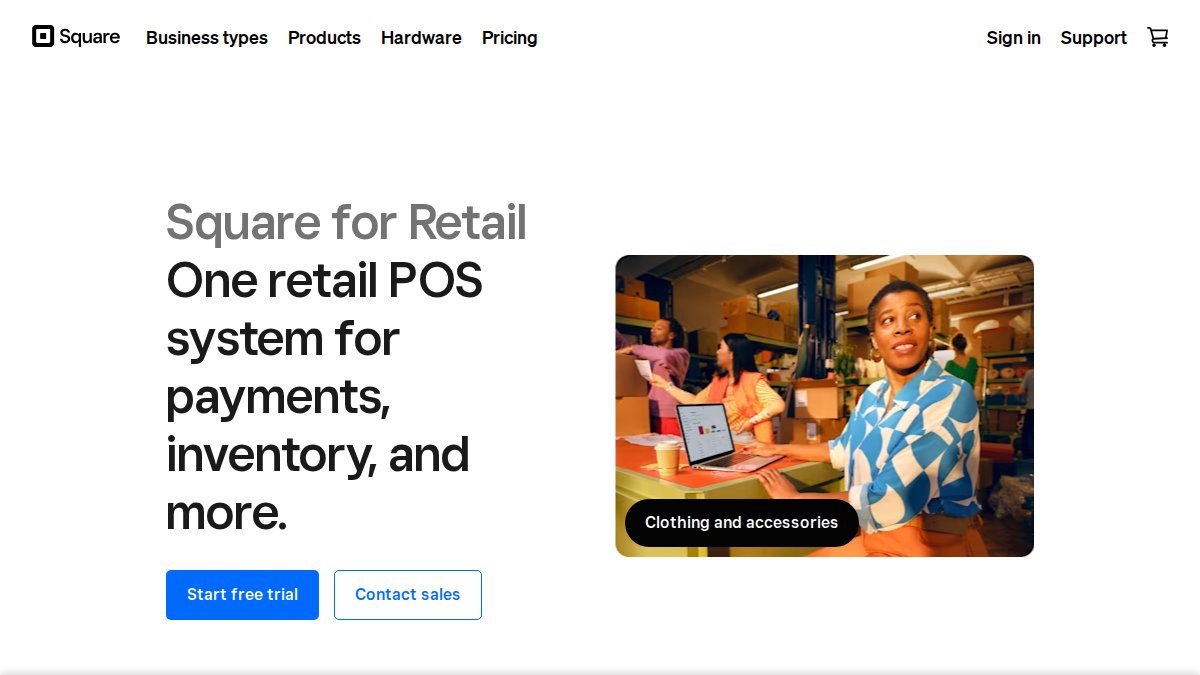
Vector EPOS is designed specifically for wine merchants. The system handles stock management across locations, customer behaviour tracking, detailed reporting, and online integration.
Vector EPOS excels in inventory control, tracking not just what's in stock but where it's stored, its duty status, cost basis for margin calculation, and age for compliance. It includes case-break functionality, custom labelling, and electronic shelf labels that automatically update prices.
Pricing requires direct contact with the company.
Wine Hub by Wine Owners: Specialised Wine Trade Software
Wine Hub is a SaaS platform designed for wine retailers, distributors, importers, and warehouses. Its core strength is inventory accuracy across complex scenarios: managing customer reserves, tracking duty status, and preventing overselling across multiple channels.
Wine Hub distinguishes between merchant's own stock, customer-owned reserves, and bonded warehouse stock. The platform integrates with Shopify and WooCommerce, syncing inventory in real time. When you sell a bottle online, your in-store inventory updates automatically.
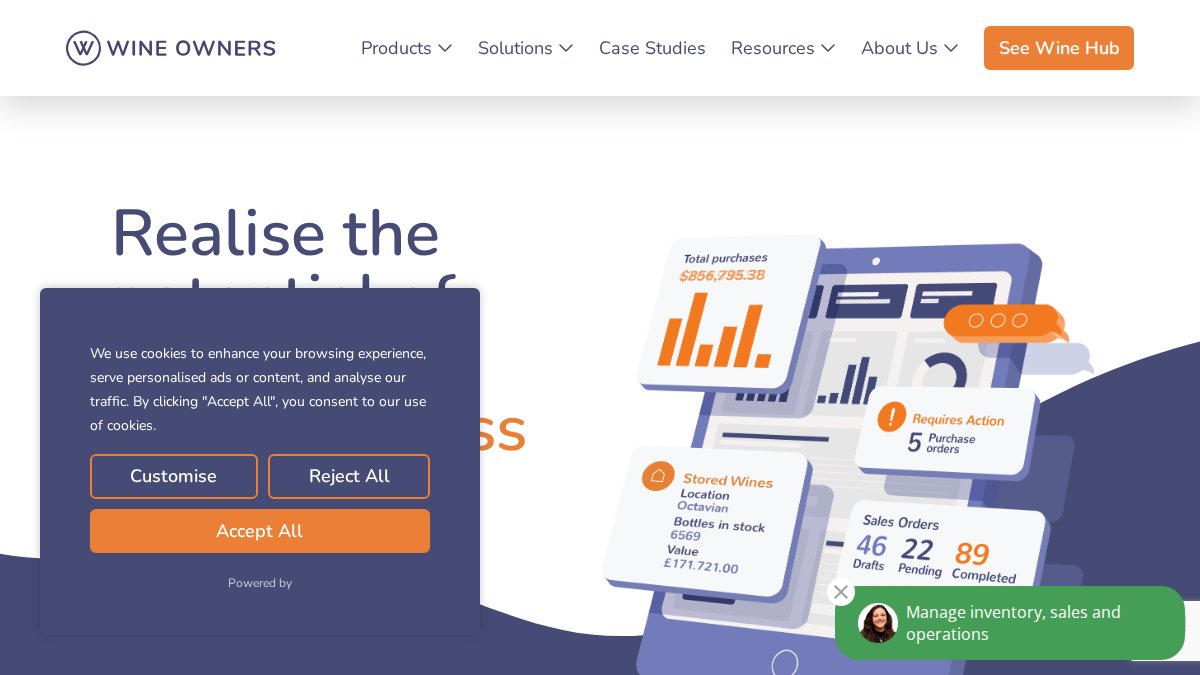
Pricing requires contacting the company for a quote.
Lightspeed Retail: Multi-Channel Selling and Reporting
Lightspeed Retail is a cloud-based POS system serving various retail sectors, including wine. It excels in inventory management for complex scenarios, supporting case-break tracking, multi-location management, and detailed product controls.
Lightspeed's reporting allows you to analyse sales by product, category, location, and customer. You can identify top-performing wines, margin drivers, and slow-moving stock. The platform supports flexible pricing and integrates with e-commerce platforms for real-time inventory syncing.
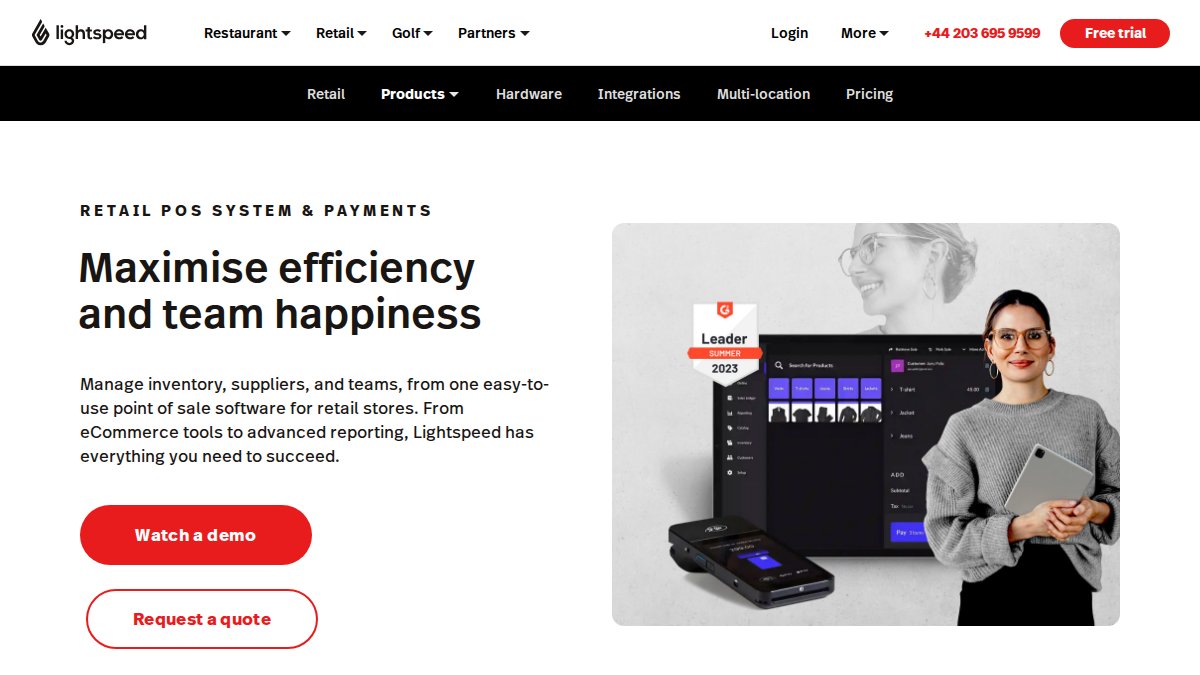
Lightspeed Retail starts at £109 per month for the basic plan, with additional payment processing fees.
E-Commerce Platforms: Building Your Own Direct-to-Consumer Channel
Many independent wine retailers find their most profitable sales come from direct-to-consumer channels. When you sell direct, you capture the full retail margin without a distributor taking a cut.
Shopify and Square: Flexible, Affordable Entry Points
Shopify is a hosted e-commerce platform allowing you to create a professional online store without technical expertise. The app store includes wine-specific functionality: age verification systems, wine club management, subscription billing, and tasting note templates.
Shopify pricing starts at £5 per month for the Starter plan and £19 per month for the Basic plan (billed annually). For a small wine shop generating £500-1000 in monthly online sales, total monthly costs are typically £30-50.

Square offers an alternative focused on simplicity. Square's free plan allows you to create a basic online store with unlimited products. Paid plans start at £0 per month (free tier) and £49 per month (Plus plan), with transaction fees on all payments.
Both platforms integrate with popular payment processors and shipping providers, automating operational complexity.
How to Choose the Right Alternative: Supplier, Technology, or Hybrid Model
Selecting the right vinissimo alternative requires clarity about what you're optimizing for. Are you trying to improve margins? Reduce operational complexity? Differentiate your product range? Expand into e-commerce?
Assessing Your Business Needs: Volume, Margins, and Expertise
Start by honestly assessing your current situation. What's working with Vinissimo, and what isn't? If the problem is product range, wines that are more distinctive or more profitable, then a supplier change is right. 79North Ltd or Vindependents would address this.
If the problem is operational, losing track of inventory, overselling online, struggling with customer reserves, then software is the priority. Lightspeed Retail or Wine Hub would directly solve these problems.
Volume matters. High-volume operations (£50,000+ monthly wine sales) need suppliers who handle scale and software strong enough for complex operations. Smaller shops (£5,000-15,000 monthly) need suppliers comfortable with modest orders and simple software.
Calculate your margin on your top 20 wines. These typically represent 60-70% of revenue. If margins are declining on these lines, your supplier is the problem. If margins are stable but total profitability is declining, your problem is likely operational efficiency or customer acquisition.
Evaluating Reliability and Supply Chain Resilience
The wine supply chain has become less predictable since 2023. When evaluating a supplier alternative, assess their supply chain resilience.
Ask direct questions: How do they manage stock? Do they hold inventory in the UK or import to order? What's their typical lead time? How do they handle out-of-stocks?
A supplier like 79North Ltd that holds UK inventory and works with direct producer relationships tends to be more resilient. Vindependents, as a member-led cooperative, has collective buying power to negotiate supply agreements.
For software platforms, assess uptime guarantees and customer support. Look for platforms with 99.9% uptime SLAs and responsive support.
Sustainability and Sourcing Transparency as Competitive Advantage
Customers increasingly care about where wine comes from and how it's produced. Sustainability, fair wages, and environmental stewardship are mainstream expectations, particularly among younger customers.
A specialist supplier like 79North Ltd focusing on family-owned producers with genuine sustainability commitments gives you product stories you can tell. This becomes competitive advantage. You're not just selling wine; you're selling a connection to the producer and alignment with customer values.
When evaluating suppliers, ask about sourcing practices. Do they work with producers using sustainable viticulture? Do they have transparency into labour practices? Are they seeking low-intervention, natural wines?
Making the Switch: What to Consider Before Changing Suppliers or Systems
Switching suppliers or implementing new software is operationally disruptive. Plan for a transition period where both systems run simultaneously, staff need training, and errors are possible.
Timing: Don't switch suppliers mid-season if possible. Choose a slower period to minimise disruption.
Data migration: If changing EPOS systems, plan data migration carefully. Your product catalogue, customer data, and transaction history need to transfer cleanly.
Staff training: New systems require training. Budget time for your team to learn the new platform before going live.
Parallel running: Run old and new systems simultaneously for 1-2 weeks if possible. This catches errors before they affect customers.
Communication with customers: If your product range shifts, communicate why you're making the change and what benefits customers will see.
Financial planning: Calculate switching costs. New software typically has setup fees plus ongoing subscriptions. New suppliers might require minimum orders. Ensure expected benefits justify investment.
According to Food Standards Agency guidance on wine imports, UK retailers importing wine directly from EU producers face additional compliance requirements around labelling, duty management, and customs documentation. A specialist importer like 79North Ltd handles these complexities on your behalf.
The decision between 79North Ltd, Vindependents, software platforms, or a hybrid approach depends on your specific situation. Independent wine shops succeed by being different, not competing on price. Choose a vinissimo alternative that enables you to be distinctly, authentically different.
Independent wine retailers thrive when they have the right partners supporting them. Whether you're seeking distinctive, story-driven wines from Portugal and Italy, better margins through collective buying, or software that eliminates operational chaos, alternatives to Vinissimo offer real options. 79North Ltd specialises in connecting independent UK retailers with premium, family-owned Portuguese and Italian producers, providing direct producer relationships, supply chain transparency, and wines that genuinely differentiate your shop. British Wine Association standards recognise the value independent retailers bring to the UK wine market. Let's talk about how 79North Ltd can help you build a wine list that reflects your shop's unique positioning.
Frequently Asked Questions
What are the main differences between supplier alternatives to Vinissimo and technology platforms?
Supplier alternatives like 79North Ltd and Vindependents focus on curated wine sourcing, exclusive distribution, and direct producer relationships. Technology platforms (EPOS, inventory software, e-commerce) manage operations, stock control, and customer experience. Many independent wine shops use both: a supplier for distinctive products and a platform for retail management. Your choice depends on whether you need better sourcing, better operational tools, or both.
How can I ensure a new wine supplier is reliable before committing inventory?
Start with small orders to test product quality, delivery consistency, and customer service responsiveness. Request references from other UK independent retailers already stocking their wines. Check their supply chain transparency, ask how they source directly from producers and what happens if a winery cannot fulfil orders. Verify they offer flexible terms, returns policies, or exchange options for slow-moving stock. Reputable importers like 79North Ltd provide detailed provenance and producer information to build confidence.
Can independent wine shops work with small-batch importers if they have limited volume?
Yes. Specialist importers like 79North Ltd specifically serve independent retailers and restaurants, not just large distributors. They understand that boutique wine shops may order smaller quantities but value unique terroirs and native grape varieties. Member-led agencies like Vindependents also protect smaller merchants through collaborative buying power. Always confirm minimum order quantities upfront, but many importers will negotiate flexible terms for committed partners.
What technology should I prioritise if I'm building an online presence alongside my physical store?
Choose a solution offering omnichannel capabilities: real-time inventory syncing between in-store and online, integrated POS, and e-commerce integration. Lightspeed Retail excels at multi-channel selling with strong reporting. Shopify offers affordable, scalable e-commerce with wine-specific apps. Wine Hub by Wine Owners handles complex duty statuses and customer reserves. Prioritise systems that prevent overselling and automate product content syncing so your online and physical inventory stay accurate.
How do sustainable sourcing and supply chain transparency affect my competitive advantage?
UK independent wine shops increasingly compete on authenticity and values, not price. Importers specialising in sustainable viticulture and direct producer relationships appeal to conscious consumers. Transparency about wine provenance, production methods, and sourcing practices builds customer trust and justifies premium pricing. Featuring small-batch, low-intervention wines from family-owned producers differentiates your offering from supermarket chains. Technology platforms that track and display this information enhance your customer experience and support your brand story.
This article was written using GrandRanker