
Food Pairings for Unique Portuguese Grape Varieties
Table of Contents
- Why Unique Portuguese Grape Varieties Deserve a Place on Your Wine List
- Best Portuguese White Wine Food Pairings: From Alvarinho to Arinto
- Pairing Touriga Nacional with Food: Bold Reds and Modern Plates
- Portuguese Wine and Cheese Pairing Tips for Independent Retailers
- Serving Temperatures and Decanting: Small Details That Change the Pairing
- Modern Fusion Cuisine: Pairing Portuguese Grape Varieties with International Dishes
- Frequently Asked Questions
Last Updated: September 27, 2026
Why Unique Portuguese Grape Varieties Deserve a Place on Your Wine List
Food pairings for unique Portuguese grape varieties start with matching the wine's acidity, tannin and weight to the dish. Native grapes such as Alvarinho, Arinto, Touriga Nacional and Jampal carry a sense of place international varieties cannot copy.
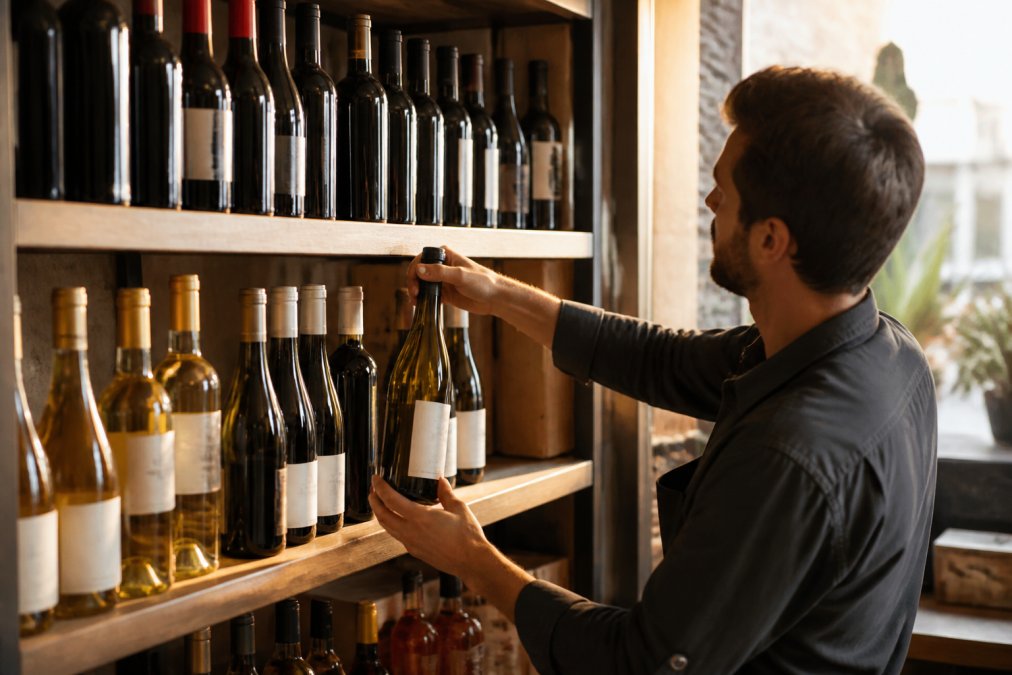
At 79North Ltd, we import family-owned wines from small producers, many working with indigenous grapes that rarely leave the country. A list built on international labels competes on price; one built on Jampal, Tinta Caiada or Baga competes on character.
Portugal grows hundreds of native grape varieties, many nearly lost in the twentieth century as vineyards were replanted with higher-yielding vines.
Best Portuguese White Wine Food Pairings: From Alvarinho to Arinto
The best Portuguese white wine food pairings lean on acidity. Portuguese whites carry higher natural acidity than many New World equivalents, cutting through oil, salt and fat in a way richer wines cannot.
Alvarinho: Grilled Fish and Fresh Cheeses
Alvarinho is a white grape from the north, known for stone fruit, citrus and a crisp, mineral finish. Its aromatic intensity and bright acidity suit grilled fish, shellfish and fresh cheeses such as goat's cheese.
Arinto: Shellfish and Petiscos
Arinto is the workhorse white of Portuguese viticulture, prized for high acidity and a clean, citric edge. It handles shellfish, lighter seafood and finer petiscos with ease.
Pairing Touriga Nacional with Food: Bold Reds and Modern Plates
Pairing Touriga Nacional with food means matching structure to richness. The flagship red grape, known for dark fruit, firm tannins and violet notes, stands up to grilled and roasted meats and to spice.
Tinta Caiada and Alfrocheiro: Alentejo Blends with Grilled Meats
Tinta Caiada brings colour and ripe, sweet tannins; Alfrocheiro adds perfume and freshness. With Touriga Nacional and Touriga Franca, they form the backbone of many Alentejo reds.
| Wine | Key Grapes | Best Paired With | Serve At |
|---|---|---|---|
| Casal do Conde 2023 Alvarinho | Alvarinho | Grilled fish, fresh cheese, Japanese dishes | 8-10°C |
| Quinta Pousada de Fora 2020 Arinto Reserva | Arinto | Shellfish, lighter petiscos | 8-10°C |
| Herdade da Calada 2020 Caladessa Reserva | Tinta Caiada, Alfrocheiro, Touriga Nacional | Grilled and slow-cooked meats | 16-18°C |
| Manz 2022 Dona Fátima Jampal | Jampal | Light fish, shellfish, soft cheese | 10-12°C |
Portuguese Wine and Cheese Pairing Tips for Independent Retailers
Portuguese wine and cheese pairing tips come down to one rule: match intensity, not just colour. A delicate white disappears next to a powerful aged cheese; a heavy red flattens a soft, fresh one. Cheese carries fat, salt and, when aged, a crystalline crunch of tyrosine. Wine needs enough acidity to cut the fat, enough fruit to answer the salt, and enough texture to stand beside the paste without either side dominating.
A practical cheese board, grape by grape
Fresh goat's cheese (queijo fresco de cabra). High moisture, high acidity, low salt. This is where Alvarinho earns its place: the Casal do Conde 2023 Alvarinho (£15.00) has the citrus and stone fruit to lift the dairy without overwhelming it. Serve the cheese at room temperature, or the wine tastes thin by comparison.
Manz 2022 Dona Fátima Jampal →
Counter and shelf guidance for independents
- Build flights, not single bottles. A three-cheese, three-wine flight sells more units per customer than a single recommendation, and it lets you move slower stock.
- Keep one high-acid white, one textured white, one fruit-forward red and one structured red on the counter. That covers most of the board.
- Label the serve temperature on the shelf talker. Customers who serve a £17 red at 22°C will conclude the wine is faulty, not that they served it wrong.
- Stock a Tawny Port in 375ml. It covers the blue cheese and dessert occasions without committing the customer to a full bottle.
Portuguese cheese protected designation of origin list
Serving Temperatures and Decanting: Small Details That Change the Pairing
Serving temperature changes a pairing more than most people expect, for chemical reasons. Volatile aroma compounds evaporate faster as liquid warms, so a white served too cold releases almost nothing on the nose. Tannin perception rises as temperature falls, so a red served too cold tastes hard and drying. Alcohol perception rises as temperature climbs, so a red served too warm tastes hot and thin, the fruit receding behind it.
What the thermometer is actually telling you
A domestic fridge sits at 4-5°C; a typical room at 20-22°C. Almost no wine wants either extreme. The useful range lives in the gap, and you can hit it without equipment: take the bottle out of the fridge 20 to 30 minutes before pouring, or put a warm-room red in the fridge for 15 minutes.
| Wine | Grape | Serve at | Why |
|---|---|---|---|
| Casal do Conde 2023 Alvarinho | Alvarinho | 8-10°C | Above 12°C the aromatics flatten and the wine tastes broad |
| Quinta Pousada de Fora 2020 Arinto Reserva | Arinto | 8-10°C | Lees and oak need a little warmth to show; too cold and the texture disappears |
| Manz 2022 Dona Fátima Jampal | Jampal | 10-12°C | Oak and batonnage need warmth to express; too cold and the toast reads as bitterness |
| Manz 2023 Rosé | Castelão | 8-10°C | Fruit stays fresh; above 12°C it turns confected |
| Herdade da Calada 2021 Vale da Calada Tinto | Trincadeira, Alicante Bouschet, Aragonez | 16-17°C | Juicy tannins stay soft; above 18°C the alcohol pushes forward |
| Herdade da Calada 2020 Caladessa Reserva Tinto | Tinta Caiada, Alfrocheiro, Touriga Nacional | 16-18°C | Ripe tannins need warmth to soften; above 20°C the 15% ABV dominates |
Decanting: when it helps and when it does not
Decanting does two separate jobs, and conflating them causes most mistakes.
For the wines here, the practical calls are:
- Alvarinho and Arinto: no decanting. These are aromatic whites; air costs you the aromatics you paid for.
- Jampal: no decanting. The oak and batonnage already give it texture; air adds nothing and risks dulling the lime and apricot.
- Vale da Calada Tinto: optional 20-minute decant. The tannins are already soft, so this is about releasing reductive notes rather than softening structure.
- Caladessa Reserva: decant for 30 minutes. The Touriga Nacional tannin and the 12 months in French oak both benefit, and the ripe fruit holds up to the air.
A service workflow that survives a busy shift
- Check the room. If the dining room is above 24°C, everything needs 10 minutes more in the fridge than the table above suggests.
- Chill whites to the low end of the range. They warm in the glass, not cool.
- Pull reds from the cellar 30 minutes before service. Do not put them on a shelf above the pass.
- Decant only what you will pour within the hour. A decanter left on the pass for three hours is a wasted bottle.
- Keep a thermometer on the bar. It costs less than a bottle and settles arguments.
Modern Fusion Cuisine: Pairing Portuguese Grape Varieties with International Dishes
Modern fusion cuisine is where native Portuguese grapes earn their keep. Built around acidity and structure rather than oak and sugar, they sit comfortably beside dishes from outside the traditional canon.
Frequently Asked Questions
What food pairs best with bold, tannic Portuguese red wines?
Bold Portuguese reds, such as those from Alentejo or Douro, work well with rich, fatty meats like lamb, beef, and game. The tannins cut through the fat, while the wine's fruitiness complements charred or smoky flavours. Try a wine like Herdade da Calada 2020 Caladessa Reserva Tinto with grilled ribeye or slow-roasted pork. For vegetarian options, pair with roasted aubergine or mushroom dishes.
How do I pair high-acidity Portuguese white wines with food?
High-acidity whites like Alvarinho or Arinto are excellent with seafood, shellfish, and salads. The acidity acts as a palate cleanser, balancing creamy sauces and fried foods. For example, Casal do Conde 2023 Alvarinho is ideal with grilled sardines or fresh cheeses. It also works with Japanese cuisine, where its brightness complements delicate flavours without overwhelming them.
What are some unique Portuguese grape varieties to try with cheese?
Jampal, a rare white grape, pairs beautifully with soft cheeses like Brie or Camembert. Its acidity and stone-fruit notes balance the creaminess. Manz 2022 Dona Fátima Jampal is a fine example. For blue cheese, try a late-harvest or fortified wine. Portuguese wine and cheese pairing tips often suggest matching sweetness with saltiness and acidity with fat.
Are there specific Portuguese grape varieties that suit vegetarian dishes?
Yes. White varieties like Arinto and Alvarinho pair well with vegetarian dishes such as grilled vegetables, salads, and pasta. Their acidity and freshness complement herbs and light sauces. For reds, Touriga Nacional-based wines work with mushroom risotto or lentil stews. The key is to match the wine's intensity to the dish's weight, ensuring balance without overpowering.