
The History of Indigenous Portuguese Grape Varietals
Table of Contents
- How Portugal Became a Living Museum of Portuguese Grape Varietals
- The Best Portuguese Red Wine Grapes and Their Historical Roots
- Rare Portuguese White Grape Varieties Saved from Extinction
- Field Blends and the Genetic Diversity of Native Grapes
- How to Identify Portuguese Wine Labels and What They Reveal
- Climate Resilience and the Future of Indigenous Varieties
- Frequently Asked Questions
Last Updated: September 29, 2026
How Portugal Became a Living Museum of Portuguese Grape Varietals
The history of indigenous portuguese grape varietals is a story of survival against the odds. While much of Europe's wine industry standardised on a handful of international grapes over the past century, Portugal retained hundreds of native varieties, many found nowhere else on earth. At 79North Ltd, we work directly with family-owned producers who still cultivate these heritage vines, and the range is extraordinary.
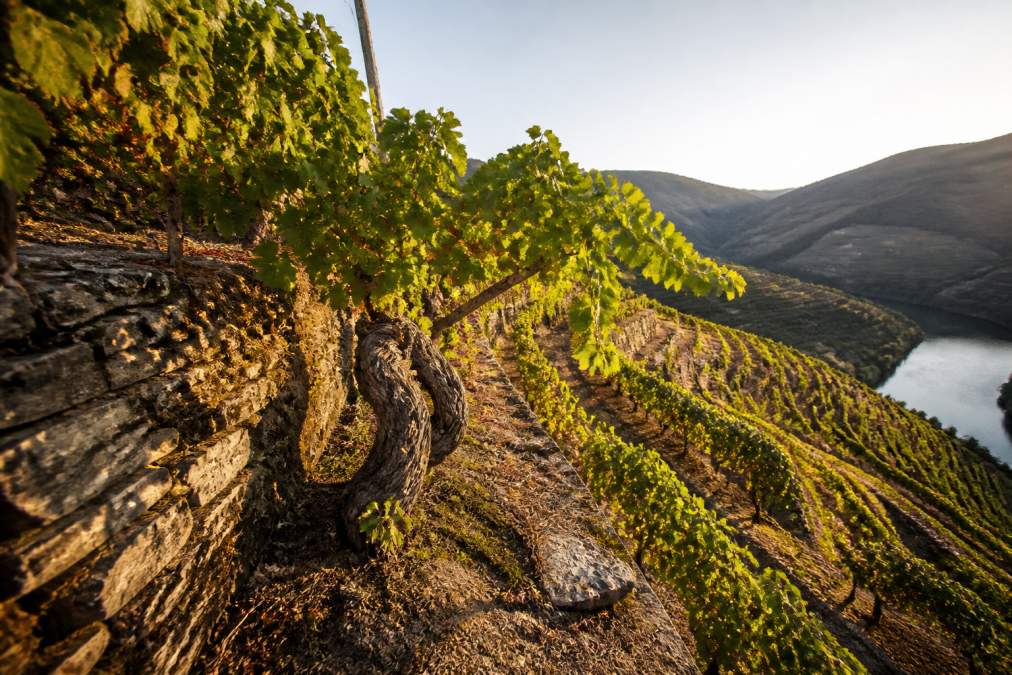
Geography explains much of it. Isolation behind mountain ranges and along river valleys meant vines evolved separately for centuries, each valley developing its own genetic fingerprint. According to the International Organisation of Vine and Wine (OIV), Portugal ranks among the countries with the highest number of authorised native grape varieties in the world.
Ampelography is the science of identifying and classifying grapevines by leaf shape, bunch structure and berry characteristics. It underpins the preservation work that keeps rare Portuguese white grape varieties in commercial production today.
The Best Portuguese Red Wine Grapes and Their Historical Roots
The best Portuguese red wine grapes are Touriga Nacional, Trincadeira, Aragonez, Alicante Bouschet and Baga. Each carries centuries of regional adaptation, and together they form the backbone of the country's most serious red wines. What separates them from international varieties is not just flavour but the specific historical pressures, mountain isolation, maritime trade, phylloxera, and state-led replanting, that shaped where they survived.
Touriga Nacional: The Noble Grape of the Douro
Touriga Nacional is widely regarded as Portugal's finest red grape, and its history explains why. It produces small berries with thick skins, giving wines deep colour, firm tannic structure and aromas of violet, bergamot and dark berry. The Douro Valley has grown it for generations on schist terraces, but it was nearly abandoned in the twentieth century because its yields are low and its vines are prone to coulure, poor fruit set after flowering. Growers replanted with higher-yielding varieties, and Touriga Nacional survived largely in old mixed plots until the 1980s, when a coordinated replanting effort in the Douro and Dão restored it to prominence. It now appears across Dão and Bairrada as well, where granite soils give it a leaner, more floral expression.
A common pattern among Douro producers is to blend Touriga Nacional with Touriga Franca and Tinta Roriz rather than bottle it alone, because its tannin and colour need the aromatic lift and softer mid-palate of the other grapes. Single-variety bottlings exist, but they tend to come from the best parcels and are aged in oak to soften the structure.
Trincadeira and Aragonez: The Backbone of Alentejo Reds
Alentejo built its reputation on these two, and their histories diverge sharply. Trincadeira, also known as Tinta Amarela in the Douro, is an old variety that brings spice, fresh acidity and a slightly herbal edge. It is prone to rot in damp conditions, which is one reason it thrives in the Alentejo's dry heat but struggles further north. Aragonez, known as Tempranillo across the border in Spain, adds ripe fruit, soft tannins and a savoury, leathery note with age. The two are frequently blended because Trincadeira supplies acidity and Aragonez supplies body, a partnership that predates modern winemaking and reflects how the varieties were historically interplanted.
Herdade da Calada's 2021 Vale da Calada Tinto (£17.00) blends Trincadeira, Alicante Bouschet and Aragonez from clay soils layered with loess, producing a ruby wine with wild herb and black cherry notes. Alicante Bouschet, a teinturier grape with red flesh, was introduced to the Alentejo in the late nineteenth century and quickly became a colouring component in blends, a role it still plays, though modern producers increasingly bottle it alone for its dense, dark-fruited character.
Baga: Bairrada's Tannic Survivor
Baga is the grape that defines Bairrada, and it is arguably the most historically stubborn of Portugal's reds.
the International Organisation of Vine and Wine (OIV) maintains the international register of vine varieties, which lists the authorised names and synonyms for Portuguese reds including Touriga Nacional, Trincadeira and Aragonez.
Manz 2022 Dona Fátima Jampal →
Rare Portuguese White Grape Varieties Saved from Extinction
Rare Portuguese white grape varieties survive today because individual growers refused to abandon them. Jampal is the clearest example, and its recovery is one of the more remarkable stories in modern Portuguese viticulture. This persistence highlights how the preservation of traditional viticulture methods remains essential for maintaining the unique character of wines produced from these heritage vines.
Jampal: The Grape That Nearly Disappeared
Jampal came close to vanishing entirely. The Manzwine project in Cheleiros revived it, and winemaker Ricardo Noronha now produces a single-variety bottling from clay carcaria soils. Our own Manz 2022 Dona Fátima Jampal (£35.00) is 100% Jampal, aged six months in new French oak with batonnage, showing apricot, lime and citrus with toast and vanilla.
Antão Vaz and Malvasia Fina: Alentejo's White Heritage
Antão Vaz thrives in Alentejo's heat, keeping acidity where other whites flatten. Malvasia Fina adds aromatic lift. Herdade da Calada's 2022 Vale da Calada Branco (£16.00) combines Antão Vaz, Verdelho and Malvasia Fina from sandy clay soil with pink quartz, fermented in stainless steel with a full month on the yeast.
Field Blends and the Genetic Diversity of Native Grapes
| Region | Signature Grapes | Style |
|---|---|---|
| Douro Valley | Touriga Nacional, Touriga Franca, Tinta Amarela, Rufete | Structured, ageworthy reds; old-vine field blends |
| Alentejo | Trincadeira, Aragonez, Alicante Bouschet, Antão Vaz | Ripe, generous reds and whites; warm-climate field blends |
| Dão | Touriga Nacional, Encruzado, Jaen | Elegant, high-acidity wines; granite-soil blends |
| Bairrada | Baga, Maria Gomes | Tannic, long-lived reds; sparkling-focused whites |
| Vinhos Verdes | Alvarinho, Loureiro, Arinto | Light, aromatic whites; often single-variety |
How to Identify Portuguese Wine Labels and What They Reveal
Learning how to identify Portuguese wine labels starts with three things: the DOC classification, the region and the grape list. A label reading "Vinho Regional" sits below DOC level; "DOC" or "Denominação de Origem Controlada" signals stricter rules on origin and yield.
Climate Resilience and the Future of Indigenous Varieties
Climate resilience is now the strongest argument for keeping indigenous varieties in the ground. Native grapes adapted to local heat, drought and soil over centuries, so many handle rising temperatures better than transplanted international varieties.
Frequently Asked Questions
What are the most common indigenous Portuguese wine grape varieties?
Portugal has over 250 native grape varietals, but the most widely planted include Touriga Nacional, Touriga Franca, and Tinta Roriz (known as Aragonez in Alentejo) for reds. For whites, the key varieties are Alvarinho, Encruzado, Antão Vaz, and Arinto. Many of these grapes appear in field blends across regions like the Douro Valley and Alentejo, where old vines grow mixed together. This genetic diversity is why Portuguese wines offer flavours you simply cannot find in international varieties like Cabernet Sauvignon or Chardonnay.
How do I identify Portuguese wine labels to find authentic native varieties?
Look for the grape variety listed on the back label or the DOC classification on the front. Portuguese wine labels often feature the region name prominently, such as Vinhos Verdes, Douro, Dão, or Alentejo. If you see grape names like Touriga Nacional, Jampal, or Antão Vaz, you are dealing with indigenous varieties. Terms like 'Colheita Seleccionada' or 'Reserva' indicate quality tiers. For rare grapes like Jampal, the producer often highlights the variety's near-extinction story on the label, which helps you identify something genuinely unique.
Why does Portugal have so many native grape varieties compared to other countries?
Geography and history both play a role. Portugal's isolation from major European trade routes until the Age of Exploration meant its vines evolved separately for centuries. The country's varied microclimates, from the cool Atlantic influence in Vinhos Verdes to the hot continental Alentejo, allowed hundreds of mutations to thrive. Additionally, phylloxera in the late 19th century destroyed many European vineyards, but Portugal's replanting efforts preserved indigenous rootstocks and field blends. This is why ampelography, the study of grapevines, is so important for understanding Portuguese viticulture today.
What is the difference between indigenous and international grape varieties?
Indigenous varieties evolved naturally in a specific region over centuries, adapting to local soil, climate, and pests. International varieties like Merlot, Syrah, and Sauvignon Blanc are planted globally because they grow reliably in many conditions. Portuguese native grapes such as Trincadeira, Jampal, or Verdelho thrive in their home terroir but struggle elsewhere. This means indigenous varieties express a sense of place, or terroir, that international grapes cannot replicate. For wine buyers, this translates to distinctive aromatic profiles and tannic structures that stand out on a wine list.
The challenge for independent wine shops and restaurants is finding producers who still work with these varieties and can supply reliably. That is where 79North Ltd comes in. We import premium, family-owned wines from Portugal and Italy, focusing on small, innovative wineries new to the UK market, with a portfolio built around native grape varieties and unique terroirs. Get started with 79North Ltd and put distinctive, authentic wines in front of your customers. Let's talk.