
Importing Piedmontese Wine for UK Restaurants: A Practical Guide
Table of Contents
- Understanding the Piedmont Wine Region and Your Import Options
- Importing Wine from Italy to the UK: Customs and Compliance
- Finding and Evaluating Piedmont Wine Importers
- Piedmont Wines for Restaurant Wine Lists: Selection and Pairing
- Barolo and Barbaresco Wholesale: Building Your Premium Portfolio
- Calculating Landed Costs and Menu Margins
- Establishing a Reliable Supply Chain for Piedmontese Wine
- Frequently Asked Questions
Last Updated: October 6, 2026
Understanding the Piedmont Wine Region and Your Import Options
Piedmont sits in north-west Italy, producing some of Europe's most distinctive, age-worthy wines. Its cool climate, limestone-rich soils and native grapes command premium prices and loyal followings. For UK restaurants, importing Piedmontese wine offers access to family-owned producers that rarely reach supermarket shelves.
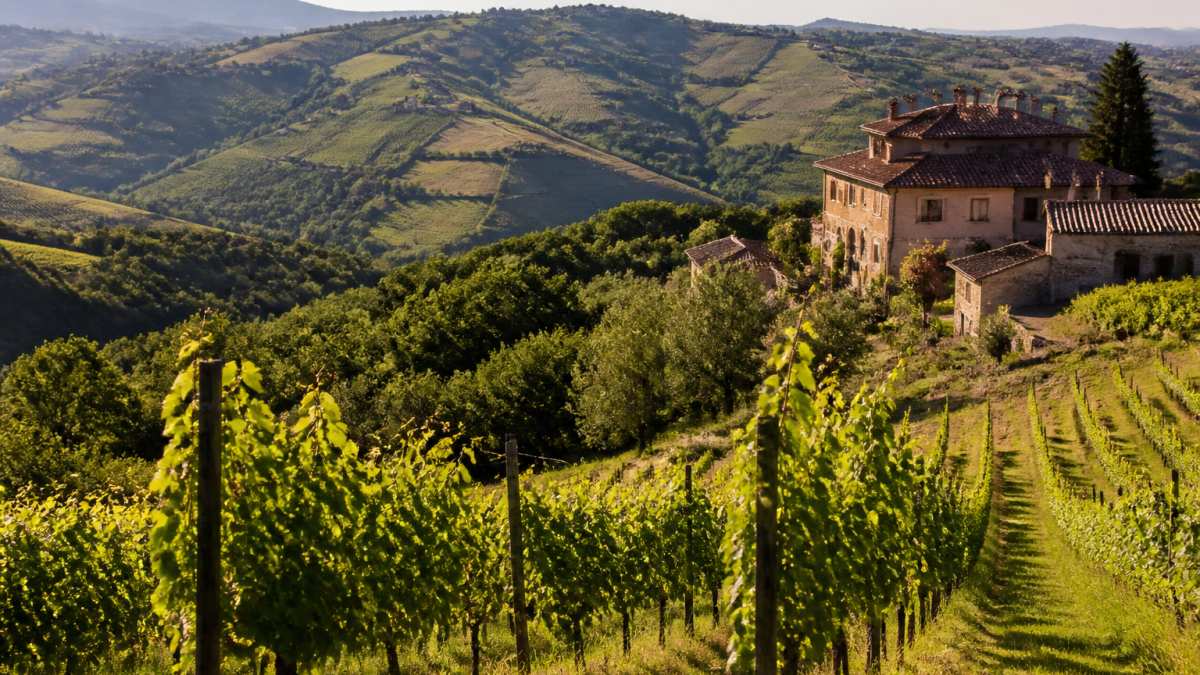
DOCG designations like Barolo, Barbaresco and Gavi enforce strict production rules. Most come from small producers who've worked the same vineyards for generations, precisely the authenticity independent restaurants need to differentiate from chains using generic Italian imports.
The challenge is reliable access: direct sourcing from small Italian wineries involves customs complexity, minimum orders and currency risk. An importer who understands both the region and the UK market simplifies that.
Importing Wine from Italy to the UK: Customs and Compliance
This section decides whether your landed cost is £9 or £14 a bottle. Since leaving the EU, wine from Italy crosses a customs border, and the importer of record, usually your importer, but you if you buy direct, carries legal liability for declarations, duty and VAT. Get it wrong and HMRC can assess underpaid duty plus penalties.
Who is the importer of record?
Buy through a UK-based importer and they are the importer of record, handling customs entry, duty and VAT. Buy direct from a Piedmontese producer and you become the importer of record, appointing a customs agent or filing through HMRC's Customs Declaration Service (CDS). Most restaurants shouldn't take this on, the compliance overhead outweighs the saving.
Duty, excise and VAT
UK alcohol duty is administered by HM Revenue & Customs (HMRC) and, since 1 August 2023, charged by strength rather than a flat rate per hectolitre (Alcohol Duty: rate changes). Still wine between 11.5% and 14.5% ABV sits in a single rate band; below 11.5% pays less, above 14.5% progressively more. Barolo and Barbaresco (14-14.5% ABV) and Gavi (12%) fall in the standard band, while Moscato d'Asti at 5.5% pays materially less. Confirm the current rate on the HMRC website before quoting a landed cost, as rates are uprated most autumns.
On top of duty you pay import VAT at the standard rate (currently 20%) on the customs value plus duty plus freight and insurance. A £10 bottle of Barolo can therefore carry roughly £2.50-£3.50 in duty and VAT before it reaches your cellar.
Documentation you will be asked for
Every consignment needs a commercial invoice, packing list, customs declaration (usually filed via CDS) and evidence of origin. The EU-UK Trade and Cooperation Agreement allows zero-tariff treatment where wine meets the rules of origin, but you must evidence that, typically via a statement on origin from the producer. Without it, a tariff can apply.
Labelling
Wine sold in the UK must carry mandatory English-language information: alcohol content, volume, country of origin, allergen declarations (sulphites, egg, milk fining agents) and, above 1.2% ABV, the name and address of a UK food business operator or importer. Italian producers often print EU-format labels, so importers arrange over-stickering or a UK-specific back label. Ask who is responsible before the wine ships; retro-fitting labels adds cost and delay.
Transit and temperature
Wine is sensitive to heat and vibration. Reputable importers use temperature-controlled groupage or full-load freight, typically 2-4 weeks door to door from Piedmont. Air freight is faster but materially more expensive, rarely justified except for small allocations of high-value Barolo. Budget freight sitting on a hot dock in July will cook the wine.
Current alcohol duty rates and how they are calculated
Finding and Evaluating Piedmont Wine Importers
Most guides tell you to 'choose a good importer'. What a restaurant needs is a way to compare two or three side by side and see which will still be answering the phone in month eighteen. Here is the checklist we would use ourselves.
1. Portfolio fit and producer relationships
Ask for the current portfolio in writing, with producer names, appellations, vintages and bottle counts. A serious Piedmont importer can tell you which producers are family-owned, which are cooperatives, which are négociants. If they cannot name the winemaker or describe the vineyard, they are a broker, not an importer.
2. Minimum order quantities
This is where most restaurants get caught out. Common structures:
- Per-SKU minimums, often 6 or 12 bottles per wine. Good for trialling a new Barolo without committing to a pallet.
- Per-order minimums, often expressed in cases (e.g. 5 or 10 cases) or in value (e.g. £500-£1,000). Better for established lists.
- Mixed-pallet allowances, some importers let you mix SKUs to hit a case minimum, which is the most flexible structure for a restaurant building a Piedmont section from scratch.
Ask explicitly: 'If I want two bottles of a new Barbaresco to taste, what is the smallest order you will accept?' The answer tells you how restaurant-friendly they are.
3. Lead times and delivery schedule
Piedmont to a UK restaurant is typically 2-4 weeks by groupage, faster by air. But the more important question is the importer's delivery schedule, weekly or fortnightly van to your region, or depot collection? A cheap importer with a monthly run can cost more in stockouts than a slightly dearer one delivering weekly.
4. Samples and tasting support
Ask whether they provide trade samples, and at what cost, many supply a sample bottle or tasting pour free or at cost for a genuine restaurant enquiry. Ask whether they will attend a staff tasting; a 45-minute session with your front-of-house team sells more wine than any point-of-sale card.
5. Payment terms
Standard UK wine trade terms are typically 30 days from invoice for established accounts, sometimes 14 days for new customers, pro-forma for first orders. An importer demanding pro-forma on every order indefinitely signals their cash position, not yours.
6. Account support and continuity
Ask who your named contact is, their response time, and what happens when they are on holiday. Ask how they handle a corked or damaged bottle, credit, replace, or argue? Ask how they communicate new releases and vintage changes. A good importer sends an allocation list before the wines land, not after.
7. Compliance and logistics capability
Confirm they are set up as importer of record, handle UK-compliant labelling, and can evidence rules-of-origin statements from producers. If they cannot answer clearly, you carry the compliance risk.
8. References from other restaurants
Ask for two or three restaurant references of similar size and style, then actually call them. Ask what happens when something goes wrong, that is when you find out what kind of supplier you have.
Piedmont Wines for Restaurant Wine Lists: Selection and Pairing
Building a Piedmontese portfolio requires understanding which wines fit your menu and customers. Piedmont produces a wide range, from light, mineral-driven whites to powerful, age-worthy reds, not every wine belongs on every list.
Start with Gavi, a white from the Cortese grape: crisp, citrus-forward, pairing beautifully with seafood, light pasta and antipasti.
Barbera d'Asti offers excellent value: medium-bodied, fruit-forward, with moderate tannins and good acidity, pairing well with risotto, roasted meats and tomato-based pasta.
Consider Moscato d'Asti for dessert or aperitif service: lightly sparkling, sweet and low in alcohol, perfect for customers wanting something different from Prosecco.
For fine dining, Monferrato wines offer complexity and food-pairing potential without the investment of top-tier Barolo, showcasing Piedmont's terroir and craftsmanship at more approachable prices.
By-the-glass service requires careful selection: wines that sell consistently and age well once opened. Lighter wines like Gavi work well; full-bodied reds may oxidise before you finish the bottle.
Barolo and Barbaresco Wholesale: Building Your Premium Portfolio
Barolo and Barbaresco are Piedmont's flagship wines: complex, age-worthy and commanding premium prices. Made from the Nebbiolo grape, they represent the pinnacle of Italian winemaking and are essential for restaurants seeking serious wine credentials.
Barolo is powerful: deep colour, high tannins, flavours of dark fruit, leather and spice. Young Barolo can be austere, with many producers recommending 5-10 years of ageing, a challenge when customers expect to drink now.
Barbaresco is lighter and more elegant than Barolo, with finer tannins and approachable younger, making it more suitable for restaurant service, and often better value for the quality delivered.
Building a Barolo and Barbaresco portfolio requires understanding your customer base: high-end fine dining can stock multiple producers and vintages, casual restaurants one or two options.
Wholesale pricing varies considerably by producer, vintage and bottle size: smaller producers with limited production command higher prices, established larger producers offer better wholesale rates.
Calculating Landed Costs and Menu Margins
Understanding your true cost of goods is essential for profitable wine service.
For example, a wine costing £8 wholesale might carry £1.50 shipping, £0.20 insurance, £2.50 duty and excise, and £2.40 VAT, a true cost of approximately £14.60 per bottle, significantly higher than the wholesale price alone.
Menu pricing should reflect this. A common approach targets a 65-70% margin (the customer pays roughly 2.8-3.3 times landed cost), accounting for wastage, by-the-glass service and promotions.
By-the-glass pricing works the same way: a 750ml bottle yields five 150ml glasses, so divide landed cost by five, then apply your target margin.
Track actual landed costs carefully: currency fluctuations and the pound's strength against the euro change your costs, and duty and VAT rates may change. Review wine list pricing quarterly to keep margins healthy.
Establishing a Reliable Supply Chain for Piedmontese Wine
Consistency matters in wine service: customers expect the same wines on your list when they return. A reliable supply chain with your importer keeps your Piedmontese selection intact.
Discuss inventory planning with your importer: how often can you order, and what lead times apply?
Build relationships with multiple producers through your importer, not just one or two.
Ask your importer about vintage continuity: Piedmontese wines vary by year, some lighter, others more structured.
Storage conditions are critical: keep wine at a consistent temperature (around 13°C), away from direct light and vibration, as fluctuations damage quality.
For restaurants serious about Piedmontese wine, consider visiting the region, many importers arrange producer visits.
Importing Piedmontese wine requires understanding customs compliance, finding importers who genuinely understand small producers, and calculating true costs carefully.
At 79North Ltd, we work with independent restaurants and wine retailers seeking authentic wines from family-owned producers in Portugal and Italy.
Frequently Asked Questions
What are the main steps to import Piedmontese wine into the UK?
The process involves finding a reliable importer or direct producer contact, agreeing on terms and minimum orders, arranging shipping and insurance, navigating UK customs documentation, paying excise duty and VAT, and receiving stock. Working with an established importer handles much of the compliance and logistics, reducing delays and paperwork compared to direct sourcing from wineries.
What UK customs and duty requirements apply when importing wine from Italy?
Imported wine must clear UK customs with proper documentation (commercial invoice, packing list, origin certificate). Excise duty applies, plus VAT at 20% on the landed cost. HMRC requires accurate classification and duty payment before stock reaches your restaurant.
How do Barolo and Barbaresco differ, and which suits a restaurant wine list better?
Barolo, from the Langhe hills, is full-bodied with high tannins and ages 15+ years, suiting meat-heavy menus and premium pricing. Barbaresco, from nearby areas, is slightly lighter with earlier drinkability, offering versatility across courses at accessible price points. Both are DOCG-classified Nebbiolo wines. Your choice depends on menu focus, customer demographics, and storage capacity for long-term investment bottles.
What should I check before committing to a Piedmont wine importer?
Verify their portfolio depth in Piedmontese producers, ask for references from other restaurants, understand their minimum order quantities and return policies, confirm they handle all customs and excise compliance, and check their delivery reliability and vintage continuity. Confirm they can sustain supply long-term.