
Is Dão Wine Dry? A Complete Guide to Profile
Table of Contents
- Is Dão Wine Dry? The Direct Answer
- Dão Wine Characteristics: Understanding the Profile
- Dão vs Douro Wine Profile: Key Differences
- Touriga Nacional Dão: The Flagship Grape
- Climate, Terroir and Dryness: How Granite Soil Shapes the Wine
- Food Pairing Recommendations for Dão Wines
- Sugar Content vs. Perceived Dryness in Dão
- Serving Temperature and Storage Guide
Last Updated: August 19, 2026
Is Dão Wine Dry? The Direct Answer
Yes, Dão wine is predominantly dry. The vast majority of wines from this region contain minimal residual sugar, typically under 4 grams per litre, which classifies them as dry by international standards. Both red and white wines showcase the region's signature dry profile, though perception varies depending on grape variety, vintage, and palate sensitivity.
What makes Dão wines distinctly dry is the structure and tannins that define the experience. High acidity and pronounced tannin content in red varieties like Touriga Nacional create a mouth-drying sensation that reinforces the dry character. White wines from Dão exhibit crisp acidity and mineral-driven profiles that emphasise dryness rather than sweetness.
A wine with minimal residual sugar can still feel slightly off-dry if acidity is low, whereas a Dão wine with technically low sugar often feels intensely dry because of its high acidity and tannin structure. This distinction is crucial for sommeliers and wine buyers selecting bottles for menus or retail shelves.
At 79North Ltd, we work directly with family-owned Dão producers who prioritise traditional vinification methods that preserve the region's characteristic dry profile. Our portfolio includes Casa Américo's Sonante DOP Dão Tinto and Branco, which exemplify the authentic, unfortified dry wines that define this terroir.
Dão Wine Characteristics: Understanding the Profile
Dão wines are characterised by vibrant acidity, structured tannins, and mineral-driven aromatics. The region's cool climate and granite-rich soils produce wines with pronounced freshness and complexity rather than fruit-forward sweetness found in warmer regions.
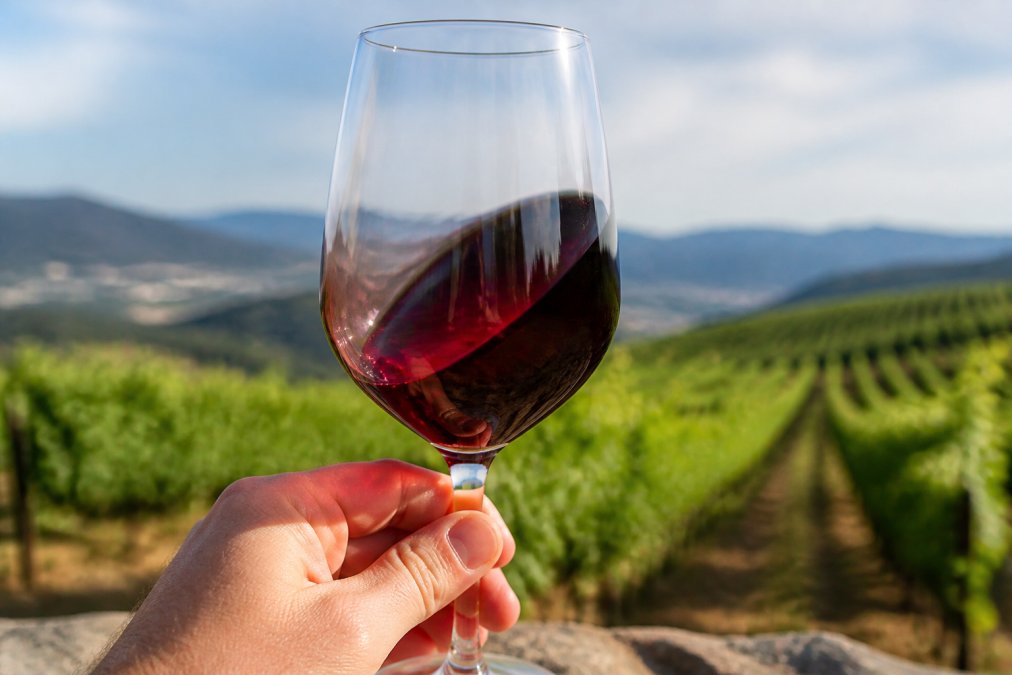
Red wines from the region
Red wines from Dão represent the region's most celebrated expression. These wines typically blend Touriga Nacional, Tinta Roriz, and Jaen, creating full-bodied wines with dark fruit aromatics, dried flower notes, and peppery spice. The tannin structure is firm and well-integrated, providing excellent ageing potential.
Young Dão reds display blackberry and plum characteristics with a clean, dry finish. The mouthfeel is substantial yet refined, never heavy or cloying. Casa Américo's 2023 Sonante DOP Dão Tinto demonstrates these classic characteristics, a blend built on Tinta Roriz, Jaen, and Touriga Nacional that delivers structured tannins and mineral-driven complexity at £14.00 per bottle.
What distinguishes Dão reds from other Portuguese regions is their restraint. These aren't blockbuster wines for immediate drinking, but rather built for contemplation and food pairing, with the dry profile allowing the wine's structure and terroir expression to shine through.
White wines from the region
White wines from Dão are less internationally known than their red counterparts, yet they represent some of Portugal's finest dry white expressions. Produced primarily from Bical, Cerceal-branco, and Encruzado varieties, these wines showcase crisp acidity and saline mineral notes reflecting the granite terroir.
Dão white wines typically present pale gold to light straw colours, with aromatics ranging from citrus and green apple to almond and hazelnut. The palate is lean and focused, with high acidity that creates a dry, refreshing finish. Casa Américo's 2023 Sonante DOP Dão Branco illustrates the category perfectly, combining Bical, Cerceal-branco, and Encruzado to produce vibrant acidity, subtle stone-fruit aromatics, and a bone-dry finish at £14.00 per bottle.
Dão vs Douro Wine Profile: Key Differences
The Dão and Douro regions produce distinctly different wine styles despite their geographical proximity. Understanding these differences is essential for wine professionals selecting between them for menus or retail shelves.
Douro wines tend toward riper fruit profiles and higher alcohol levels. Many Douro reds exhibit jammy blackberry and ripe plum characteristics with softer tannins allowing immediate drinkability. Whilst Douro wines can be dry, their ripeness often creates an impression of slightly lower dryness compared to Dão.
Dão wines emphasise restraint and mineral expression. The cooler, higher-altitude climate produces grapes with higher acidity and firmer tannin development, resulting in wines that taste notably drier with more pronounced structure and less obvious fruit sweetness. Granite-rich soils contribute saline, mineral notes that further emphasise the dry character.
Alcohol levels also differ. Douro wines frequently reach 14-15% ABV, which can add perceived warmth and slightly soften the dry sensation. Dão wines typically sit at 12.5-13.5% ABV, preserving the crisp, dry profile without the warming alcohol burn of higher-alcohol wines.
For independent restaurants and wine shops, Dão works exceptionally well for cuisine requiring food-pairing precision, whilst Douro suits establishments seeking approachable, fruit-driven wines for broader appeal.
Touriga Nacional Dão: The Flagship Grape
Touriga Nacional is the signature grape variety of Dão, and understanding this variety is crucial for grasping what makes Dão wine dry and distinctive. This dark-skinned grape produces wines with concentrated colour, firm tannins, and complex aromatics that define the region's identity.
Touriga Nacional thrives in Dão's cool climate and granite soils, developing small, thick-skinned berries that concentrate flavour compounds and tannins. When vinified as a dry wine, Touriga Nacional delivers blackberry, plum, and dried flower aromatics alongside peppery spice and mineral notes.
The tannin structure of Touriga Nacional creates the dry sensation in Dão wines. These tannins are fine-grained and well-integrated, providing structure without harshness. High acidity reinforces the dry profile, creating wines that feel crisp and focused rather than soft or sweet.
Touriga Nacional typically comprises 30-60% of Dão blends, partnered with Tinta Roriz and Jaen to add complexity and balance. For wine professionals, recognising Touriga Nacional as the key player in Dão's dry profile explains why these wines pair so effectively with food, the tannins and acidity cut through rich dishes whilst the dry character allows mineral and spice notes to complement the plate.
Climate, Terroir and Dryness: How Granite Soil Shapes the Wine
The relationship between climate, terroir, and the dry profile of Dão wine is fundamental. The region's location in the Serra da Estrela mountains creates a cool climate that directly influences grape development and wine dryness.
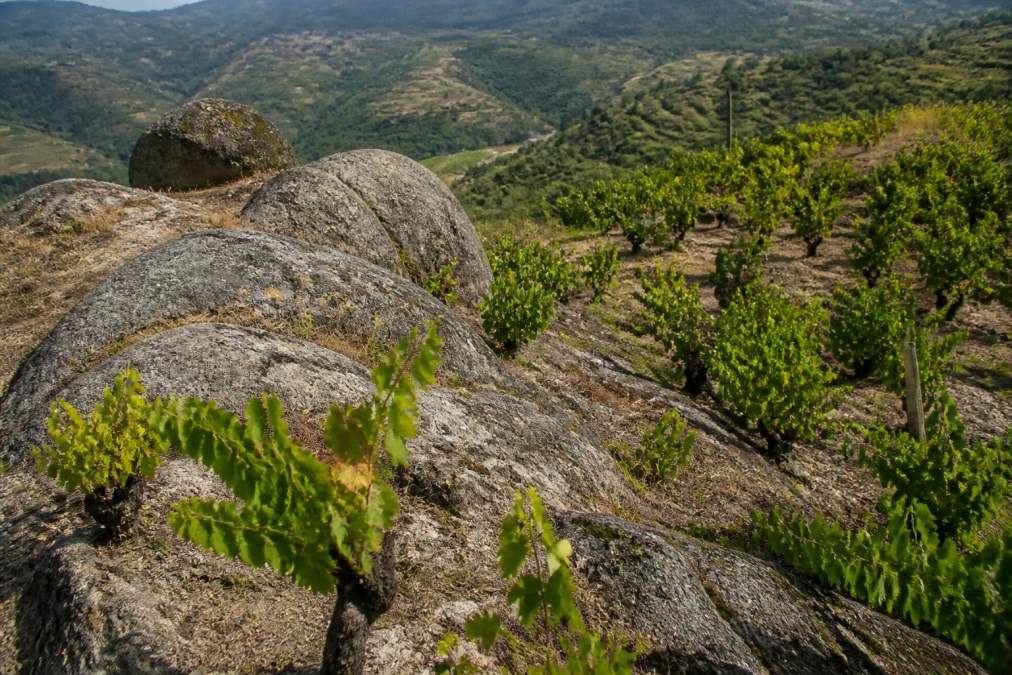
Dão experiences moderate rainfall and significant diurnal temperature variation, warm days and cool nights. This climate pattern allows grapes to develop high acidity whilst achieving full phenolic ripeness, producing grapes with balanced sugar and high acidity that yield wines with low residual sugar and pronounced dryness.
Granite soil dominates the Dão region, particularly in the Serra da Estrela subregion where Casa Américo's vineyards are located. Granite imparts distinctive mineral characteristics whilst affecting water retention and nutrient availability. The rocky, well-draining soil prevents excessive water uptake, concentrating flavours and maintaining acidity in grapes.
The combination of cool climate and granite terroir creates ideal conditions for dry wine production. Grapes maintain high acidity levels that would be lost in warmer regions, where sugar accumulates faster than acid. This fundamental advantage explains why Dão wines consistently express dry profiles, the terroir itself favours dryness.
Food Pairing Recommendations for Dão Wines
The dry profile of Dão wines makes them exceptionally versatile for food pairing. High acidity and tannin structure cut through rich dishes, whilst mineral and spice notes complement many cuisines.
Dão red wines pair brilliantly with game meats, roasted poultry, and aged cheeses. The firm tannins and dry finish work particularly well with dishes featuring herbs, mushrooms, or dark sauces. Touriga Nacional-based blends complement Portuguese cuisine naturally, roasted rabbit, grilled lamb, or traditional stews where the wine's structure enhances the dish.
Dão's crisp, dry whites excel with seafood, particularly shellfish and grilled fish. High acidity cleanses the palate between bites, whilst mineral notes echo briny, coastal flavours. These whites also work remarkably well with vegetable-forward dishes and lighter preparations where their freshness shines.
Independent restaurants benefit significantly from Dão's food-pairing versatility. A single bottle of dry Dão red can work across multiple courses and dishes, reducing wine list complexity. Casa Américo's Sonante DOP Dão Tinto at £14.00 per bottle offers excellent value for establishments seeking reliable, food-friendly wines that elevate the dining experience without premium pricing.
Sugar Content vs. Perceived Dryness in Dão
Understanding the distinction between actual sugar content and perceived dryness is essential for wine professionals. A wine can be technically dry yet taste slightly sweet, or technically dry yet taste intensely dry, depending on other factors.
Dão wines typically contain between 1-4 grams of residual sugar per litre, well below the 4-gram threshold defining "dry" by international standards. However, perceived dryness depends equally on acidity, tannins, and alcohol level.
High acidity makes wines taste drier than their residual sugar content suggests. Dão's cool climate produces grapes with natural acidity levels that persist through vinification, creating a mouth-drying sensation that reinforces the dry character.
Tannins also influence perceived dryness. The firm tannins in Dão reds create a drying sensation on the gums and tongue, contributing to the overall impression of dryness. A wine with minimal residual sugar but soft tannins might taste slightly off-dry, whereas a Dão wine with slightly higher residual sugar but pronounced tannins will taste distinctly dry.
Alcohol level affects perception as well. Lower-alcohol wines (12-13% ABV) taste crisper and drier than higher-alcohol wines (14-15% ABV). Dão's typical alcohol range of 12.5-13.5% preserves the dry profile without the softening effect of higher alcohol.
Serving Temperature and Storage Guide
Proper serving temperature and storage conditions directly affect how dry a Dão wine tastes and how well it develops over time.
Dão red wines should be served at 16-18°C for optimal flavour expression. Serving too warm softens the tannins and can make the wine taste slightly less dry. Serving too cold mutes the aromatics and can make the wine taste overly austere. The ideal temperature range preserves the wine's dry profile whilst allowing mineral and spice notes to emerge.
Dão white wines should be served at 10-12°C. This slightly warmer temperature allows mineral complexity and acidity to shine without the chill that would suppress aromatics.
Storage conditions significantly impact how Dão wines age. These wines benefit from cool, dark storage at a consistent temperature around 10-12°C. The dry profile of Dão wines makes them excellent candidates for medium-term ageing, 5-10 years for most examples. During ageing, tannins soften, acidity integrates, and secondary flavours develop, but the fundamental dry character remains unchanged.
For independent wine retailers and restaurants, understanding these serving and storage parameters ensures customers experience Dão wines as intended. Casa Américo's 2023 Sonante DOP Dão Tinto and Branco are best enjoyed within 3-5 years of vintage, served at the appropriate temperature and stored in cool conditions.
The dry profile of Dão wine isn't accidental, it's the direct result of climate, terroir, and winemaking tradition. For independent wine buyers, sommeliers, and restaurant managers, Dão represents an opportunity to source distinctive, authentic wines that deliver consistent quality and food-pairing versatility. 79North Ltd specialises in connecting UK retailers and restaurants with family-owned Dão producers like Casa Américo, offering direct access to wines that embody the region's mineral, dry character. When you're ready to explore Dão's dry profile firsthand, let's talk about how 79North Ltd can help your business stand out.
Frequently Asked Questions
Is Dão wine typically dry or sweet?
Dão wine is predominantly dry. Both red and white expressions from the region have minimal residual sugar, typically under 4 grams per litre. The high acidity and tannin structure in red Dão wines create a perception of dryness even when trace sugars remain. White Dão wines are crisp and bone-dry, making them ideal for those seeking unfortified, dry white wines with vibrant acidity.
What are the primary grape varieties used in Dão red wines?
Dão red wines are traditionally blended from Touriga Nacional, Tinta Roriz, and Jaen (also called Negra Mole). Touriga Nacional is the flagship variety, contributing deep colour, structure, and complexity. These native Portuguese grapes thrive in the region's granite soil and cool climate, producing full-bodied wines with firm tannins and blackberry and plum aromatics. Casa Américo's Sonante Tinto exemplifies this blend.
How does the climate of the Dão region influence wine dryness?
The Dão region's continental mountain climate creates cooler growing conditions and higher rainfall than warmer Portuguese regions. Grapes ripen slowly, developing balanced acidity whilst maintaining lower sugar levels naturally. This terroir prevents excessive ripeness, which would elevate residual sugar. The granite soil also influences minerality and acidity, reinforcing the dry, structured profile that defines Dão wines across both red and white styles.
Are Dão white wines dry?
Yes, Dão white wines are consistently dry. Made from Bical, Cerceal-branco, and Encruzado grapes, they exhibit crisp acidity and mineral characteristics from the region's granite terroir. These dry white wines have a vibrant palate with stone fruit and citrus notes, making them distinctive alternatives to other European dry white wines. They pair excellently with seafood and lighter dishes, offering a sophisticated profile for wine lists.
This article was written using GrandRanker