
Underrated Italian Grape Varieties for Restaurants
Last Updated: October 22, 2026
Quick Summary
Italian grape varieties like Barbera, Nero d'Avola, Vermentino, and Fiano offer restaurants genuine alternatives to mainstream wines like Pinot Grigio and Chianti. These underrated varieties deliver distinctive character, authentic storytelling, and higher margins while creating memorable experiences that differentiate your wine list.
- Barbera is approachable young with natural acidity and pairs brilliantly with rich pasta dishes, beef stews, and aged cheeses.
- Nero d'Avola from Sicily produces wines with dark plum flavours and mineral edge that pair exceptionally well with grilled meats and tomato-based sauces.
- Vermentino from Sardinia and Liguria offers crisp, mineral whites with citrus character that work with seafood and light pasta dishes.
- Training staff through tastings and using simple descriptors like bright acidity or dark plum flavours builds confidence to sell unfamiliar wines authentically.
- Offering wines by the glass in 125ml pours reduces perceived risk and increases guest willingness to try new Italian varieties.
Table of Contents
- Why Native Italian Grape Varieties Matter for Your Wine List
- Native Italian Grape Varieties Beyond the Mainstream
- Italian Wine and Food Pairing Guide for Restaurant Service
- Alternatives to Pinot Grigio Worth Stocking
- How to Sell Unfamiliar Wines in a Restaurant Setting
- Sourcing Underrated Varieties: Availability and Restaurant Buying
- Frequently Asked Questions
Why Native Italian Grape Varieties Matter for Your Wine List
Native Italian grape varieties are the backbone of authentic regional wine culture. They tell stories about terroir, climate, and centuries of winemaking tradition that mass-produced wines simply cannot match. For restaurants, stocking these varieties signals expertise to your guests and creates opportunities for higher margins and genuine differentiation.
The challenge is that many independent restaurants and wine shops default to the same handful of names: Pinot Grigio, Chianti, Prosecco. These wines are reliable, but they're also what every other establishment stocks. Your guests have tasted them before. They know the price points. There's no discovery, no conversation, no reason to order a glass instead of ordering at home.
Native Italian grape varieties change that equation. They offer genuine scarcity, authentic storytelling, and the kind of wines that make guests ask questions. At 79North Ltd, we work with small family-owned producers across Italy who grow varieties that are often new to the UK market. These aren't experimental or difficult to sell, they're simply overlooked by larger importers focused on volume.
The real opportunity lies in understanding which varieties work for your specific operation. A fine-dining restaurant needs different selections than a casual neighbourhood wine bar. Your food menu determines which grapes make sense. Your staff's comfort level with unfamiliar names shapes how you present them.
Native Italian Grape Varieties Beyond the Mainstream
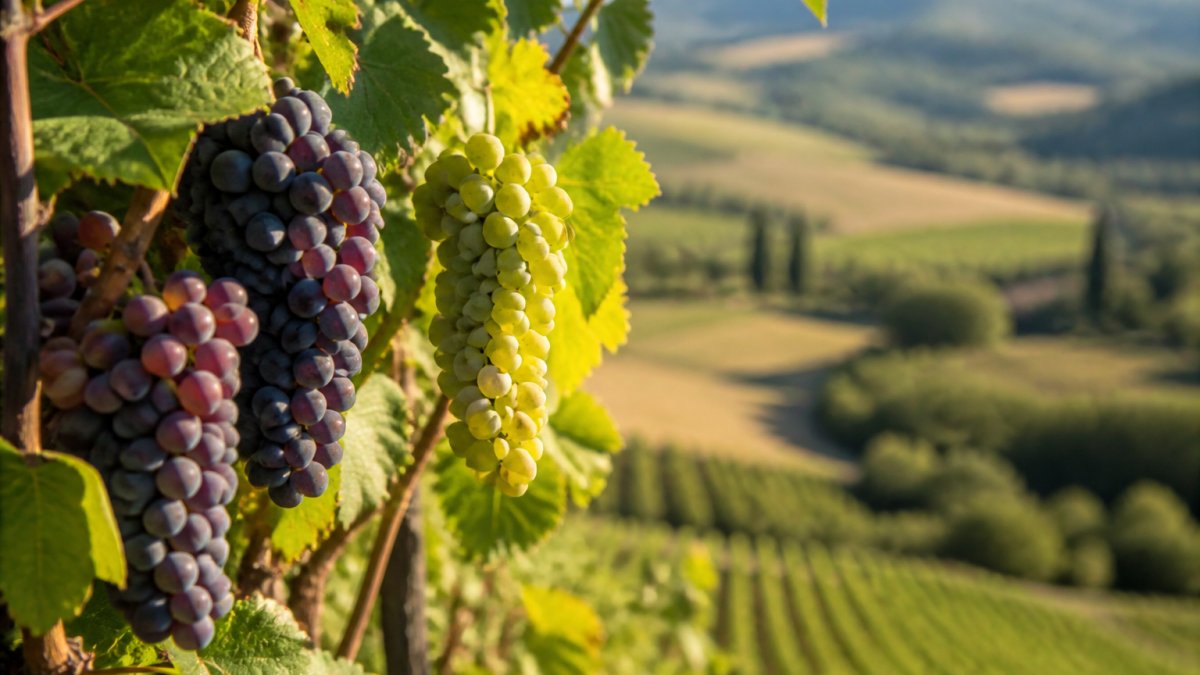
The mainstream Italian wine world is dominated by a small number of recognisable names. Barolo, Brunello, Chianti, these are the grapes restaurants reach for because they're familiar. But Italy grows hundreds of indigenous varieties, many of which are experiencing genuine revival after decades of near-extinction.
These varieties matter because they're rooted in specific places. A grape grown in one region for centuries develops characteristics that define that region's identity. When you stock these wines, you're not just offering a beverage, you're offering a direct connection to a particular landscape and winemaking philosophy. That's a story your guests will remember.
Underrated Red Grapes
Red wine drives restaurant revenue. Most lists lean heavily on Pinot Noir, Cabernet Sauvignon, or Merlot, all excellent, all widely available. But several Italian red varieties deliver complexity and character.
Barbera grows across northern Italy and produces wines with natural acidity and dark fruit character. Unlike Nebbiolo (which requires years of age to soften), Barbera is approachable young. The tannins are structured but not aggressive. Many restaurants find Barbera works brilliantly with rich pasta dishes, beef stews, and aged cheeses. It's versatile without being generic.
Nero d'Avola comes from Sicily and represents the southern Italian red revival. The grape produces wines with body, dark plum flavours, and a mineral edge that pairs exceptionally well with grilled meats and tomato-based sauces.
Aglianico grows in Campania and Basilicata and is sometimes called the "Barolo of the south." It's thick-skinned, naturally high in tannins and acidity, and ages beautifully. Young Aglianico can taste austere, it demands the right food pairing. But with lamb, game, or aged hard cheeses, it's extraordinary.
Nerello Mascalese comes from Mount Etna in Sicily and has become fashionable in recent years for good reason. The volcanic terroir produces wines with high acidity, fine tannins, and a distinctive mineral character. Etna reds are lighter-bodied than Barbera or Aglianico but more structured than Pinot Noir.
Distinctive White Grapes
White wine lists often suffer from monotony. Pinot Grigio dominates by volume. Sauvignon Blanc and Chardonnay fill the rest. Italian white varieties offer genuine alternatives that your guests won't find everywhere.
Vermentino grows in Sardinia and Liguria and produces crisp, mineral whites with citrus and stone fruit character. The grape thrives in coastal regions and reflects that maritime influence. Vermentino works with seafood, light pasta dishes, and summer vegetables.
Fiano comes from Campania and represents the white wine renaissance in southern Italy. It's more textured than Pinot Grigio, with notes of stone fruit, herbs, and sometimes honey. Fiano ages well and develops complexity over time.
Greco di Tufo also grows in Campania and produces wines with high acidity and mineral intensity. The name references ancient Greek colonisation of southern Italy. These wines have a distinctive profile, less fruit-forward than Fiano, more austere, more challenging. They work beautifully with shellfish, bitter greens, and light fish preparations.
Arneis grows in Piedmont and produces full-bodied whites with almond and pear character. Unlike many Italian whites, Arneis has natural body and texture. It's not a light aperitif wine, it's a serious white that stands up to richer dishes. Restaurants often pair Arneis with risotto, truffle-based dishes, and creamy pasta preparations.
Italian Wine and Food Pairing Guide for Restaurant Service
Selling unfamiliar wines becomes easier when your staff can confidently explain pairings. The key is moving beyond generic advice ("this pairs with fish") and offering specific guidance tied to your actual menu.
Start by mapping your dishes against grape characteristics. A tomato-based pasta needs acidity, Vermentino or Greco di Tufo work better than richer whites. A cream sauce needs texture and body, Arneis or Fiano handle that better than Pinot Grigio. Grilled meat needs tannin structure, Barbera or Nero d'Avola provide that without the weight of Barolo.
Train your team to use simple descriptors that guests understand.
Offer tastings to staff during service. Let them experience the wines alongside your actual dishes. This creates confidence. When a server has tasted Barbera with your beef ragu, they can speak about it authentically. That authenticity transfers to guests.
Consider offering smaller pours of unfamiliar wines. A 125ml glass is less intimidating than a full pour when a guest is trying something new. It reduces perceived risk and increases willingness to experiment. Many restaurants find that guests who try a wine by the glass then order a bottle the next visit.
Alternatives to Pinot Grigio Worth Stocking
Pinot Grigio dominates wine lists because it's safe. It's neutral. It offends no one. But that's precisely why it's unremarkable. Your guests can order Pinot Grigio anywhere.
Vermentino delivers more character than Pinot Grigio at similar price points. The mineral edge and citrus intensity make it interesting. Guests notice the difference. It's approachable enough for everyday drinkers but distinctive enough for wine enthusiasts.
Soave comes from Veneto and uses the Garganega grape. Traditional Soave is crisp and mineral-driven, with almond and green apple character. Modern producers have elevated quality significantly. A good Soave offers more complexity than Pinot Grigio without being intimidating.
Frascati grows near Rome and produces whites from Malvasia and Trebbiano grapes. These are historic wines with genuine regional identity. Frascati is fresh, herbaceous, and mineral. It's a conversation starter, guests ask about it because they've never encountered it before.
Gavi comes from Piedmont and uses the Cortese grape. It's drier and more structured than Pinot Grigio, with citrus and mineral character. Gavi works beautifully with seafood and lighter dishes. It's sophisticated without being pretentious.
The pattern is clear: each of these alternatives offers something Pinot Grigio doesn't. Character. Story. Distinction. For restaurants building a wine list that reflects genuine knowledge rather than default choices, these alternatives are essential.
How to Sell Unfamiliar Wines in a Restaurant Setting
The biggest barrier to selling underrated Italian varieties isn't the wines themselves, it's staff confidence and guest perception. Here's how to overcome both.
Educate your team first. Staff who understand a wine can sell it. Staff who don't understand it will default to recommending familiar options. Spend time tasting together. Discuss the grape, the region, the flavour profile.
Use descriptive language that guests understand. Avoid technical jargon.
Offer wines by the glass strategically. By-the-glass offerings create low-risk opportunities for guests to try new things. A guest hesitant to order a full bottle of unfamiliar Barbera might happily try a 125ml glass.
Create a narrative around each wine. Guests buy stories as much as they buy wine.
Price unfamiliar wines competitively. Guests expect to pay less for wines they don't recognise. Price a lesser-known Barbera more aggressively than a famous Barolo at similar quality. The lower price point removes perceived risk.
Use wine lists strategically. Group wines by style rather than region or price. A section titled "Crisp, Mineral Whites" or "Structured Reds with Dark Fruit" helps guests navigate unfamiliar names. Include tasting notes that are specific and honest.
Sourcing Underrated Varieties: Availability and Restaurant Buying
The challenge with underrated Italian varieties is availability. They're not stocked by mainstream distributors. You can't walk into a cash-and-carry and find Nero d'Avola or Greco di Tufo in quantity.
This is where working with dedicated importers becomes essential. At 79North Ltd, we represent small family-owned producers across Italy who specialise in native varieties. We handle the sourcing, the logistics, the regulatory compliance.
When evaluating suppliers, ask specific questions:
- Consistency: Can they guarantee supply across multiple orders? What happens if a producer runs out mid-season?
- Minimum orders: Do they require large volume commitments, or can they work with independent restaurants ordering modest quantities?
- Support: Will they provide tasting notes, staff training, or promotional materials to help you sell the wines?
- Pricing: How transparent is their pricing structure? Are there quantity discounts that reward loyalty?
- Flexibility: Can they accommodate special requests, smaller formats, different producers, experimental varieties?
Smaller importers like 79North Ltd often work more flexibly with independent restaurants than larger distributors. We understand that a 20-table restaurant can't commit to 50 cases of a single wine. We can work with modest orders.
Consider building relationships with 2-3 importers rather than relying on a single source. Diversification reduces risk if one supplier faces supply issues. It also exposes you to different producers and perspectives.
Selling unfamiliar wines requires confidence, and confidence comes from knowing the product. The underrated Italian grape varieties covered here represent genuine quality at accessible price points. They differentiate your wine list. They create conversations with guests. They deliver margins that mainstream wines don't.
The challenge isn't finding these wines, it's sourcing them reliably and training your team to sell them authentically. At 79North Ltd, we've built relationships with producers across Italy who grow these varieties with care and commitment.
Frequently Asked Questions
What are some lesser-known Italian grape varieties worth adding to a restaurant wine list?
Varieties like Nerello Mascalese from Sicily, Barbera d'Alba from Piedmont, and Vermentino from Sardinia offer distinctive character and terroir expression. Fiano and Greco di Tufo deliver complexity that rivals mainstream whites. These native Italian grape varieties provide excellent value and give guests a genuine discovery experience, differentiating your list from competitors stocking predictable selections.
How do I approach selling unfamiliar Italian wines to restaurant guests?
Lead with the story and place, not the grape name. Describe the region's character, the wine's aroma and food-friendly structure, and a specific pairing from your menu. Train staff to offer these as by-the-glass options so guests can taste without committing to a full bottle. Pronunciation guides help staff feel confident. When you position unfamiliar wines as curated discoveries rather than obscure choices, guests respond positively and often ask for them again.
Which Italian grape varieties offer the best alternatives to Pinot Grigio?
Vermentino delivers similar crispness with more mineral character and body. Greco di Tufo provides greater complexity and food versatility. Fiano offers richer texture while maintaining freshness. These alternatives to Pinot Grigio appeal to guests seeking something distinctive without sacrificing the clean, food-friendly profile they expect from white wine service.
Are lesser-known Italian wines genuinely better value for restaurants?
Yes, when sourced directly through specialist importers. Guests perceive these wines as premium discoveries rather than budget options, allowing you to price them competitively while maintaining profitability. The key is reliable sourcing from importers with established relationships to these producers.