
Sourcing Native Grape Varieties for Menus: A Restaurant Guide
Table of Contents
- What Are Native Grape Varieties and Why They Matter for Your Menu
- Understanding Terroir and Tasting Profiles of Native Varieties
- Finding Reliable Suppliers: Your Step-by-Step Sourcing Strategy
- Wine List Development for Restaurants UK: Integrating Native Varieties
- Food and Wine Pairing English Wines with Native Grape Varieties
- Sustainable Wine Sourcing UK: Heritage and Conservation
- English Wine Producers and Regional Spotlights
- Common Mistakes When Sourcing Native Grape Varieties
Sourcing Native Grape Varieties for Menus: A Restaurant Guide
Last Updated: July 28, 2026
What Are Native Grape Varieties and Why They Matter for Your Menu
Native grape varieties, indigenous, heritage, or traditional cultivars, have developed their character within specific geographic regions over centuries. They're not the Cabernet Sauvignon or Chardonnay found on every wine list, but varieties like Jampal from Portugal's Douro Valley or Nero d'Avola from Sicily. These grapes carry terroir in ways international varieties often don't, having adapted to their specific soil, climate, and altitude.
The business case is straightforward: wine lists built around familiar names feel interchangeable. Introduce a native variety with proper storytelling, "This Portuguese red comes from a 40-year-old vineyard in the Douro, using the Jampal grape grown there since the 1800s", and your wine programme becomes a conversation piece. That distinction drives higher average spend per bottle and creates loyalty among customers who value authenticity.
Indigenous vs. International Varieties: Key Differences
Indigenous varieties originated and developed their character within a specific appellation or region. Jampal thrives in Portugal's Douro Valley because the climate, soil, and altitude suit it perfectly. Nebbiolo produces its distinctive structure in Piedmont, not elsewhere.
International varieties, by contrast, travel well and perform consistently across different terroirs. Cabernet Sauvignon grows successfully in Bordeaux, Napa Valley, and Margaret River. This adaptability makes them valuable for large-scale production, but they taste relatively familiar regardless of origin.
For restaurant sourcing, native varieties offer real advantages: they often come from smaller producers focused on quality over volume, they're typically less available in the UK market (creating genuine differentiation), supply chains are shorter and more direct, and the storytelling is built in. A wine made from Jampal already has a narrative your team simply needs to learn and share.
Understanding Terroir and Tasting Profiles of Native Varieties
Terroir, how a wine's environment shapes its character, is where native grape varieties truly shine. These cultivars have developed their sensory identity in response to specific conditions: mineral content of soil, sunlight exposure, cooling effects of altitude or water, and surrounding microclimates.
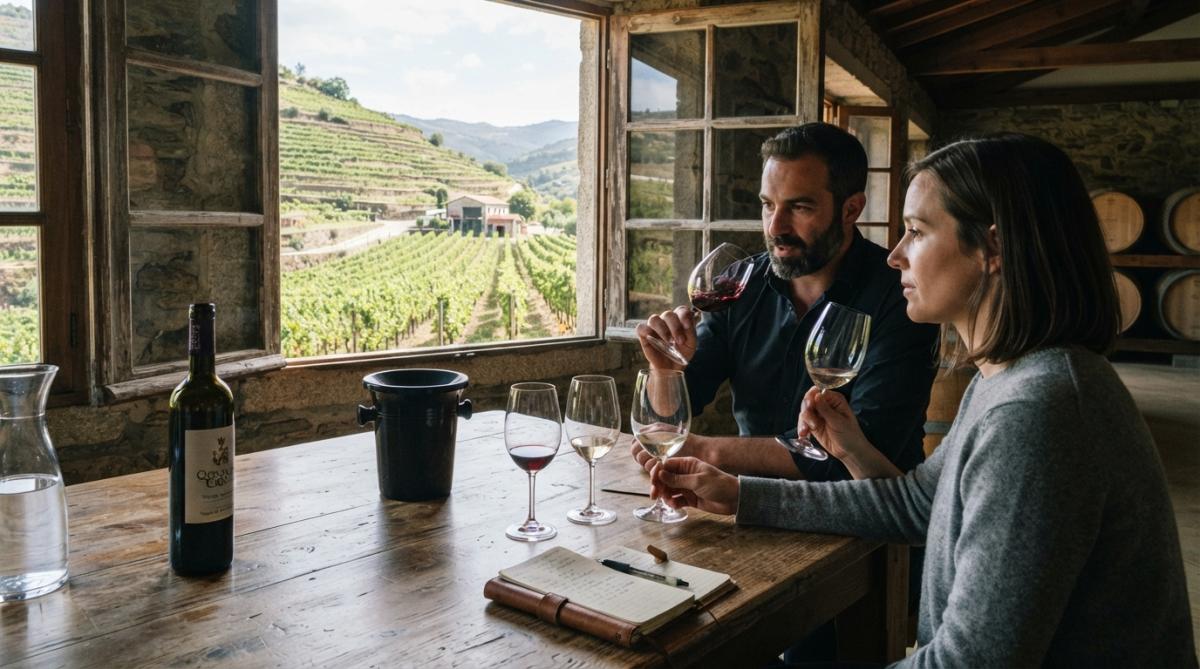
How Cultivar and Geography Shape Flavour
The relationship between grape variety and geography determines the final tasting profile more than almost any other factor. A Nebbiolo grown in Barolo, where elevation and limestone soils predominate, develops different tannin structures and aromatics than the same variety grown at lower altitude. This specificity justifies premium pricing on your menu and gives your sommelier genuine material to discuss with customers.
Geography also affects which native varieties work for your restaurant's cuisine. Italian Piedmont produces varieties suited to rich meat dishes and umami-forward preparations. Portuguese Douro Valley wines tend toward freshness and acidity that pair beautifully with seafood. Spanish Priorat natives offer power and complexity for bold, spiced foods.
Sensory Characteristics That Sell
Native grape varieties often exhibit sensory characteristics that distinguish them immediately from international alternatives. Many show pronounced minerality, a saline, chalky, or flinty quality reflecting the soil. A Vermentino from Sardinia displays distinct mineral notes; a Nero d'Avola from Sicily shows dark fruit complexity with peppery spice.
Acidity levels vary significantly across native varieties, affecting how they pair with food. Some heritage cultivars from cooler regions develop bright, crisp acidity that cuts through rich dishes beautifully. Others from warmer zones show riper fruit profiles balanced by tannin structure. Understanding these profiles helps you position wines correctly on your menu.
The tannin structure of native red varieties often differs from international standards. Many heritage cultivars develop softer, more integrated tannins over time, making them approachable younger than a young Cabernet Sauvignon. This affects your inventory strategy, you can stock native reds with shorter bottle age and still offer refined, balanced wines.
Finding Reliable Suppliers: Your Step-by-Step Sourcing Strategy
Sourcing native grape varieties requires a different approach than ordering from established distributors. You're working with smaller producers, navigating import logistics, and building relationships with importers who specialise in discovery rather than volume.
Vetting Importers and Direct Producers
Your first decision is whether to work with a specialist importer or approach producers directly. Specialist importers like 79North Ltd bridge the gap between small European producers and UK hospitality businesses. They've handled import paperwork, customs clearance, and quality verification. They understand UK regulations around wine labelling and can offer consistent supply and logistics.
Vetting an importer means asking: How long have they worked with their producers? Can they provide references from other UK restaurants? What happens if a wine becomes unavailable? What's their minimum order quantity? Do they provide training or tasting notes for your team?
Direct relationships with producers are possible but require more groundwork: navigating import duties, customs documentation, language barriers, and potentially higher minimum order quantities. However, you'll develop direct relationships and potentially access limited-production wines that importers might not stock. Most restaurants find a hybrid approach works best: work with a specialist importer for core native varieties while occasionally sourcing directly from producers discovered at trade tastings.
Assessing Supply Reliability and Minimum Orders
Before committing to any native grape variety on your wine list, confirm that supply will be consistent. Ask your importer or producer:
- How many bottles does this wine produce annually?
- What's the minimum order quantity?
- How often can you reorder?
- What's the lead time from order to delivery?
- Do you have a waitlist or allocation system if demand exceeds supply?
A common mistake is underestimating how much wine you'll sell once customers discover something genuinely distinctive. You need supply agreements that allow you to reorder quickly without waiting months for the next vintage. If a producer requires orders of 24 bottles per SKU and you're a 60-seat restaurant, that's a serious inventory commitment. Some importers can aggregate orders from multiple restaurants to meet producer minimums, a valuable service worth paying for.
Wine List Development for Restaurants UK: Integrating Native Varieties
Integrating native grape varieties requires thoughtful placement, storytelling, and pricing strategy. You're repositioning your wine programme as a curated selection reflecting your restaurant's values.
Menu Placement and Storytelling Strategies
Where you place native varieties signals their importance. If buried in a "By Region" section at the back, customers will overlook them. Many successful restaurants create a dedicated section titled "Heritage Varieties," "Indigenous Grapes," or "Wines Worth Discovering." This signals these wines are special, not an afterthought.
Storytelling is essential. A wine list entry reading "Jampal, Douro Valley, 2021, A heritage Portuguese variety grown on steep terraces for over 150 years. Shows dark cherry, slate minerality, and peppery spice. Pairs beautifully with aged cheese and cured meats" educates and justifies the price.
Your team's knowledge matters enormously. Train staff on basics: Where do these grapes come from? What's distinctive about them? What foods pair well? When a server speaks authentically about why a wine is worth trying, customers become more adventurous.
Balancing Cost and Margin with Premium Native Wines
Native grape varieties from small producers typically cost more than equivalent international varieties. Most restaurants aim for a 2.5x to 3x markup on wine. Native varieties often cost £15-£20 at wholesale, meaning retail pricing of £37-£60. This is premium positioning and needs justification on your list.
Position native varieties as premium offerings, not replacements for everyday wines. Your list should offer a range: accessible everyday wines at moderate markups, and distinctive premium selections, including native varieties, at higher price points. This gives customers choice while maintaining healthy margins.
By-the-glass offerings work well for native varieties. A customer might hesitate to commit £45 to an unfamiliar Portuguese wine but will happily spend £9 for a 150ml glass. This builds familiarity and creates repeat orders for full bottles.
Food and Wine Pairing English Wines with Native Grape Varieties
The relationship between native grape varieties and regional cuisines creates natural pairing opportunities that feel authentic. When you source wines from a specific region, you're sourcing wines paired with that region's food for generations.
Regional Cuisine Pairings: Italy and Portugal Examples
Italian native varieties offer compelling pairing opportunities. Nebbiolo from Piedmont, with its structured tannins and dark cherry aromatics, pairs exceptionally well with rich meat dishes, aged cheeses, and umami-forward preparations like mushroom risotto. If your kitchen leans toward Northern Italian cuisine, sourcing Nebbiolo makes intuitive sense.
Nero d'Avola from Sicily shows dark fruit, peppery spice, and moderate tannins that work beautifully with Mediterranean preparations: grilled vegetables, seafood with tomato-based sauces, lamb with herbs. The wine's origin and the food's origin align naturally, creating a narrative that helps customers understand the pairing.
Portuguese native varieties offer different opportunities. Touriga Nacional, grown in the Douro Valley, shows dark fruit, floral notes, and structured tannins. It pairs well with cured meats, aged cheeses, and rich meat dishes, but also works with moderately spiced foods and bold preparations.
For restaurants with English or modern European menus, native varieties from cooler regions offer flexibility. Vermentino from Sardinia, with its bright acidity and mineral character, pairs well with seafood, light pasta dishes, and fresh vegetable preparations.
Sustainable Wine Sourcing UK: Heritage and Conservation
The wine industry's sustainability story increasingly centres on native grape varieties and biodiversity. When you source wines made from heritage cultivars, you're often supporting vineyard practices that prioritise conservation and environmental stewardship.
Biodiversity and Vineyard Management Practices
Many small producers of native grape varieties practice sustainable or organic viticulture by necessity. Without resources for intensive chemical interventions, they manage vineyards using traditional methods: careful pruning, hand harvesting, selective use of natural treatments. This preserves biodiversity, soil health, surrounding ecosystems, and the genetic diversity of the vines themselves.
Native grape varieties represent genetic heritage refined over centuries to suit specific environments. When you source wines made from heritage varieties, you support preservation of that genetic diversity. This matters for long-term resilience of viticulture as climate patterns shift.
When vetting producers, ask about vineyard practices: Do they use pesticides? Do they practice cover cropping or composting? Are they certified organic or biodynamic? These details matter both for wine quality and your ability to tell the sustainability story to customers.
English Wine Producers and Regional Spotlights
Understanding native varieties globally helps you appreciate what makes European options distinctive.
Emerging Native Varietals from Portugal and Italy
Portugal's Douro Valley has experienced a renaissance, with producers rediscovering heritage varieties that had fallen out of favour. Jampal, Touriga Nacional, and Tinta Roriz are gaining international recognition, producing wines with distinctive character, dark fruit, structured tannins, and mineral complexity reflecting the Douro's steep terraces and schist soils.
Italian producers, particularly in Piedmont, Sicily, and Sardinia, have never abandoned their native varieties. Nebbiolo, Nero d'Avola, Vermentino, and Barbera represent centuries of viticultural tradition and are experiencing renewed interest in the UK market.
What makes these regions particularly interesting is the combination of heritage and innovation. Producers use traditional viticulture while applying modern winemaking techniques, experimenting with fermentation approaches and oak aging while remaining committed to native varieties. This balance creates wines that feel both traditional and contemporary.
Common Mistakes When Sourcing Native Grape Varieties
Understanding what goes wrong helps you avoid pitfalls that derail many restaurants' attempts to build distinctive wine programmes.
The first mistake is sourcing without understanding your market. Native varieties are distinctive, but not every diner will embrace them immediately. Build your programme gradually, maintaining some familiar options while introducing native varieties alongside them.
The second mistake is inadequate staff training. A wine list featuring native varieties is only valuable if your team can speak knowledgeably about them. Invest in tasting sessions for your staff and ensure everyone can speak authentically about why these wines matter.
The third mistake is inconsistent supply. Feature a wine prominently, customers request it regularly, then it becomes unavailable. Before adding any native variety to your permanent wine list, confirm you can maintain consistent supply.
The fourth mistake is poor positioning. Native varieties often cost more than mainstream alternatives. Create a narrative around these wines, their origin, distinctive character, pairing potential, to make premium pricing feel earned.
The fifth mistake is neglecting by-the-glass service. Many diners hesitate to commit £40-£60 to an unfamiliar wine. Offering native varieties by the glass at accessible price points allows customers to try them without significant risk, building familiarity and creating repeat orders.
Sourcing native grape varieties for menus represents a significant opportunity for restaurants and wine retailers looking to differentiate themselves in a competitive market. The challenge is building a sustainable sourcing strategy that balances supply reliability, pricing, and customer education. At 79North Ltd, we work directly with small producers across Portugal and Italy to bring heritage varieties to UK hospitality businesses. We handle import logistics, quality verification, and provide training for your team. Whether you're building a wine programme from scratch or expanding an existing list, we can help you source distinctive native varieties that become conversation pieces and customer magnets. Let's talk about how native grape varieties can elevate your wine programme.
Frequently Asked Questions
What is the difference between native, indigenous, and international grape varieties?
Native (or indigenous) grape varieties are cultivars traditionally grown in specific regions, shaped by local terroir and viticulture practices. International varieties like Cabernet Sauvignon and Chardonnay are widely planted across multiple countries. Native varieties often have deeper cultural significance and unique tasting profiles tied to their geographic origin, making them distinctive for menus. When sourcing native grape varieties for menus, you're sourcing wines with heritage and regional identity that international standards cannot replicate.
How do I know small Portuguese and Italian wine producers are reliable for restaurant supply?
Work with established importers who vet producers directly and maintain ongoing relationships. Ask potential suppliers about their producer relationships, how long they've worked together, and what happens if supply is interrupted. Request references from other UK restaurants or retailers already stocking their wines. Check whether the importer carries insurance and has documented agreements with producers. Reliable importers will provide transparency about vineyard management, production volumes, and supply commitments, key indicators of a stable partnership.
What challenges might I face when sourcing native grape varieties for my menu?
Common challenges include limited supply volumes (small family producers often have finite stock), higher unit costs than mass-produced international varieties, customer unfamiliarity requiring menu education, and potential supply gaps if a vintage is poor. Customs and logistics can add complexity, though working with a UK importer removes most paperwork burden. Menu space is limited, so native varieties must compete for placement. Plan for sommelier training to confidently describe terroir, cultivar characteristics, and food pairings, this investment pays dividends in customer engagement and sales.
How should I price native grape varieties to balance margin with customer appeal?
Native varieties typically command premium pricing due to scarcity and storytelling value. Calculate your cost of goods, desired margin (typically 60-100% markup for restaurants), and competitive positioning. Use menu placement and sommelier guidance to justify higher prices, customers will pay more when they understand the wine's heritage and uniqueness. Consider offering a native variety at multiple price points (e.g., one entry-level, one premium) to capture different spending levels. Monitor sell-through rates; if a wine isn't moving, adjust pricing or rotate it off the list rather than discounting, which erodes perceived value.
This article was written using GrandRanker