
Veneto Wine Pairing Guide for Italian Restaurants
Table of Contents
- Understanding Veneto Wine Pairing Principles
- Soave Food Pairing for Light Pasta and Seafood Dishes
- Valpolicella Food Pairing for Meat Sauces and Roasts
- Amarone Food Pairing for Complex, Intense Dishes
- Prosecco Food Pairing for Aperitivo and Light Courses
- Building a Complete Menu Pairing Strategy
- Practical Service Guidance for Restaurant Teams
- Conclusion
- Frequently Asked Questions
Last Updated: October 6, 2026
Understanding Veneto Wine Pairing Principles
Veneto wine pairing starts with three core elements: acidity, body, and tannins. These determine how a wine complements food.
Acidity cuts through rich dishes and cleanses the palate between bites. Body refers to how light or full the wine feels in your mouth. Tannins are compounds that create a drying sensation, typically found in red wines.
A simple framework guides most pairings: match wine intensity to food intensity. Light pasta dishes pair with crisp whites; rich meat sauces need fuller reds.
How acidity, body and tannins shape food matches
Acidity is your most powerful pairing tool. High-acidity wines work with acidic foods like tomato-based sauces and cut through fatty dishes.
Body matters for balance: a delicate white disappears alongside a heavy risotto, while a full-bodied red overwhelms light seafood pasta.
Tannins pair well with protein and fat, binding with compounds in meat to create a pleasant rather than harsh sensation.
Building pairings by sauce intensity and preparation
Sauce intensity drives most pairing decisions. A light butter sauce needs a different wine than a beef ragù simmered for hours.
Start by evaluating the sauce:
- Light sauces (butter, cream, white wine) → crisp whites
- Tomato-based sauces → medium-bodied reds with acidity
- Rich meat sauces → full-bodied reds with structure
Preparation matters too: pan-seared dishes develop deeper flavours than poached ones, and roasting intensifies flavour more than braising.
At 79North Ltd, we work with independent restaurants to build pairing strategies that match their specific menu.
Soave Food Pairing for Light Pasta and Seafood Dishes
Soave is a crisp white from Veneto made primarily from Garganega grapes, with bright acidity, light body, and citrus or almond notes, ideal for delicate dishes.
Soave works best when the dish doesn't overpower it; rich, heavy sauces bury its subtle flavours.
Matching Soave with white sauces and fresh herbs
Soave pairs beautifully with cream-based sauces: its acidity cuts through richness while its body stays proportional.
Recommended pairings for white sauces:
- Fettuccine Alfredo → Soave's acidity balances the heavy cream
- Pasta with butter and sage → The wine complements herbaceous notes
- Seafood in white wine sauce → Matching wines create harmony
Fresh herbs elevate Soave pairings, parsley, basil, and tarragon share the wine's herbaceous character.
Avoid pairing Soave with very rich dishes. A heavy cream sauce with egg yolk overpowers the wine, so the drinker tastes only the food.
Soave with seafood pasta and risotto
Seafood and Soave are natural partners. The wine's mineral notes echo the sea. Acidity cleanses the palate between bites of delicate fish.
Seafood pasta pairings that work:
- Spaghetti alle vongole (clam pasta) → Soave's salinity matches the clams
- Linguine with prawns → Light wine doesn't compete with seafood
- Pasta con le sarde (sardine pasta) → Acidity cuts through olive oil
- Seafood risotto → Wine's body matches the creamy base
Risotto's creaminess requires acidity to balance, and Soave delivers it without overwhelming delicate flavours.
When serving Soave with risotto, use light broths: a seafood or vegetable risotto works better than a meat-based one.
Valpolicella Food Pairing for Meat Sauces and Roasts
Valpolicella is a medium-bodied red from Veneto with moderate tannins and bright acidity. Its cherry and herbal notes complement meat dishes without the heaviness of fuller reds.
Valpolicella bridges light and heavy wines, suiting moderately rich dishes that need more structure than Soave but less intensity than Amarone.
Valpolicella with beef ragù and rich pasta dishes
Beef ragù is Valpolicella's ideal partner: tannins bind with the meat's proteins and acidity cuts through the sauce's richness.
Ragù pairings to recommend:
- Tagliatelle al ragù Bolognese → Classic match with perfect balance
- Pappardelle with wild boar ragù → Wine handles the game's intensity
- Lasagna Bolognese → Valpolicella's body suits layered richness
- Rigatoni with beef and tomato ragù → Acidity complements tomato
Sauce simmering time is key: a ragù cooked for three hours develops deeper flavours than one simmered for 45 minutes, calling for slightly fuller Valpolicella.
Avoid pairing Valpolicella with delicate seafood, its tannins clash with fish and taste metallic. Reserve it for meat-forward dishes.
Valpolicella with roasted meats and steak
Roasted meats bring out Valpolicella's best qualities: moderate tannins match the meat's texture and acidity cleanses the palate.
Roast pairings worth offering:
- Roasted chicken with herbs → Wine's herbaceous notes align with seasoning
- Roasted lamb → Tannins complement the meat's richness
- Roasted pork → Wine's acidity balances the fat
- Grilled steak → Medium body suits medium-cooked meat
For steak, Valpolicella works best with leaner or medium-thickness cuts; thicker, fattier cuts need fuller reds like Amarone.
Cooking method affects the pairing: pan-seared meat develops a flavourful crust, while braised meat becomes softer and richer.
Amarone Food Pairing for Complex, Intense Dishes
Amarone della Valpolicella is a full-bodied red made from partially dried grapes, with high alcohol, concentrated flavours, and significant tannins. It suits only the most intense dishes.
Amarone is a special-occasion pairing for dishes that demand its power and complexity.
Amarone with risotto all'Amarone and game
Risotto all'Amarone is Amarone's signature pairing: the dish uses the wine in cooking, and its richness matches the risotto's creaminess.
Amarone pairings for special occasions:
- Risotto all'Amarone → The classic, inseparable pairing
- Wild boar stew → Game's intensity matches wine's power
- Venison with cherry sauce → Wine's concentrated fruit complements game
- Braised beef cheeks → Long cooking creates matching complexity
Game dishes work exceptionally well with Amarone. Wild boar, venison, and pheasant need a wine of equal intensity; lighter wines disappear, but Amarone stands its ground.
Preparation matters: slow-braised game develops deeper flavours than quickly seared, justifying Amarone's intensity.
Amarone as a standalone course or with aged cheese
Amarone works as a meditation wine: serve it on its own and let guests experience its complexity.
Cheese pairings for Amarone:
- Aged Parmigiano-Reggiano → Wine's tannins match cheese's crystalline texture
- Aged Asiago → Full-bodied wine suits the cheese's complexity
- Grana Padano → Similar intensity creates balanced pairing
Aged cheeses are essential for Amarone. Young, soft cheeses are overwhelmed. The wine needs cheese with equal intensity and structure.
Serving Amarone as a dessert wine is unconventional but effective. Its slight sweetness from the dried grapes complements rich chocolate desserts.
Prosecco Food Pairing for Aperitivo and Light Courses
Prosecco is a sparkling white from Veneto made with the Glera grape. It's light, refreshing, and versatile. Bubbles make it work with foods that still wines struggle with.
Prosecco's versatility comes from carbonation. Bubbles cleanse the palate constantly. Acidity is high. Body is light. This combination suits appetisers and casual dishes.
Prosecco with pizza, antipasti and starters
Prosecco is the aperitivo wine of choice, opening meals and preparing the palate for courses to follow.
Pairing recommendations for aperitivo:
- Pizza Margherita → Bubbles cut through cheese and tomato
- Bruschetta with tomato → Acidity matches the topping
- Cured meats and cheese board → Wine's refreshment balances richness
- Fried vegetables → Bubbles cleanse after each bite
- Seafood antipasti → Wine's salinity echoes the sea These classic pairings serve as a foundation for exploring the deeper culinary traditions found during regional food tours.
Pizza challenges still wines because tomato sauce and melted cheese create richness; Prosecco's bubbles solve this, refreshing the palate with each sip.
Antipasti boards benefit from Prosecco's versatility: it works with salty cured meats, tangy cheeses, and briny vegetables, where no single still wine would.
Prosecco throughout the meal as a palate cleanser
Prosecco also serves a functional role between courses, cleansing the palate and preparing diners for what's next.
Strategic Prosecco service:
- Before the meal → Opens the palate
- Between courses → Resets taste buds
- With light second courses → Complements delicate dishes
This works well in tasting menus: a guest might taste Prosecco, then Soave with seafood, then Valpolicella with pasta, then return to Prosecco before dessert.
Manage expectations: Prosecco is a refreshment and a celebration, not a serious wine for serious courses. Position it accordingly on your wine list.
Building a Complete Menu Pairing Strategy
A complete pairing strategy guides guests through the entire meal, from aperitivo to after-dinner drinks, with each wine preparing the palate for the next course.
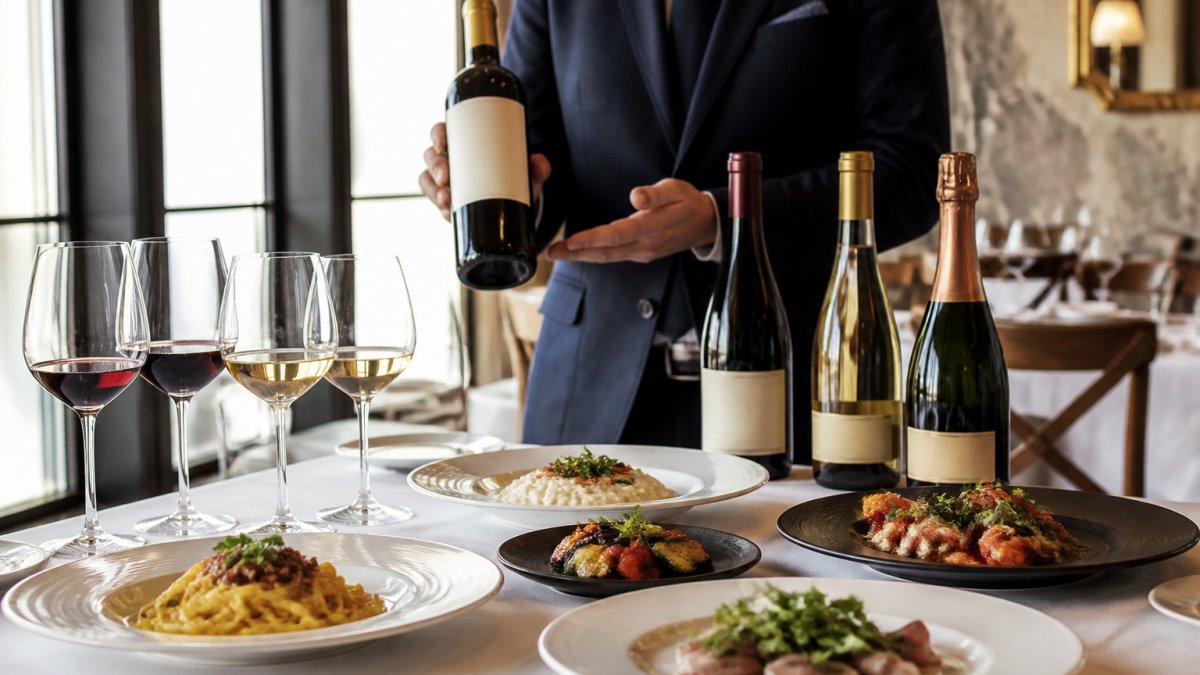
Structuring pairings from aperitivo through dessert
Begin with Prosecco. Its bubbles open the palate and set a celebratory tone.
Progress to Valpolicella with the main course: meat sauces and roasted dishes suit its medium body.
For special occasions, offer Amarone as a separate course with aged cheese or alone, a memorable moment.
Consider a dessert wine or a return to Prosecco to round out the experience.
Offering alternatives for different appetites and budgets
Not every guest wants a full pairing. Some prefer lighter wines. Others have budget constraints. Offer flexibility.
Create tiered pairing options:
- Budget-conscious: Prosecco throughout, with one Valpolicella for the main course
- Standard: Prosecco, Soave, Valpolicella, dessert wine
- Premium: Add Amarone as a special course
This accommodates different preferences without forcing unwanted purchases.
At 79North Ltd, we help independent restaurants develop pairing strategies that showcase Veneto wines while respecting guest budgets.
Communicate clearly on your wine list: describe each pairing's purpose and explain why certain wines match certain dishes.
Practical Service Guidance for Restaurant Teams
Staff confidence drives wine sales: when your team understands pairings, they recommend with conviction, and guests respond positively.
Training staff to recommend pairings confidently
Start with fundamentals: teach your team the three core elements, acidity, body, and tannins.
Create simple pairing cards for each wine. Include:
- Wine name and style
- Recommended dishes
- Key flavours
Role-play recommendations. Have staff practice suggesting wines to each other. Build confidence through repetition.
Encourage staff to taste the wines: a server who's tasted Valpolicella can describe it authentically.
Simple recommendation phrases:
- "This wine pairs beautifully with that dish because..."
- "If you enjoy [wine style], you might like this one..."
- "This wine would complement your meal perfectly..."
Avoid jargon: guests care about whether the wine tastes good with their food, not technical details.
Serving temperatures and glassware for Veneto wines
Temperature affects how wine tastes, so serve each Veneto wine correctly for optimal flavour.
Veneto wine serving guidelines:
- Prosecco: 6-8°C (chill thoroughly before serving)
- Soave: 8-10°C (serve cold but not ice-cold)
- Valpolicella: 14-16°C (room temperature or slightly cool)
Use appropriate glassware. Wine glasses matter more than most people realise.
Glassware recommendations:
- Prosecco: Flute glass (preserves bubbles)
- Soave: White wine glass (allows aromas to develop)
- Valpolicella: Red wine glass (larger bowl allows breathing)
Chill white wines properly with a cooler or ice bucket; the freezer chills unevenly and risks freezing.
Decant Amarone 15-20 minutes before serving to open its complex flavours.
Conclusion
Veneto wine pairing transforms how guests experience Italian food.
A structured pairing strategy builds guest loyalty: when diners taste how perfectly a wine matches their food, they return.
At 79North Ltd, we represent innovative family-owned producers from Portugal and Italy who craft wines worthy of your restaurant's menu.
Let's talk about building a Veneto wine program that elevates your guests' experience.
| Wine | Best For | Serving Temperature | Key Characteristic |
|---|---|---|---|
| Prosecco | Aperitivo, light starters | 6-8°C | Refreshing bubbles |
| Soave | Seafood, light pasta | 8-10°C | Crisp acidity |
| Valpolicella | Meat sauces, roasts | 14-16°C | Medium body, balanced |
| Amarone | Game, aged cheese | 16-18°C | Full-bodied, complex |
Frequently Asked Questions
What is the best Veneto wine to serve with pasta?
The best choice depends on the sauce. Soave pairs beautifully with light cream and seafood sauces, while Valpolicella complements beef ragù and tomato-based dishes. Amarone works for richer, more intense pasta preparations. Match the wine's body and acidity to the sauce's weight and flavour profile rather than the pasta shape alone.
Which Veneto wines pair well with seafood?
Soave is the classic choice for seafood dishes, offering bright acidity and mineral notes that complement fish and shellfish. For richer seafood preparations like lobster risotto, consider a fuller-bodied Soave or a lighter Valpolicella. Prosecco also works well as an aperitivo before seafood courses, cleansing the palate between dishes.
How should an Italian restaurant pair wine with a multi-course menu?
Begin with Prosecco or light white wine for antipasti and starters. Progress to Soave for pasta courses with light sauces, then move to Valpolicella for meat dishes and richer preparations. Reserve Amarone for complex main courses or serve it as a standalone course with cheese. This progression respects both the wine's intensity and the diner's palate development throughout the meal.
Do Italians drink red or white wine with pasta?
Both are traditional in Veneto cuisine, depending on the sauce. White wines like Soave suit light, delicate sauces and seafood pastas. Red wines, particularly Valpolicella, pair with meat sauces and tomato-based dishes. The sauce type and preparation method matter more than the pasta itself. Veneto dining culture emphasises matching wine to the complete dish rather than following rigid rules.