
Alentejo White Wine Varieties: A Buyer's Guide
Table of Contents
- Understanding Alentejo White Wine Varieties
- Antão Vaz Wine: The Region's Signature Grape
- Arinto Wine: Crisp Acidity and Minerality
- Roupeiro Wine and Traditional Blends
- Regional Styles: Single-Variety vs Blend
- Alentejo White Wine and Food Pairing
- How to Choose the Right Bottle for Your List
- Frequently Asked Questions
Last Updated: October 20, 2026
Understanding Alentejo White Wine Varieties
The Alentejo white wine varieties represent some of Portugal's most distinctive and underrated expressions. This warm southern region produces white wines that balance ripeness with remarkable freshness, surprising those who assume warm-climate wines lack structure.
Alentejo's white grape portfolio differs markedly from the northern varieties dominating Portugal's export market. Where Vinho Verde relies on high acidity and minimal alcohol, Alentejo whites achieve balance through terroir: sandy clay soils with pink quartz, Atlantic breezes cooling the region overnight, and winemakers who understand when to harvest.
The region's signature varieties, Antão Vaz, Arinto, Roupeiro, and Rabo-de-Ovelha, each bring distinct character. Knowing the differences between single-variety wines and traditional blends will shape every sourcing decision.
Antão Vaz Wine: The Region's Signature Grape
Antão Vaz is Alentejo's calling card, defining the region's white wine identity more than any other variety. It combines the ripeness warm climates encourage with an underlying minerality that prevents the wines from becoming flabby or one-dimensional.
Taste Profile and Characteristics
Antão Vaz produces wines with distinctive straw-yellow colour and green reflexes. The aromatics lean toward tropical fruit, mango, pineapple, with secondary notes of green apple and citrus. On the palate, the wines are juicy and fresh, with medium body and enough acidity to cut through rich foods without tasting austere.
The minerality in Antão Vaz comes directly from soil composition. Alentejo's pink quartz-laden sandy clay imparts a subtle salinity that lingers on the finish, softer and more integrated than the aggressive minerality of limestone-based regions. The texture tends toward creamy with oak or extended lees contact, but the best examples maintain brightness throughout.
Best Uses and Bottle Examples
Antão Vaz works brilliantly as an aperitif, but its real strength emerges alongside food. The acidity and minerality make it a natural match for seafood, particularly shellfish and grilled white fish, and restaurants often find it outperforms pricier Sauvignon Blancs in blind tastings.
Our top recommendation is the Herdade da Calada 2022 Vale da Calada Branco Vinho. Blending Antão Vaz with Verdelho and Malvasia Fina, it exemplifies what the region can achieve. Fermented in temperature-controlled stainless steel with a full month of yeast contact, it delivers the tropical aromatics and juicy palate Antão Vaz is known for, yet with enough structure to age gracefully.
Arinto Wine: Crisp Acidity and Minerality
Arinto brings different energy to Alentejo's white wine portfolio. Where Antão Vaz emphasizes ripe fruit and texture, Arinto prioritizes acidity and precision, thriving in cooler, higher-altitude subregions where Atlantic influence penetrates more effectively.
Arinto wines display pale yellow colour with greenish tints. The aromatic profile centres on citrus, lemon, lime, grapefruit, with herbal undertones and white stone fruit. The palate is taut and mineral-driven, with crisp acidity that defines the wine's architecture. Body tends toward light to medium, and the finish is clean and persistent.
Structure and Aging Potential
Arinto's high acidity and lower alcohol (typically 12-12.5% ABV) mean these wines age remarkably well. A quality Arinto from a good vintage can develop complexity over time, gaining secondary flavours of honey and dried citrus whilst maintaining freshness.
Single-variety Arinto wines are less common than blends but worth seeking out. The variety's structure makes it ideal for traditional blends with Antão Vaz, where Arinto provides backbone and aging potential whilst Antão Vaz contributes fruit and texture, a combination appearing in many of Alentejo's finest white wines.
Roupeiro Wine and Traditional Blends
Roupeiro and Rabo-de-Ovelha are the supporting cast that makes Alentejo's traditional white blends greater than the sum of their parts. Understanding their roles is essential for interpreting labels and predicting style.
Roupeiro: The Perfume and Softener
Roupeiro (also known as Síria in other Portuguese regions) produces lighter-bodied wines than Antão Vaz or Arinto. Its aromatic signature is floral and lifted: white blossoms, honeysuckle, and a delicate stone-fruit note that recalls white peach rather than the tropical exuberance of Antão Vaz.
In blends, Roupeiro rarely leads. A common pattern is 20-40% Roupeiro alongside Antão Vaz as the structural backbone and Arinto for acidity. Its job is to soften aggressive edges, add perfume, and fill the mid-palate without adding weight.
Single-variety Roupeiro wines exist but are uncommon, light, floral, and best drunk within two to three years of vintage. They work as a delicate aperitif or match for light salads but lack the structure for serious food pairing.
Rabo-de-Ovelha: The Freshness Factor
Rabo-de-Ovelha (literally "sheep's tail") appears on blend labels more often than as a solo wine. It brings crisp acidity and subtle citrus notes, with a lean, fresh profile that lifts heavier blends in warm vintages, a counterweight of freshness and tension where Antão Vaz can become broad.
Single-variety Rabo-de-Ovelha bottlings are rare, and most producers use it strategically at 5-15% in multi-grape expressions. Its role is similar to Arinto's but with less mid-palate weight and a more herbal, green-citrus character. Its presence on a label often signals a blend designed for freshness rather than power.
Reading the Blend Label
Alentejo white blends typically list varieties in descending order of proportion. A label reading "Antão Vaz, Arinto, Roupeiro" suggests Antão Vaz dominance with Arinto for structure and Roupeiro for aroma; "Arinto, Antão Vaz, Rabo-de-Ovelha" points to a crisper, more acid-driven style. This ordering is your quickest guide to what the wine will taste like.
The distinction between single-variety and blended Alentejo whites matters for sourcing. Single-variety Antão Vaz showcases that grape's character most directly; traditional blends demonstrate winemaker philosophy and regional terroir more holistically. For wine lists seeking complexity and food compatibility, blends often outperform single varieties at comparable price points.
Regional Styles: Single-Variety vs Blend
This choice fundamentally shapes how your customers experience Alentejo. Single-variety wines offer clarity and consistency: a bottle of Antão Vaz always delivers the grape's signature tropical aromatics and juicy palate, appealing to customers building familiarity with a region.
Blended wines introduce variables that reward exploration. A blend of Antão Vaz, Arinto, and Roupeiro might display the tropical fruit of Antão Vaz, the citrus and minerality of Arinto, and the floral complexity of Roupeiro in one nuanced expression.
Herdade da Calada 2022 Vale da Calada Branco Vinho →
For restaurants and wine shops, the decision comes down to list strategy. If you're introducing customers to Alentejo, a single-variety Antão Vaz provides an accessible entry point. If your customers appreciate complexity, a traditional blend demonstrates the region's depth more convincingly.
Alentejo White Wine and Food Pairing
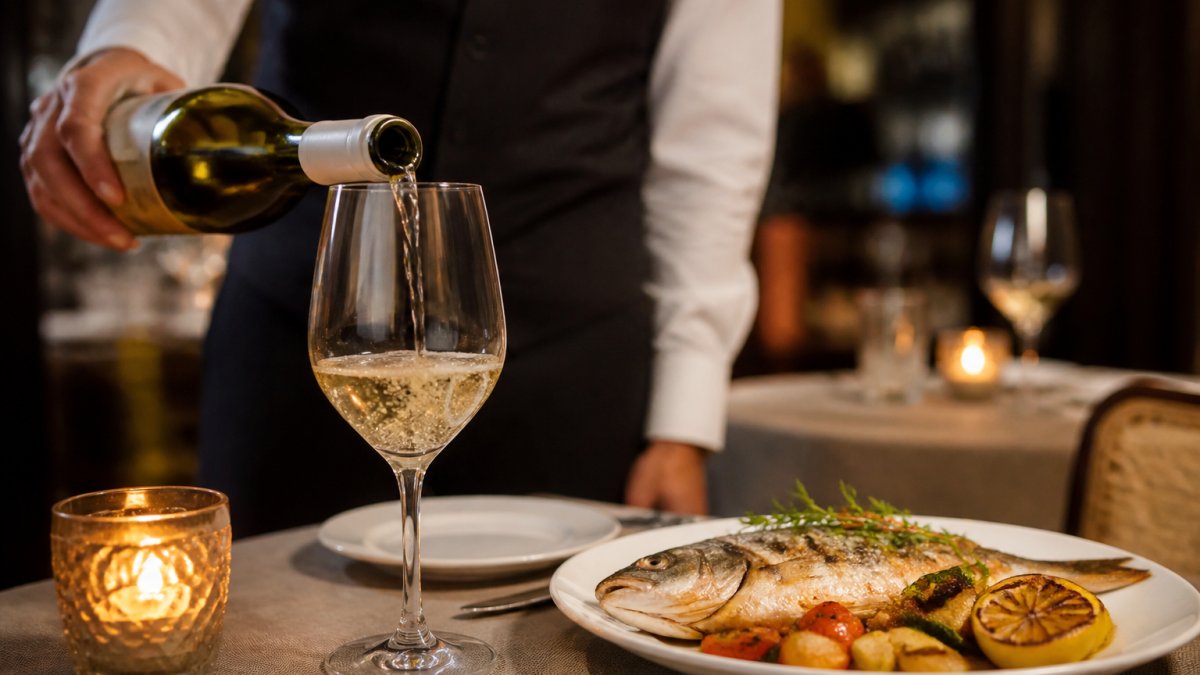
The food-pairing potential of Alentejo whites justifies their place on serious wine lists, but generic advice to "pair with seafood" undersells what variety-specific matching can achieve. Match the grape's structure, not just the region, to the dish.
Pairing by Variety
Arinto is the acid-driven option and the most versatile food wine in the region's white portfolio.
Antão Vaz brings more body and ripe tropical fruit, so it suits richer preparations. Sautéed scallops, lobster bisque, creamy fish dishes, and poultry such as roasted chicken or duck confit benefit from its texture and weight.
Roupeiro-dominant blends are lighter and more floral, matching delicate dishes: salads, light vegetable starters, and simply prepared white fish. Their moderate acidity and soft palate can be overwhelmed by rich sauces, so keep the food equally light.
Rabo-de-Ovelha in blends contributes freshness that suits herbal and vegetable-forward dishes. Grilled asparagus, roasted artichokes, and Mediterranean vegetable platters align with its green-citrus notes.
Serving Guidance That Makes a Difference
Temperature is the most common serving error with Alentejo whites. Serving too cold mutes the aromatics of Antão Vaz and Roupeiro; serving too warm makes Arinto feel flabby. The rule: lighter, acid-driven wines at 8-10°C, fuller-bodied wines at 10-12°C. Pulling bottles from the fridge 10-15 minutes before pouring achieves this without a thermometer.
Glassware matters less than temperature but still shapes perception. A standard tulip-shaped white wine glass works for all four varieties; avoid small, narrow glasses that trap alcohol and large Burgundy bowls that over-expose lighter wines to oxygen.
Building Pairings Into a Menu
For restaurants, assign one Alentejo white to each course style rather than one to the whole menu: an Arinto or Arinto-dominant blend for the raw bar and seafood starters; an Antão Vaz or Antão Vaz-dominant blend for richer fish and poultry mains; a Roupeiro-led blend for vegetable and salad courses. This gives customers a reason to try two or three Alentejo whites in a single meal.
How to Choose the Right Bottle for Your List
Selecting Alentejo whites requires clarity about your customers' preferences and your list's overall strategy.
Budget, Occasion and Customer Preference
Entry-level Alentejo whites (£12-18 per bottle) offer excellent value and introduce customers to the region without risk. Typically single varieties or simple blends, they prioritise approachability over complexity and work well for casual dining, wine bars, and retail customers new to Portuguese whites.
Mid-range bottles (£18-28) represent the region's sweet spot. At this price, producers invest in better vineyard sites, longer skin contact, and sometimes barrel ageing. These wines display the complexity and structure that justify their price, and they appeal to customers willing to spend more for quality.
Premium Alentejo whites (£28+) are rare but exist. These are typically from established producers with strong reputations, or wines from exceptional vintages with proven aging potential.
Sourcing Authentic Producers
Not all Alentejo whites are equal. Producers matter enormously. Newer producers like Casal do Conde and Herdade da Calada bring innovation and distinctive perspectives to traditional varieties.
When sourcing, work with importers who understand the region deeply.
Direct relationships with producers matter. Personal, transparent supply chains help you gain access to limited-production bottles, vintage variations reflecting actual harvest conditions, and producers willing to discuss their wines with your staff and customers.
| Alentejo White Wine Selection Guide | |
|---|---|
| Entry Level (£12-18) | Single-variety or simple blends; approachable aromatics; ideal for introducing the region |
| Mid-Range (£18-28) | Complex blends; longer aging potential; serious food pairing capability; best value |
| Premium (£28+) | Established producers; exceptional vintages; suitable for wine-focused establishments |
| Best For Seafood | Arinto or Arinto-dominant blends; crisp acidity and minerality |
| Best For Poultry | Antão Vaz or balanced blends; texture and ripe fruit |
| Best For Vegetables | Arinto or Rabo-de-Ovelha; herbal undertones and freshness |
Alentejo's white wines present an opportunity for independent retailers and restaurants willing to educate their customers. Our portfolio includes authentic Alentejo expressions. Let's talk about bringing these wines to your customers.
Frequently Asked Questions
What are the main white grape varieties grown in Alentejo?
The primary indigenous varieties are Antão Vaz, Arinto, Roupeiro, and Rabo-de-Ovelha. Antão Vaz is the most widely planted and defines the region's signature style with tropical fruit and freshness. Arinto brings crisp acidity and minerality, whilst Roupeiro adds body and complexity to blends. Each variety reflects the region's warm climate and terroir, creating distinct flavour profiles suited to different food pairings and occasions.
What does Antão Vaz wine taste like?
Antão Vaz produces straw-yellow wines with green reflexes and tropical aromas reminiscent of green apples and citrus. The palate is juicy and fresh with good acidity, offering a well-balanced profile that avoids heaviness despite the warm climate. Most examples are unoaked, preserving the grape's natural fruit character. The wine typically drinks well young but can age gracefully, developing greater complexity and minerality over time.
Which Alentejo white wine is best for beginners?
Antão Vaz is the most approachable entry point, offering immediate fruit appeal and refreshing acidity without complexity that might overwhelm newer wine drinkers. Single-variety Antão Vaz wines from established producers like Herdade da Calada (£16.00) deliver consistent quality and are widely available. The wine's tropical fruit and green apple notes are familiar and enjoyable, making it an ideal introduction to the region's white wine character and terroir.
Which Alentejo white wines pair well with seafood?
Arinto and unoaked Antão Vaz are the best matches for seafood. Arinto's high acidity and minerality cut through rich fish sauces and complement oysters, clams and grilled white fish. Antão Vaz's fresh citrus and tropical notes work beautifully with lighter preparations, ceviche and Mediterranean-style dishes. Blends incorporating both varieties offer versatility across a seafood-focused menu, from delicate starters to richer mains with butter or cream sauces.