
Best Independent Wine Distributors UK 2026
Table of Contents
-
Top Independent Wine Distributors for UK Restaurants and Retailers
- 79North Ltd: Premium Portuguese and Italian Imports
- Bibendum Wine: Sustainability-Led On-Trade Supply
- Liberty Wines: Quality-Focused Distribution with Staff Training
- Jascots Wine Merchants: Exclusive Selections and Next-Day Delivery
- The Oxford Wine Company: Curated Portfolios from 57 Countries
- Lea & Sandeman: Small Producer Focus with Nationwide Coverage
- EWGA Wines: Hospitality Specialists with Carbon-Neutral Operations
- How to Choose a Wine Supplier for Restaurants
- UK Wine Distribution Regulations and Post-Brexit Compliance
- Sustainable Wine Distributors UK: Commitment Beyond the Bottle
- Craft-Focused Winemakers and Exclusive Agency Relationships
- Digital Integration and B2B Ordering Portals
- Conclusion
Last Updated: August 5, 2026
Top Independent Wine Distributors for UK Restaurants and Retailers
Finding the right independent wine distributor determines whether your wine list stands out or blends into the background. Consolidation among major players has created space for specialists focusing on smaller producers, sustainable viticulture, and direct producer relationships. Your customers increasingly want stories behind their wine, not just brand names.
At 79North Ltd, we've spent years working with independent merchants and restaurant owners seeking wines that won't appear on every competitor's list. This guide helps you evaluate the independent wine distributors truly worth your attention.
1. 79North Ltd: Premium Portuguese and Italian Imports
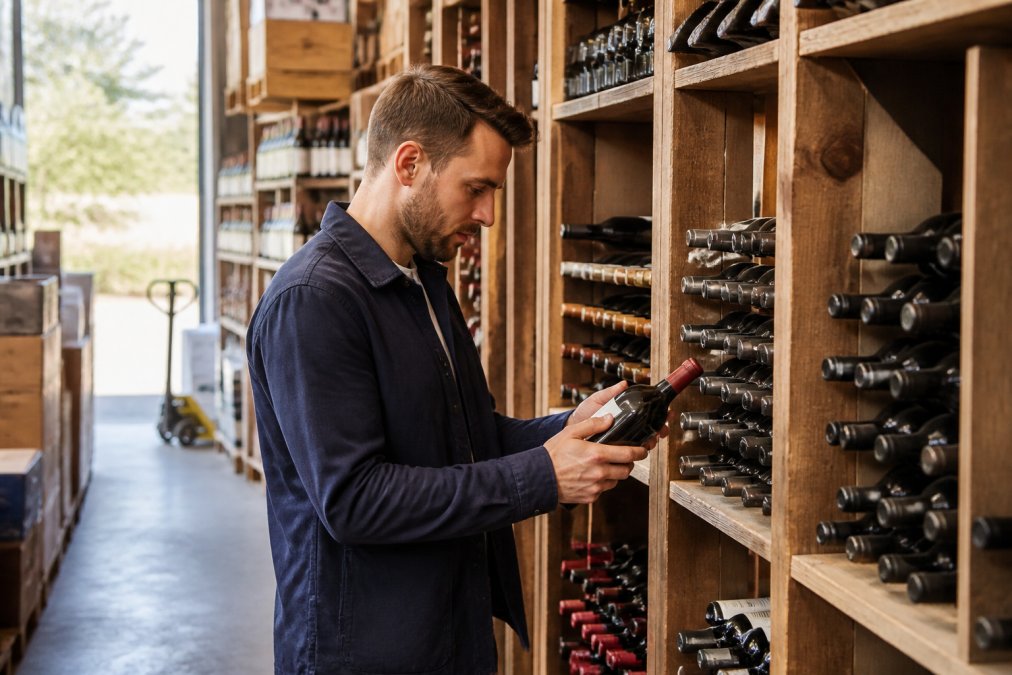
79North Ltd specialises in small, family-owned producers from Portugal and Italy that bring genuine distinctiveness to your wine list. They provide access to native grape varieties like Jampal and other Portuguese selections that UK restaurants rarely stock, sourced directly from producers committed to sustainable viticulture.
This approach works particularly well for establishments building a point of difference. If your restaurant features Italian and Portuguese cuisine, or if you're a wine merchant looking to specialise, 79North Ltd provides portfolio alignment that creates genuine competitive advantage.
2. Bibendum Wine: Sustainability-Led On-Trade Supply
Bibendum Wine partners with over 280 winemakers globally while maintaining a clear editorial voice around sustainability. Their strength lies in integrated training: they offer tailored WSET (Wine & Spirit Education Trust) courses, enabling your staff to speak confidently about the wines you're serving. This translates directly into better wine sales and customer satisfaction.
The portfolio spans spirits and craft beers alongside wine. However, Bibendum primarily specialises in on-trade, so retail wine merchants may find their offering less aligned.
3. Liberty Wines: Quality-Focused Distribution with Staff Training
Liberty Wines tastes thousands of wines and selects roughly 1% for their portfolio. That rigorous curation means every wine carries implicit endorsement. Founded in 1997, they supply small family-owned pubs to large restaurant groups, understanding the full spectrum of independent hospitality.
Their account management, marketing support, and staff training help smaller venues punch above their weight, working flexibly with operations that larger distributors overlook.
4. Jascots Wine Merchants: Exclusive Selections and Next-Day Delivery
Jascots specialises in exclusive wines unavailable through other channels, appealing to independent venues seeking genuine differentiation. Their standout feature is next-day delivery across London and the UK. For hospitality businesses, reliable delivery matters enormously, and their own delivery infrastructure reduces dependency on third-party logistics.
Training and sales support help venues move wine off the list, addressing the real challenge for independent restaurants.
5. The Oxford Wine Company: Curated Portfolios from 57 Countries
The Oxford Wine Company operates as a family-run wholesaler with over three decades of experience and 2,100+ SKUs sourced from 57 countries. They focus explicitly on exclusive family-owned producers and hard-to-find labels, understanding that independent wine merchants compete on curation, not price.
Operating both trade and retail arms, they provide personalised service and wine list curation support helping independent venues create lists reflecting their identity.
6. Lea & Sandeman: Small Producer Focus with Nationwide Coverage
Lea & Sandeman works exclusively with small, family-owned producers with clear identity. They offer dedicated account management, restaurant list creation, and staff training. Their own delivery drivers provide nationwide coverage, removing dependency on third-party logistics.
Marketing support includes POS materials and winemaker events, creating engagement opportunities beyond transactions.
7. EWGA Wines: Hospitality Specialists with Carbon-Neutral Operations
EWGA Wines brings over 50 years of hospitality experience and operates carbon-neutral offices and warehouses. They stock over 650 different wines and maintain 750,000+ bottles in inventory, ensuring availability and rapid replenishment.
Their 24/7 online ordering system suits modern restaurant operations. Tailored support includes wine list development, staff training, and promotional support.
How to Choose a Wine Supplier for Restaurants
Selecting the right supplier involves evaluating several dimensions simultaneously. Price alone is a poor decision criterion because the cheapest distributor rarely provides the support, portfolio depth, and reliability that independent venues need.
Evaluating Portfolio Depth and Regional Specialisation
Portfolio depth matters differently depending on your venue type. A fine-dining restaurant needs broad selection across regions and price points. A neighbourhood wine bar might thrive with 50-100 carefully chosen wines.
Ask potential distributors about their producer relationships and whether they have exclusive agency relationships. Request their portfolio list and review it against your intended wine list. The goal is overlap ensuring quality benchmarking, plus distinctive selections that set you apart.
Assessing Delivery Reliability and Minimum Order Quantities
Delivery reliability determines whether you can maintain consistent wine lists. Ask about their supply chain infrastructure, typical lead times, and whether they guarantee next-day delivery. For independent restaurants, next-day delivery often justifies slightly higher wholesale costs by reducing inventory carrying costs.
Minimum order quantities (MOQs) directly impact small independent venues. Some distributors require case orders (12 bottles) for every wine; others allow mixed cases or bottle orders. Clarify credit terms and payment requirements, as flexible payment terms can be decisive for independent restaurants managing cash flow tightly.
Staff Training and Account Management Support
Staff knowledge directly influences wine sales. Evaluate the quality of their account management and whether you'll have a dedicated contact. Ask about marketing support, point-of-sale materials, wine list templates, and whether they facilitate winemaker events or tastings.
UK Wine Distribution Regulations and Post-Brexit Compliance
The regulatory environment for wine distribution in the UK has become more complex since Brexit. Understanding these requirements prevents costly compliance issues and supply chain disruptions.
Import Licensing and Customs Documentation
Wine imports into the UK require proper licensing and customs documentation. Importers must hold an Alcohol Wholesaler Registration (AWR) with HMRC. When working with an importer like 79North Ltd, verify that they maintain current AWR status and proper customs documentation.
The customs process now involves additional documentation compared to pre-Brexit EU trade. Distributors experienced in post-Brexit logistics manage these complexities more efficiently.
Alcohol Duty and Tax Obligations
Alcohol duty in the UK is managed through HMRC's Alcohol Duty System. Wine attracts duty at rates varying by alcohol content and origin. Understanding duty implications helps you forecast costs accurately. A distributor familiar with current duty structures helps you navigate these complexities.
Tax obligations for retailers include maintaining proper records of alcohol purchases and ensuring compliance with licensing requirements.
Supply Chain Transparency and Traceability
UK regulations increasingly require supply chain transparency and traceability. Distributors should provide clear documentation of wine provenance, including producer information, vintage details, and import documentation. This supports compliance and helps you respond to customer questions about wine origins.
Sustainable Wine Distributors UK: Commitment Beyond the Bottle
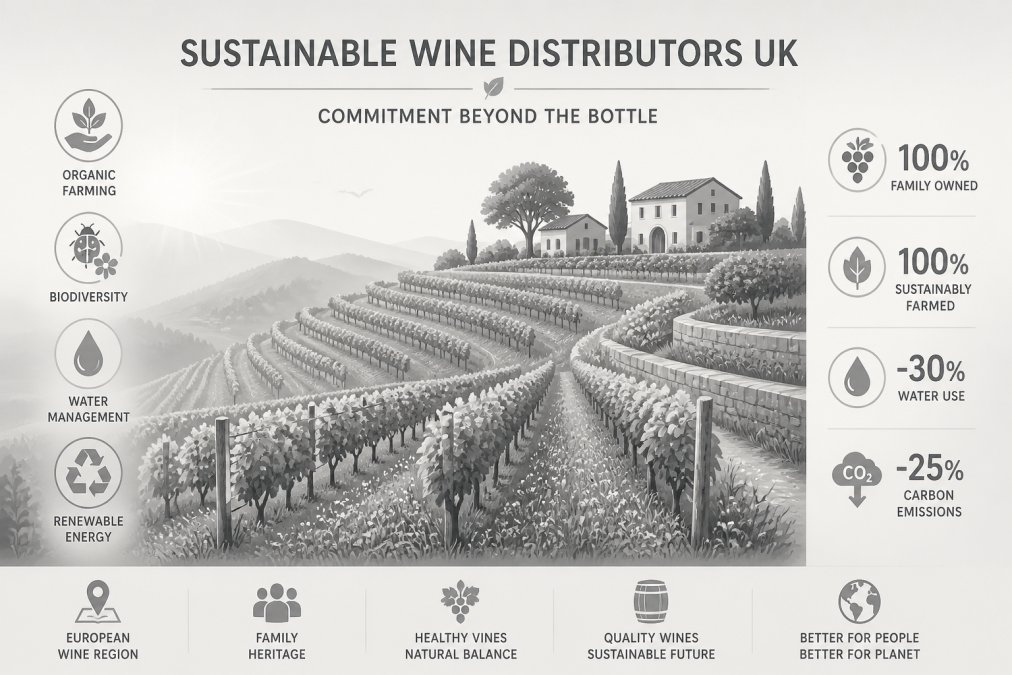
Sustainability has moved from niche concern to mainstream expectation. Independent restaurants and retailers increasingly face customer questions about environmental practice and producer ethics.
B Corp and Sustainability Certification Standards
B Corp certification indicates that a company meets rigorous standards for environmental and social responsibility. When evaluating sustainability claims, look for specific certifications and standards. Ask distributors to document their sustainability practices and certifications.
Many independent producers work with sustainable viticulture methods: organic farming, minimal chemical use, water conservation. A distributor prioritising these producers helps you build a wine list aligned with customer values.
Carbon-Neutral Logistics and Warehouse Operations
Transportation accounts for a significant portion of wine's carbon footprint. Distributors operating carbon-neutral warehouses and using efficient logistics reduce environmental impact. EWGA Wines, for example, operates carbon-neutral offices and warehouses.
Ask potential distributors about their logistics practices and whether they're working toward carbon-neutral operations.
Supporting Family-Owned and Organic Producers
Many independent wine producers operate on smaller scales with genuine commitments to sustainability and quality. 79North Ltd's focus on small, family-owned Portuguese and Italian producers reflects this philosophy. When reviewing a distributor's portfolio, assess what percentage comes from small, independent producers versus large commercial operations.
Craft-Focused Winemakers and Exclusive Agency Relationships
The most distinctive wine lists feature wines unavailable through other channels. This requires working with distributors who have exclusive agency relationships with producers.
Native Grape Varieties and Terroir-Driven Selection
Native grape varieties, like Portugal's Jampal, offer distinctiveness that international varieties cannot match. Distributors with deep regional relationships access these varieties more readily than generalist wholesalers.
Terroir-driven selection prioritises how soil, climate, and altitude shape wine character rather than focusing solely on brand recognition. This approach appeals to wine enthusiasts and helps independent venues build reputation as places where wine selection reflects genuine curation.
Award-Winning Importers and Industry Recognition
Industry recognition indicates quality and credibility. However, the most useful recognition comes from peers and customers. Ask other independent restaurants and wine merchants which distributors they work with and why.
Digital Integration and B2B Ordering Portals
Modern wine distribution increasingly involves digital ordering platforms. The best B2B ordering portals provide real-time inventory visibility, simplified ordering, and integration with your point-of-sale system.
Ask potential distributors about their digital capabilities. Can you place orders online 24/7? Can you track delivery status in real time? Does their system integrate with common restaurant management software? Digital-first distributors typically offer better service and more responsive support.
| Distributor | Specialisation | Best For | Key Strength |
|---|---|---|---|
| 79North Ltd | Portuguese and Italian family producers | Distinctive Mediterranean focus | Exclusive small-producer access |
| Bibendum Wine | Sustainable global portfolio | On-trade with training focus | WSET training programmes |
| Liberty Wines | Quality-curated selection (1% acceptance rate) | Quality-conscious independent venues | Rigorous selection process |
| Jascots Wine Merchants | Exclusive wines with next-day delivery | London and UK hospitality | Reliable rapid delivery |
| The Oxford Wine Company | 2,100+ SKUs from 57 countries | Diverse retail and on-trade | Breadth and curation |
| Lea & Sandeman | Small family-owned producers | Venues seeking producer stories | Winemaker event facilitation |
| EWGA Wines | Hospitality-focused sustainable portfolio | Carbon-conscious venues | Carbon-neutral operations |
Conclusion
Choosing an independent wine distributor requires evaluating portfolio depth, delivery reliability, staff support, and alignment with your venue's identity. The best distributors become genuine partners in building your wine programme.
79North Ltd specialises in providing access to premium, family-owned Portuguese and Italian wines that independent restaurants and retailers cannot source elsewhere. Their focus on small, innovative producers, commitment to sustainability, and understanding of independent venue needs make them an ideal partner for establishments seeking distinctive wine lists. Get started with 79North Ltd and transform your wine programme into a genuine competitive advantage.
Frequently Asked Questions
How do I choose an independent wine distributor for my restaurant?
Evaluate distributors on three key criteria: portfolio depth and regional specialisation that matches your menu, delivery reliability and minimum order quantities that suit your business size, and staff training or sommelier support included. Request references from similar establishments and ask about their supply chain reliability, independent distributors should provide transparency on producer relationships and lead times. Compare digital ordering systems and account management responsiveness before committing.
What makes sustainable wine distributors UK different from conventional wholesalers?
Sustainable distributors prioritise relationships with organic and biodynamic producers, operate carbon-neutral warehouses, and often hold B Corp certification or similar standards. They typically work with family-owned wineries committed to environmental stewardship and fair labour practices. Beyond product selection, they offer transparency on supply chain practices and support producers using sustainable viticulture methods, which appeals to restaurants and retailers building authentic, values-driven wine lists.
Are independent wine distributors better than large wholesalers?
Independent distributors excel at sourcing unique, craft-focused wines and offering personalised service, making them ideal for restaurants seeking distinctive selections or retailers wanting exclusive labels. Large wholesalers offer broader inventory and potentially lower prices through volume. The choice depends on your priorities: choose independent suppliers for curated, terroir-driven portfolios and hands-on support; choose larger wholesalers if you need high volume, competitive pricing, or extensive geographic reach.
What UK wine distribution regulations should I understand post-Brexit?
Post-Brexit imports require proper import licensing, customs documentation, and compliance with HMRC alcohol duty regulations. All imported wines must meet UK labelling standards and traceability requirements. Distributors should handle import logistics and customs clearance, but you remain responsible for understanding alcohol duty obligations and ensuring your supplier maintains proper documentation. Ask distributors about their compliance procedures and whether they manage all customs paperwork, this simplifies your legal obligations significantly.
Do independent wine distributors offer exclusive labels?
Many independent distributors specialise in exclusive agency relationships with small, family-owned producers, meaning their wines may not be available through other UK channels. Distributors focusing on craft-focused winemakers and native grape varieties from specific regions (such as Portugal or Italy) often secure exclusive UK representation. Ask directly about exclusive labels and whether the distributor holds sole or shared agency, this affects how differentiated your wine list can be from competitors.
This article was written using GrandRanker