
Comparing Portuguese Wine Subscription Services: A Guide
Table of Contents
- What Actually Matters When Comparing Portuguese Wine Subscription Services
- Pricing Models and Cost Per Bottle Across Portuguese Wine Clubs
- Native Portuguese Grape Varieties You Should Expect in a Curated Selection
- How the Best Wine Subscription Services UK Buyers Use Handle Delivery and Logistics
- Natural, Organic and Conventional Offerings: Reading the Fine Print
- Customization, Delivery Frequency and Cancellation Terms Compared
- Common Mistakes Buyers Make When Comparing Portuguese Wine Subscriptions
- Conclusion: Choosing the Right Portuguese Wine Subscription
- Frequently Asked Questions
Last Updated: October 3, 2026
What Actually Matters When Comparing Portuguese Wine Subscription Services
Comparing Portuguese wine subscription services comes down to four things: who selects the wine, what grape varieties you actually receive, how the bottles reach you, and what it costs per bottle once delivery is included. Everything else is marketing.
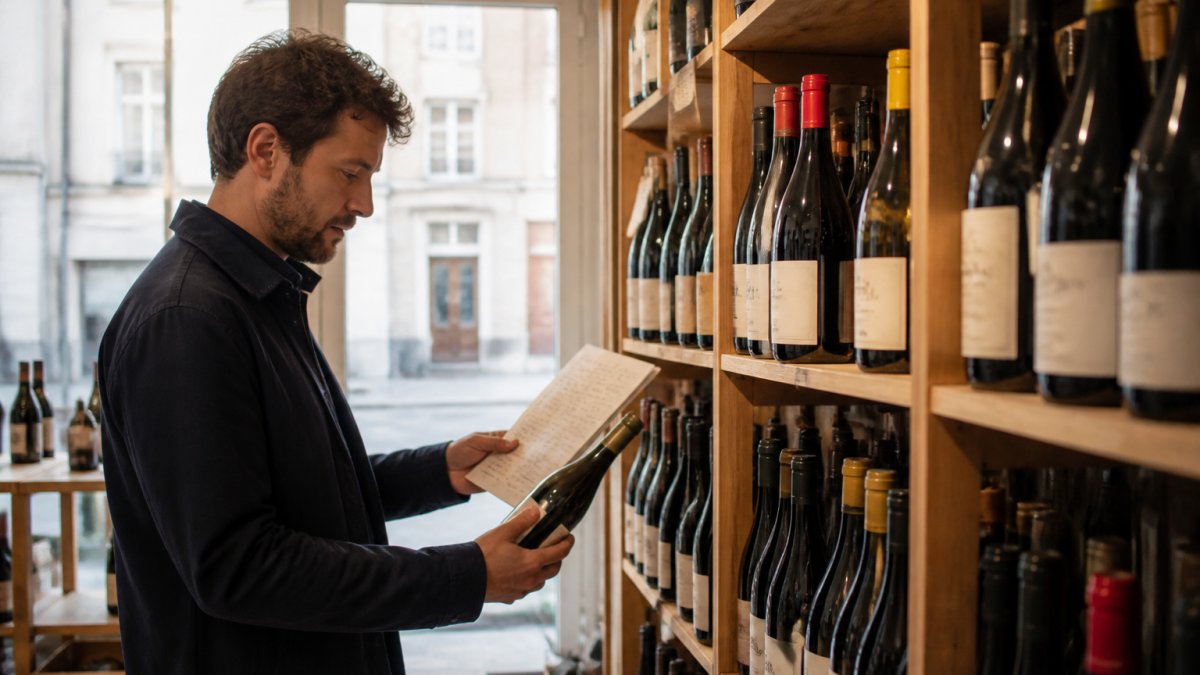
A wine subscription is a recurring delivery of curated bottles, usually chosen by a merchant or sommelier, billed monthly, quarterly or on a fixed schedule.
The distinction that matters most is who is doing the curating. For background on how Portuguese wine is classified and labelled, the Instituto da Vinha e do Vinho publishes the official framework, and UK import rules sit with HMRC guidance on alcohol duty and imports.
| What to Check | Why It Matters | Red Flag |
|---|---|---|
| Curator | Determines wine quality and range | No named buyer or sommelier |
| Varietal mix | Native grapes vs. international | Only generic blends listed |
| Delivery terms | Cost, courier, packaging | No courier named |
| Cancellation | Flexibility if wines disappoint | Long minimum term |
| Cost per bottle | True value including delivery | Delivery excluded from headline price |
Pricing Models and Cost Per Bottle Across Portuguese Wine Clubs
Most Portuguese wine subscriptions use one of three pricing models: a flat per-bottle price, a tiered plan by case size, or a mixed case at a blended rate.
A tiered plan looks cheaper at the entry level and rarely is. The lower tier often ships fewer bottles with the same delivery charge, which pushes the effective per-bottle cost up.
- Flat per-bottle: predictable, easy to compare, limited range
- Tiered by case size: flexible, but delivery skews the maths
- Blended mixed case: best variety, hardest to compare directly
- Prepaid annual: cheapest per bottle, least flexible
Our own Casal do Conde 2023 Vale d'Algares Pinot Gris sits at £15.00 a bottle, which gives you a realistic reference point for what a single-varietal Portuguese white costs at trade level.
Native Portuguese Grape Varieties You Should Expect in a Curated Selection
A serious Portuguese subscription should introduce you to native Portuguese grape varieties rather than the same international names you can buy anywhere.
The varieties that signal a real Portuguese curator:
- Touriga Nacional, structured, floral, the backbone of many Douro red blends and increasingly bottled as a varietal wine.
- Touriga Franca, softer and more aromatic than Nacional, often the blending partner that rounds out a Douro.
- Tinta Roriz, the Portuguese name for Tempranillo, giving savoury, tobacco-tinged reds in the Douro and Dão.
- Baga, high-acid, tannic red from Bairrada that rewards cellaring.
- Alvarinho, aromatic white, crisp and mineral, the grape behind Vinho Verde's premium bottlings.
- Arinto, high-acid white used across Vinho Verde, Bucelas and the Lisboa region.
- Encruzado, textured, age-worthy white from the Dão.
- Fernão Pires, aromatic, versatile white, widely planted and often underrated.
- Jampal, rare white with small plantings, a genuine signal that the curator is sourcing rather than buying from a list.
Varietal-led subscription plans worth comparing. The strongest Portuguese-specific angle is a club that organises its cases by region or grape rather than by price tier. Look for plans built around:
- Vinho Verde whites, light, low-alcohol, Alvarinho and Arinto led; ideal for summer by-the-glass lists.
- Douro reds, Touriga Nacional, Touriga Franca and Tinta Roriz blends; structured and food-friendly.
- Dão reds and whites, Encruzado and Touriga Nacional in a cooler, more elegant style.
- Alentejo reds and whites, fuller, warmer-climate wines often built on Aragonez, Trincadeira and Antão Vaz.
- Bairrada and Beira Atlântico, Baga-led reds and sparkling wines from traditional method producers.
A club that offers a Vinho Verde plan, a Douro plan and an Alentejo plan is doing something a generic mixed-case subscription cannot: it lets you match the case to the section of your list you are trying to build.
How to test the claim. Ask a club to name three growers in its current case and the region each bottle comes from. If the answer is vague, the curation is likely coming from a broker rather than the estates.
Why this matters for value. Native varieties are where Portuguese wine offers its strongest price-to-quality ratio. A Touriga Nacional-led Douro at trade level frequently outperforms a similarly priced international-varietal red, because the grape is grown where it belongs rather than forced into a market category. That is the argument a Portuguese-specific subscription should be making, and the one generic clubs cannot.
How the Best Wine Subscription Services UK Buyers Use Handle Delivery and Logistics
The best wine subscription services UK buyers rely on are the ones that are upfront about shipping logistics: who the courier is, how bottles are packed, whether someone must sign, and what happens if a case arrives damaged.
Importing from Portugal adds a layer that most generic subscription guides skip entirely.
The import chain, step by step:
- Export from Portugal. The producer or their agent prepares commercial invoices, packing lists and the wine's accompanying VI-1 equivalent documentation. Portuguese exporters register with the Instituto da Vinha e do Vinho for certification of origin where a protected designation is claimed.
- Arrival and customs clearance. The consignment enters via a UK port or the Channel Tunnel. An import declaration is lodged through the Customs Declaration Service, and the importer of record, not the courier, is legally responsible for its accuracy.
- Duty and VAT. Alcohol duty is charged per litre of pure alcohol, banded by still wine, sparkling wine and strength. Since the 2023 duty reform, still wine between 11.5% and 14.5% ABV sits in a single band, which covers most Portuguese table wine; sparkling and fortified bottles sit in higher bands. VAT at the standard rate is then applied on the duty-paid value plus freight.
- Release and domestic delivery. Once cleared, the pallet moves to a bonded or duty-paid warehouse and is broken down for last-mile courier delivery.
Direct importer versus UK wholesaler reseller. A club that imports directly controls the chain end to end: it can tell you the vessel, the clearance date and the warehouse.
Casal do Conde 2023 Vale d'Algares Pinot Gris →
Small consignment relief and the trade maths. HMRC operates relief schemes that reduce the administrative burden on lower-value consignments, but the thresholds and eligibility rules change, so verify current guidance on HMRC guidance on alcohol duty and imports before modelling landed cost.
What to ask before subscribing:
- Which courier delivers, and is tracking provided?
- Is the club the importer of record, or does it resell UK wholesale stock?
- How are bottles protected in transit, moulded pulp, inflatable liners, or loose in a box?
- What is the claims process for breakages, and who bears the cost?
- Does the club hold duty-paid stock in the UK, or ship to order from Portugal?
Timing expectations. A duty-paid UK warehouse can turn a case around in days. A ship-to-order model from Portugal typically runs several weeks door to door once you allow for consolidation, sailing or road freight, clearance and last-mile delivery. If your list changes monthly, that difference decides whether a subscription is workable at all.
Natural, Organic and Conventional Offerings: Reading the Fine Print
Terms like "natural", "organic" and "sustainable" are not interchangeable, and the fine print is where you find out which one applies. Organic viticulture is a certified standard with inspection behind it. "Natural" is largely a winemaking philosophy with no single legal definition.
If certification matters to your customers, look for a recognised organic mark on the label rather than a description in the marketing copy. For the rules behind organic labelling in the UK, DEFRA guidance on organic food and farming sets out the certification requirements.
Conventional wines are not automatically the lesser choice. Many family estates farm responsibly without paying for certification, and some of the most distinctive bottlings come from growers who simply have not pursued the paperwork.
Customization, Delivery Frequency and Cancellation Terms Compared
Flexibility separates a club you keep from one you cancel after two cases. Customization, delivery frequency and cancellation policy are the three levers, and they are usually traded against each other: the more choice you want, the more you tend to pay per bottle.
| Plan Type | Delivery Frequency | Customization | Cancellation |
|---|---|---|---|
| Entry tier | Monthly | None, fixed case | Usually anytime |
| Mid tier | Monthly or quarterly | Swap one or two bottles | Anytime |
| Flexible | You choose | Full case selection | Anytime |
| Prepaid annual | Fixed schedule | Limited | Restricted |
A monthly delivery suits a restaurant running a by-the-glass list that changes often. A quarterly case suits a shop building a slower-moving regional section. Match the frequency to how fast you actually sell, not to how fast the club wants to ship.
Common Mistakes Buyers Make When Comparing Portuguese Wine Subscriptions
The biggest mistake is comparing headline prices without adding delivery, then discovering the true cost per bottle is far higher than the club's marketing suggested. The second is subscribing before checking whether the range includes the native varieties your customers actually ask for.
A few more that come up often:
- Choosing on case size rather than on who selects the wine
- Ignoring cancellation terms until the first disappointing case arrives
- Assuming "Portuguese" means a broad regional mix when the club only ships one region
- Skipping the tasting notes and buying blind
- Forgetting that a subscription is a repeat purchase, not a one-off
Conclusion: Choosing the Right Portuguese Wine Subscription
The hard part of comparing Portuguese wine subscriptions is that the marketing all looks the same, and the differences only show up in the third or fourth case. Work from the curator, the varieties, the logistics and the true cost per bottle, and the shortlist gets short fast.
At 79North Ltd, we import premium, family-owned wines from Portugal and Italy for independent retailers and restaurants, with a focus on small, innovative wineries that are often new to the UK market. Our portfolio highlights native grape varieties and producers committed to sustainability, and we represent those growers directly rather than through a broker.
Frequently Asked Questions
What are the main regions to look for in a Portuguese wine subscription?
Most Portuguese wine subscriptions draw on a handful of established regions: Douro and Dão for reds, Vinho Verde for crisp whites, Alentejo for fuller-bodied wines, and Tejo for approachable everyday bottles. A good subscription should state which regions it covers rather than offering a vague 'Portugal' selection. If a service lists specific appellations and vintages, that is a sign it is working with real producers rather than bulk-bought stock.
Are there dedicated wine clubs for Portuguese labels in the UK?
Yes, though they are far fewer than general wine clubs. Dedicated Portuguese subscriptions tend to be run by specialist importers who work directly with family estates, rather than large multi-country clubs that include a token Portuguese bottle. The trade-off is usually smaller overall volume but better traceability: you can often find out which estate, which vintage and which grape variety you are getting. Ask any provider for a sample list before committing.
What should I look for when comparing wine subscription value?
Work out cost per bottle first, then check what that price includes: delivery, tasting notes, and whether you can swap or skip a shipment. A subscription at a higher per-bottle price can still offer better value if it removes the need to source, clear and store the wine yourself. Also check the cancellation policy and any minimum commitment, because these decide how much flexibility you actually have if a wine does not sell.
Is it better to buy individual bottles or join a subscription service?
It depends on how often your list changes. Buying individual bottles suits a shop testing a single wine before committing. A subscription suits buyers who want a rotating selection without sourcing each bottle separately, and who value consistent access to small producers. Many independent retailers use both: a subscription for the core range and one-off purchases for seasonal or special-occasion listings.