
Underrated Portuguese Wine Regions to Explore
Table of Contents
- Why the Big Names Leave the Best Bottles Overlooked
- Dão and Bairrada: Granitic Soils and Coastal Influence
- Alentejo, Beira Interior and Setúbal: The Underrated Portuguese Wine Regions to Explore
- Native Portuguese Grape Varieties Worth Listing
- The Best Portuguese Wine Regions to Visit: A Practical Wine Itinerary
- Sustainable Viticulture and Wine Pairing in the Smaller Regions
- Where to Start: Bottles That Show the Difference
- Frequently Asked Questions
Last Updated: September 26, 2026
Why the Big Names Leave the Best Bottles Overlooked
Portugal's most exciting wines rarely come from the regions you already know. While Port and Vinho Verde dominate shelf space, the country's underrated Portuguese wine regions to explore sit inland and along quieter coastlines, producing wines of real character. This guide from 79North Ltd covers the regions, grapes and bottles worth seeking out. The Instituto da Vinha e do Vinho recognises dozens of protected designations, yet only a handful ever reach UK shelves. That gap is where the opportunity lies.
Dão and Bairrada: Granitic Soils and Coastal Influence
Dão and Bairrada are two of Portugal's most distinctive wine regions, and both remain largely unknown to UK buyers. Dão sits inland on granitic soils at elevation, while Bairrada hugs the Atlantic coast. Together they cover two of the country's most important terroirs. The contrast between them explains why native Portuguese grape varieties perform so differently from one valley to the next.
Dão: High-Altitude Freshness
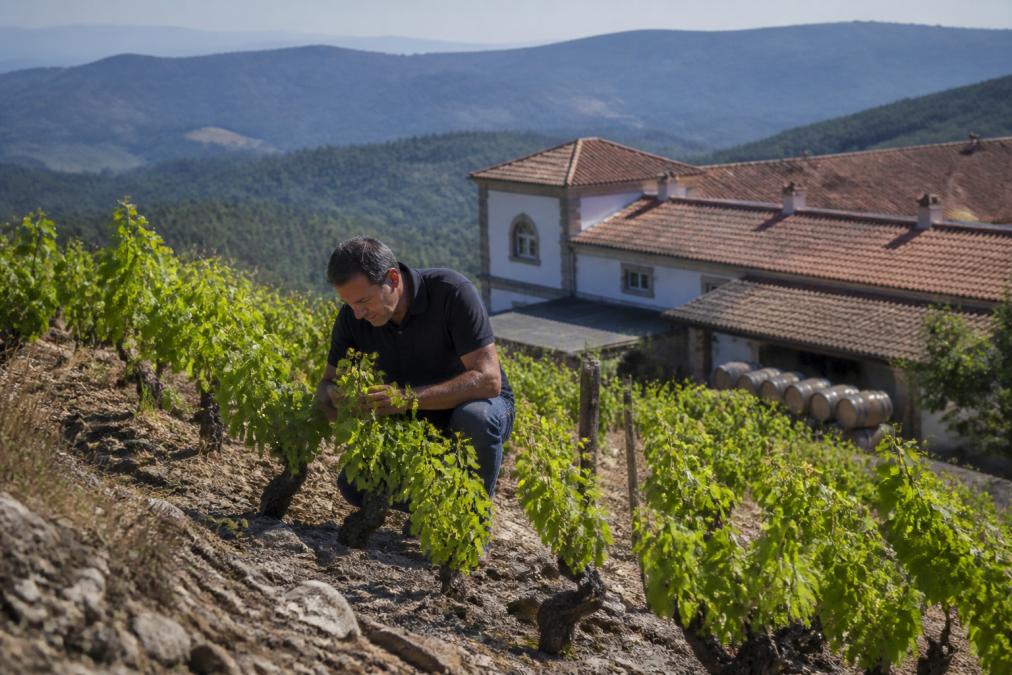
Dão is a high-altitude wine region in central Portugal, defined by granitic soils and cool mountain air. Vines here sit between 400 and 600 metres, which slows ripening and preserves acidity. The Casa Américo 2023 Sonante DOP Dão Tinto (£14.00) shows the style clearly: Tinta Roriz, Jaen and Touriga Nacional grown on granitic soils near Vila Nova de Tazem, with lively acidity and rounded tannins.
Bairrada: Baga, Arinto and Atlantic Acidity
Bairrada's coastal influence keeps its wines taut and food-friendly. The Baga grape gives reds firm tannins and bright acidity, while Arinto delivers the region's signature citrus freshness. A common mistake is serving these wines too warm; at 12 to 14°C, the acidity and structure balance properly. The Quinta Pousada de Fora 2020 Arinto Reserva (£26.00) is a fine example, aged on fine lees for nine months with a small portion in French oak and acacia.
Alentejo, Beira Interior and Setúbal: The Underrated Portuguese Wine Regions to Explore
Alentejo, Beira Interior and Setúbal are the underrated Portuguese wine regions to explore next, each with a distinct climate and grape set. Alentejo brings warmth and body, Beira Interior brings altitude and freshness, and Setúbal brings coastal Moscatel. For buyers building a Portuguese list, these three cover the widest range of styles, and each has a sub-region structure most UK merchants never explain.
Alentejo: The Soul of the South
Alentejo is a warm inland wine region known for generous, ripe reds, but treating it as one block misses the point. The region splits into sub-zones with genuinely different profiles: Portalegre in the north sits against the Serra de São Mamede and is the coolest, highest and most structured; Borba, Évora, Redondo and Reguengos occupy the rolling granite-and-schist plains in the centre; Vidigueira and Moura in the south are the hottest and produce the most concentrated fruit.
Beira Interior: High-Altitude Viticulture
Beira Interior is one of Portugal's highest wine regions, sitting close to the Spanish border along the Serra da Estrela. Vineyards climb to around 700 metres in places, and the diurnal shift, hot days, cold nights, is what preserves acidity in a region that would otherwise ripen too fast. Granitic and schist soils dominate, and the grape set overlaps with Dão: Touriga Nacional, Tinta Roriz, Jaen and Rufete for reds, Síria and Fonte Cal for whites.
Setúbal Peninsula: Moscatel and Coastal Wines
Setúbal Peninsula is a coastal wine region south of Lisbon, best known for Moscatel de Setúbal, a fortified wine made from the Moscatel Graúdo (Muscat of Alexandria) grape. The mechanism matters: grapes are partially dried on the vine or in the winery to concentrate sugar, then fermentation is stopped with grape spirit, leaving natural sweetness balanced by the grape's own acidity.
Native Portuguese Grape Varieties Worth Listing
Native Portuguese grape varieties are the reason these regions taste unlike anything else in Europe. Many were nearly lost, and a few are still being revived. Here are the ones worth knowing:
- Encruzado: Dão's flagship white, textured and age-worthy
- Bical and Cerceal-branco: aromatic, crisp Dão whites
- Baga: Bairrada's tannic, age-worthy red grape
- Arinto: high-acid white found from Bairrada to Vinho Verde
- Moscatel: Setúbal's aromatic speciality
- Jampal: a near-extinct white revived by a single producer
The Best Portuguese Wine Regions to Visit: A Practical Wine Itinerary
The best Portuguese wine regions to visit are Dão, Bairrada, Alentejo, Beira Interior and Setúbal, and they work well as a single loop from Lisbon or Porto. Rural transport is the real hurdle, so plan around a hire car and two-night stays. Most competitors stop there. The detail below is what actually determines whether the trip works.
| Region | Base Town | Travel Time from Lisbon | Best Season |
|---|---|---|---|
| Dão | Viseu | 3 hours | September to October |
| Bairrada | Mealhada | 2 hours 15 minutes | May to June |
| Alentejo | Évora | 1 hour 30 minutes | April to May |
| Beira Interior | Guarda | 3 hours 30 minutes | September |
| Setúbal | Setúbal | 45 minutes | June to September |
Transport and logistics
A hire car is effectively mandatory for Dão, Beira Interior and inland Alentejo. Public transport reaches the base towns, Viseu, Guarda, Évora and Setúbal all have rail or coach connections, but almost no estate sits within walking distance of a station, and rural taxi availability is thin outside Évora and Setúbal. Two practical rules: pick up the car in Lisbon or Porto rather than in a regional town, where fleets are small and automatic transmission is scarce; and check the rental agreement for cross-border restrictions if your route clips Spain near Beira Interior.
Booking cellar door visits
Book cellar door visits in advance, especially during harvest season. Many family estates are small and cannot absorb walk-ins. A common pattern is that estates respond to email within a few days but not instantly, so send requests at least two weeks ahead and confirm the day before. Tastings are usually by appointment only, and several Dão and Beira Interior producers will only receive visitors who are already trade or who have been introduced.
Budget versus luxury
Costs vary widely. As a rough guide, an entry-level tasting at a family estate typically sits in the £10 to £20 per person range, while a structured tasting with a winemaker or a library flight runs £25 to £50. Guided day tours from Lisbon generally start around £70 to £120 per person including transport. On accommodation, rural quintas in Dão and Beira Interior often undercut equivalent Alentejo properties, which is one reason to build the loop so that the more expensive Alentejo nights are balanced against cheaper inland stays.
A workable seven-day loop
A sensible structure is: two nights in Évora for Alentejo, one night in Setúbal on the way back toward Lisbon, then a northern leg with two nights in Viseu for Dão and one night in Mealhada for Bairrada. Beira Interior is best added as a separate trip or as a long detour from Dão, because the drive to Guarda adds a full day and the region rewards a slower pace than a single overnight allows.
Sustainable Viticulture and Wine Pairing in the Smaller Regions
Sustainable viticulture is now common across these smaller regions, with many family estates farming organically or converting. The International Organisation of Vine and Wine tracks this shift across Europe. For UK buyers, this matters commercially: customers increasingly ask how a wine was farmed, and small producers can usually answer directly.
- Dão reds with roasted lamb or duck rice
- Bairrada Baga with suckling pig
- Alentejo reds with slow-cooked pork
- Setúbal Moscatel with almond desserts
- Vinho Verde Arinto with shellfish and petiscos
Where to Start: Bottles That Show the Difference
Start with a mixed case that spans styles, then let your customers tell you which region resonates. The Casa Américo Sonante pair at £14.00 each are the easiest entry point, and both overdeliver at that price. The Quinta Pousada de Fora Espumante Bruto Natural Branco (£28.00) won a Gold medal at the Portugal Wine Trophy and gives you a Portuguese sparkling option that most lists lack.
Frequently Asked Questions
Which Portuguese wine region is considered the best?
There is no single best region, and the answer depends on what you want from the bottle. The Douro and Vinho Verde carry the fame, but the Dão, Bairrada, Alentejo, Beira Interior and Setúbal Peninsula deliver some of the most distinctive wines in the country. For freshness, look to Dão's granitic, high-altitude vineyards. For structure and cellaring, Bairrada's Baga grape is hard to beat. For value and volume, Alentejo and Tejo estates offer reliable quality at accessible prices.
What are some hidden places to visit in Portugal for wine lovers?
Skip the coach-tour stops and head inland. The Serra da Estrela sub-region of Dão, around Vila Nova de Tazem and Gouveia, has family estates at 400 to 600 metres. Bairrada's cellar doors sit within an hour of the coast. Beira Interior offers high-altitude vineyards with few visitors, and the Setúbal Peninsula combines Moscatel cellars with coastal seafood. Smaller estates usually ask for advance booking, so email ahead before travelling.
What makes Bairrada and Dão unique compared to other regions?
Both sit on granitic soils and feel Atlantic influence, which keeps acidity high and tannins firm. Dão's altitude, between 400 and 600 metres, gives reds and whites a freshness that warmer regions struggle to match. Bairrada is known for the Baga grape and for Arinto's citrus-driven whites. Together they produce wines with real ageing potential at prices below comparable French appellations, which is why independent buyers keep returning to them.
Are there lesser-known native grape varieties to look for in Portugal?
Yes, and they are the strongest argument for listing these regions. Look for Encruzado, Bical and Cerceal-branco in Dão whites, Baga in Bairrada, and Jampal, a variety rescued from near extinction and now bottled as a single-varietal white in the Lisboa region. Arinto appears in both still and sparkling styles. These grapes give your list a genuine point of difference, especially for customers who have exhausted Albariño and Verdejo.
Building a Portuguese section that actually sells means finding producers your competitors have not already listed. 79North Ltd imports premium, family-owned wines from Portugal and Italy, with a portfolio built around native grape varieties and small estates new to the UK market. We provide trusted representation for these wineries and work with independent retailers and restaurants of any size, with no major-distributor volume commitments. Let's talk about the regions that fit your list.