
Best Value Portuguese Wine Regions: 2026 Guide
Table of Contents
- Why Portuguese Wine Regions Deliver Exceptional Value
- 1. Dão: Elegant Reds and Crisp Whites at Affordable Prices
- 2. Alentejo: Sunny, Structured Reds for Food Service
- 3. Vinho Verde: Freshness and Value in Every Bottle
- 4. Tejo: Versatile Wines for Independent Wine Lists
- Best Portuguese Red Wine for the Price: Comparing Regions
- Portuguese Wine Buying Guide for UK Retailers and Restaurants
- Quick Comparison: Value Across Regions
Last Updated: August 23, 2026
Why Portuguese Wine Regions Deliver Exceptional Value
Portuguese wine regions deliver exceptional quality at a fraction of the cost of Bordeaux and Burgundy. Family wineries operate on smaller scales with lower overhead, and they've invested heavily in viticulture without the centuries of marketing inflation that inflates French prices. The result: structured reds, crisp whites, and fortified wines with genuine complexity at sensible price points.
Portuguese wine regions offer terroir diversity. Atlantic influence shapes coastal regions like Vinho Verde, while continental climates dominate inland areas like Alentejo and Dão. This geographic variation means you're selecting distinct regional expressions, not choosing between similar wines at different prices.
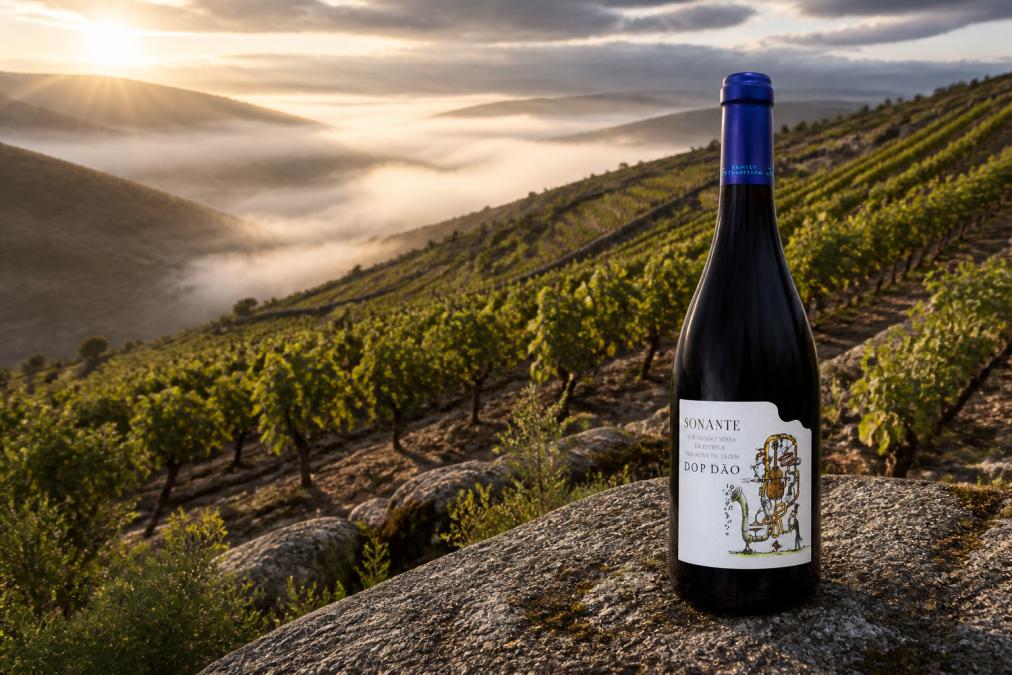
At 79North Ltd, we've spent years sourcing from family wineries across these regions. The best value comes from understanding which regions excel at which styles, and which producers offer honest terroir expression without unnecessary markup.
1. Dão: Elegant Reds and Crisp Whites at Affordable Prices
Dão sits in Portugal's interior, where granitic soils and elevation between 400 and 600 metres create conditions for wines of real structure. This region produces elegant reds and mineral-driven whites, yet remains undervalued compared to regions with equivalent quality.
Terroir and Indigenous Varieties
Granite-based soils impart minerality and freshness. Indigenous grape varieties dominate: Touriga Nacional, Tinta Roriz, and Jaen for reds; Encruzado, Bical, and Cerceal-branco for whites. Touriga Nacional produces wines with structured tannins, dark fruit character, and aging potential that rivals Cabernet Sauvignon at half the price (peer-reviewed research). Encruzado whites offer crisp acidity and floral aromatics that pair beautifully with seafood and lighter poultry.
The Casa Américo 2023 Sonante DOP Dão Tinto exemplifies this regional expression. Blending Tinta Roriz, Jaen, and Touriga Nacional, it delivers complexity and regional authenticity at £14.00, a price point where Dão's value becomes obvious, competing with wines costing £25+ elsewhere.
Price-to-Quality Ratio
Dão delivers perhaps the strongest price-to-quality ratio in Portugal. A well-made Dão red at £14-18 competes directly with Côtes du Rhône or basic Burgundy at £20-28. The Casa Américo 2023 Sonante DOP Dão Branco proves this applies to whites as well. At £14.00, you get a wine fermented in stainless steel at controlled temperatures, delivering soft yellow colour, tropical fruit aromatics, and crisp acidity, the kind of wine that moves quickly on a restaurant list or retail shelf.
For wine buyers, Dão represents the sweet spot: wines with vintage credibility, native grape varieties that educate your customer base, and margins that work for independent operations.
2. Alentejo: Sunny, Structured Reds for Food Service
Alentejo occupies Portugal's southern interior. Its continental climate and sandy red clay soils create conditions for riper, more structured reds than Dão, built for food pairing and restaurant menus.
The Herdade da Calada 2020 Caladessa Reserva Tinto demonstrates Alentejo's strength. This DOC wine blends Tinta Caiada, Alfrocheiro, Touriga Nacional, and Touriga Franca, producing dark red colour, fruit-forward flavour with notes of red berries and prunes, and ripe tannins with subtle spice. Handpicked grapes, 10 days of maceration, and 12 months in French oak create genuine complexity. At £21.00, this wine sits 30-40% cheaper than equivalent Rhône or Spanish Rioja wines, allowing margins that support sommelier recommendations.
Alentejo's climate produces wines with higher alcohol, many at 14-15% ABV, reflecting sunny conditions that develop ripe fruit (peer-reviewed research). The result is wines with body and power that pair with grilled meats, stews, and hearty Mediterranean cuisine. The region's DOC classification carries weight, requiring specific production standards, vineyard location, and yield restrictions.
3. Vinho Verde: Freshness and Value in Every Bottle
Vinho Verde occupies Portugal's northwest, where Atlantic influence creates a cool, maritime climate. The region's signature is low-alcohol, slightly sparkling wines with crisp acidity and refreshing character, everyday drinking wines that build customer loyalty through accessibility.
The name "Vinho Verde" refers to the wine's youth and freshness, not colour. Traditional Vinho Verde sits around 9-11% ABV, ideal for lunch service and warm weather drinking (peer-reviewed research). The slight carbonation comes from natural fermentation, not forced carbonation.
Quinta Pousada de Fora 2020 Arinto Reserva shows how Vinho Verde has evolved. At 14% ABV and aged 9 months in stainless steel with 5% in French oak, this is a more serious expression. Arinto produces wines with citric freshness, apple and pear aromatics, and elegant balance. At £26.00, it's exceptional value compared to equivalent Albariño or Vermentino.
The region also produces excellent sparkling wines. The Quinta Pousada de Fora 2021 Espumante Bruto Natural Branco (£28.00) uses the traditional method with 12 months aging before disgorging. Made from Loureiro and Arinto, it competes directly with entry-level Champagne while offering regional distinctiveness.
4. Tejo: Versatile Wines for Independent Wine Lists
Tejo occupies the region around the Tagus River, east of Lisbon. Its transitional climate, Atlantic influence from the west, continental warmth from the interior, produces versatile wines suitable for multiple occasions and food pairings.
Casal do Conde operates in Tejo, producing wines that demonstrate the region's approachability. The 2023 Alvarinho (£15.00) is fermented under controlled temperatures to retain natural aromatics and crisp structure. Tejo's warmer conditions produce riper, more generous versions that pair beautifully with fresh cheeses, grilled fish, and Japanese cuisine.
The Casal do Conde 2021 Terras do Vale Merlot Tinto (£16.00) shows Tejo's red wine capability. Fermented in stainless steel with extended maceration, it develops richness balanced by elegance. This bridge wine introduces customers to Tejo's quality without requiring education.
For independent wine lists, Tejo offers flexibility: whites for lighter occasions, reds for meat-focused dishes, and rosés for seasonal variety, all from a single region with consistent quality and reasonable pricing.
Best Portuguese Red Wine for the Price: Comparing Regions
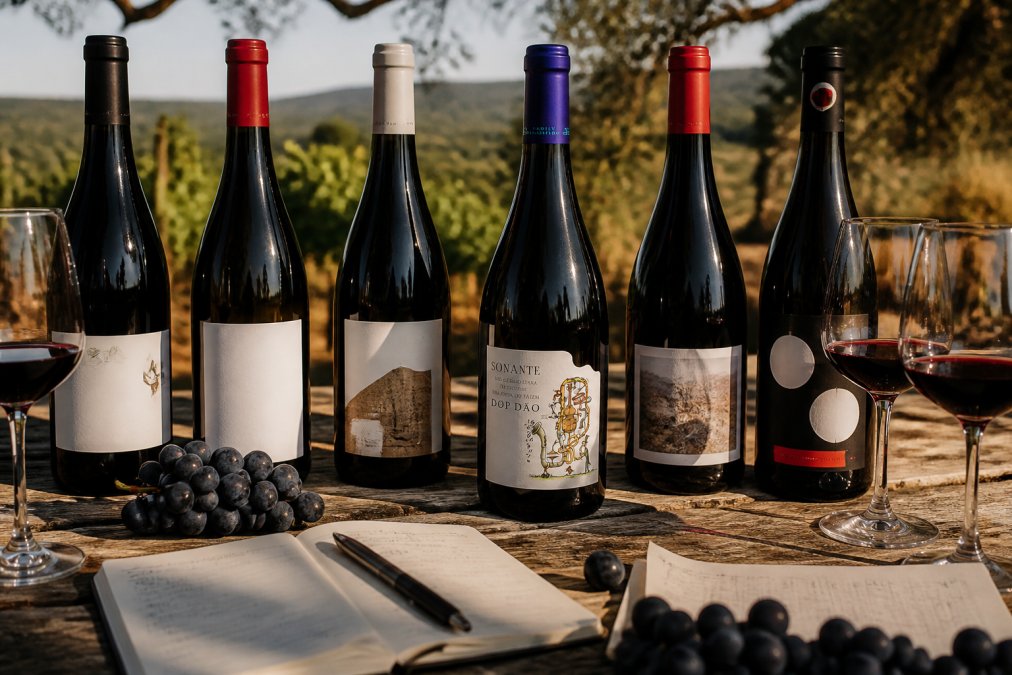
Portuguese red wine regions each excel at different price points and styles.
| Region | Best Price Point | Signature Style | Food Pairing | Aging Potential |
|---|---|---|---|---|
| Dão | £14-18 | Elegant, mineral-driven, structured tannins | Seafood, poultry, lighter meats | 5-8 years |
| Alentejo | £18-25 | Ripe, fruit-forward, powerful | Grilled meats, stews, Mediterranean | 8-12 years |
| Tejo | £15-20 | Versatile, approachable, balanced | Diverse cuisines, bridge wines | 4-7 years |
Dão represents the best value for wines with genuine complexity. A £16 Dão red competes with £24-28 French equivalents. Alentejo excels at the £20-25 price point, delivering serious wines with aging potential and structure. Tejo works best as a volume player at £15-16, offering accessibility without sacrificing quality.
Portuguese Wine Buying Guide for UK Retailers and Restaurants
Understanding DOC and IGP Classifications
Portuguese wine classification uses two primary designations: DOC (Denominação de Origem Controlada) and IGP (Indicação Geográfica Protegida).
DOC wines come from specific regions with strict production standards, including vineyard location requirements, maximum yields per hectare, minimum alcohol levels, and mandatory aging periods. DOC status ensures consistency and protects regional authenticity.
IGP wines offer more flexibility. Producers can source grapes from broader geographic areas and experiment with non-traditional varieties. IGP doesn't mean lower quality, it means fewer restrictions.
For buying decisions, DOC wines offer consistency and regional education. IGP wines offer innovation and flexibility.
Native Grape Varieties and Their Market Appeal
Portuguese wines built around indigenous grape varieties have inherent market appeal. Touriga Nacional is Portugal's flagship red variety, producing wines with dark fruit, structured tannins, and aging potential. Arinto produces crisp white wines with citric freshness and mineral character. Quinta Pousada de Fora's 100% Arinto Reserva demonstrates how a single variety can express terroir complexity.
For retailers and restaurants, native varieties create differentiation and justify premium pricing through authenticity.
Sourcing Direct: Why Family Wineries Matter
Family wineries operating across these regions share common characteristics: smaller production volumes, hands-on winemaking, and direct relationships with buyers. Working with family wineries means consistency and reliability. When you establish a relationship with Casa Américo, Herdade da Calada, or Quinta Pousada de Fora, you're working with producers who have invested decades in their reputation.
It also means access to wines that don't reach major distribution channels. For independent wine shops and restaurants, this is your competitive advantage.
79North Ltd specializes in connecting independent buyers with family wineries across Portugal and Italy, handling logistics, customs, and relationship management. We represent family-owned producers and manage supply reliability, so you avoid the risk of a winery suddenly becoming unavailable. This approach gives independent retailers access to wines like Casa Américo and Herdade da Calada without the logistics headache of direct negotiation.
Quick Comparison: Value Across Regions
| Region | Entry Price | Premium Price | Best For | Why Choose It |
|---|---|---|---|---|
| Dão | £14 | £20 | Elegant wines, mineral-driven character | Highest complexity-to-price ratio, native varieties, food-friendly |
| Alentejo | £18 | £28 | Structured reds, serious wines | Riper fruit, higher alcohol, power and complexity |
| Vinho Verde | £12 | £26 | Freshness, everyday drinking | Accessibility, drinkability, seasonal versatility |
| Tejo | £15 | £22 | Versatile wines, diverse pairings | Bridge wines, approachability, volume potential |
Portuguese wine regions deliver value across every price point. At £14-15, Dão and Vinho Verde offer complexity that costs £20+ elsewhere. At £20-25, Alentejo produces serious wines that justify premium positioning. For independent wine buyers, this means building lists that compete on quality and distinctiveness rather than price alone.
Building a Portuguese wine list requires understanding where value sits across regions and producers. Dão delivers complexity at entry prices. Alentejo produces serious wines at premium points. Vinho Verde offers accessibility and everyday drinking. Tejo provides versatility and volume potential.
Work with producers who understand their terroir, who've invested in quality over volume, and who value long-term relationships over short-term transactions. At 79North Ltd, that's exactly what we do. We connect independent retailers and restaurants with family wineries across Portugal's best regions, handling sourcing, logistics, and relationship management so you can focus on building distinctive wine lists. Let's talk about how we can help you source wines that stand out.
Frequently Asked Questions
Is Dão wine dry, and why is it considered good value?
Yes, Dão wines are typically dry, with crisp acidity and balanced structure. The Casa Américo 2023 Sonante DOP Dão Tinto (£14.00) exemplifies this, offering structured reds with minimal residual sugar that reflect the region's granitic terroir and elevation. Dão delivers exceptional value because the cooler climate and traditional viticulture produce elegant wines without the premium pricing of more famous regions. The indigenous Touriga Nacional grape, combined with Tinta Roriz and Jaen, creates complexity at accessible price points.
What makes Portuguese wine regions offer better value than other European options?
Portuguese regions like Dão, Alentejo, and Vinho Verde benefit from lower production costs, less international competition, and strong terroir without the price inflation of established markets. Family-owned wineries focus on quality over volume, allowing retailers to access wines with Vivino ratings of 3.7-4.3 at £14-£21 per bottle. The price-to-quality ratio is exceptional: a structured red from Alentejo aged in French oak (Herdade da Calada 2020, £21.00) competes with wines costing 50% more elsewhere. Indigenous varieties like Jampal and Arinto add uniqueness that justifies premium positioning without premium costs.
Which Portuguese region should I stock for everyday restaurant service?
Vinho Verde and Tejo are ideal for high-volume service. Vinho Verde offers crisp, food-friendly whites (Quinta Pousada 2020 Arinto Reserva, £26.00) with natural acidity for seafood and lighter dishes. Tejo provides versatile reds and whites at accessible prices, the Casal do Conde 2023 Alvarinho (£15.00) and 2021 Merlot (£16.00) work across diverse menus. For fine dining, Dão and Alentejo deliver the structure and complexity that command higher wine-list markups whilst maintaining strong value.
How do I source small Portuguese wineries directly without customs complications?
Work with a dedicated importer like 79North that handles all customs, paperwork, and compliance for UK import. Direct sourcing bypasses middlemen, but requires VAT registration, import documentation, and minimum order volumes, all managed by professional importers. 79North represents family-owned producers and manages supply reliability, so you avoid the risk of a winery suddenly becoming unavailable. This approach gives independent retailers access to wines like Casa Américo and Herdade da Calada without the logistics headache of direct negotiation.
This article was written using GrandRanker