Wine and Food Pairing in Emilia-Romagna: A Restaurant Guide
Table of Contents
- Understanding Regional Wine and Food Pairing Principles
- Lambrusco Food Pairing: Sparkling Wine with Local Specialties
- Sangiovese di Romagna Food Pairing for Meat and Pasta Dishes
- Pignoletto Wine Pairing with Lighter Regional Fare
- How to Choose a Restaurant for Wine Pairing Experiences
- Ordering and Tasting Etiquette at Fine-Dining Establishments
- Wine Pairing by Budget and Dining Format
- Pairing Options for Dietary Preferences and Non-Alcoholic Alternatives
- Frequently Asked Questions
Last Updated: October 8, 2026
Understanding Regional Wine and Food Pairing Principles
Wine and food pairing in Emilia-Romagna starts with one simple idea: match the wine's weight to the dish's weight. A light wine pairs with light food. A bold wine pairs with bold food.
The region's culinary traditions run deep. Emilia-Romagna sits in northern Italy, famous for rich, savoury dishes. The wines here reflect that. They're designed to cut through fat, complement umami, and enhance flavour rather than compete with it.
This is where most guides get it wrong. They treat pairing like a rigid rule book. In reality, it's about balance. A sparkling wine cuts through cream. A structured red complements aged cheese. An aromatic white brightens fresh pasta.
At 79North Ltd, we work with independent restaurants and wine shops across the UK to source authentic regional wines that actually work with these dishes. The producers we represent understand terroir and tradition. Their wines aren't engineered for mass appeal, they're made to pair with real food, real meals, real moments.
Here's what matters most when you're building a wine list for your restaurant or shop:
- Match acidity levels to dish acidity
- Consider tannins alongside protein and fat content
- Think about regional heritage, local wines evolved with local food
- Balance alcohol strength with dish intensity
- Account for cooking methods and sauces
The best pairing experiences happen when you understand why a wine works, not just that it does.
Lambrusco Food Pairing: Sparkling Wine with Local Specialties
Lambrusco is Emilia-Romagna's signature sparkling wine. It's slightly sweet, lightly fizzy, and refreshingly low in alcohol. Most people outside Italy have never tasted it properly.
This wine is brilliant with rich, fatty foods. Think pork-based dishes, fried foods, and creamy pastas. The bubbles cleanse your palate. The acidity cuts through richness. The subtle sweetness balances salt and spice.
Common pairings work exceptionally well:
- Tortellini in cream sauce, the fizz breaks the richness
- Fried gnocco with cured meats, the acidity complements salt
- Mortadella and pâtés, the bubbles refresh between bites
- Lasagne Bolognese, the wine's lightness doesn't overpower the dish
- Roasted pork shoulder, the sweetness balances savoury meat
Lambrusco also pairs with street food. Piadina (flatbread filled with cheese and cured meat) becomes a complete meal with a glass of Lambrusco. The wine's casual nature matches the informal eating experience.
When you're sourcing Lambrusco for your establishment, look for producers committed to traditional methods. Many industrial versions taste like sweet fizzy juice. Authentic Lambrusco has structure, complexity, and genuine terroir. The wines we represent at 79North Ltd come from family-owned producers who've been making this wine for generations, not decades.
Price varies widely.
Sangiovese di Romagna Food Pairing for Meat and Pasta Dishes
Sangiovese di Romagna is a structured red wine with firm tannins and bright acidity. It's the backbone of many restaurant wine lists across the region.
This wine works beautifully with meat-based sauces, aged cheeses, and grilled proteins. The tannins grip meat fats. The acidity cuts through richness. The wine's earthiness complements umami-rich ragù sauces.
Key pairings that define regional dining:
- Tagliatelle al ragù, the classic pairing that defines Bolognese cuisine
- Aged Parmigiano Reggiano, tannins and cheese create perfect synergy
- Grilled steak or roasted lamb, the wine's structure matches meat intensity
- Tortellini filled with meat, the acidity brightens the rich filling
- Slow-cooked beef dishes, the wine's depth complements long cooking
Sangiovese di Romagna operates as a workhorse wine. It's versatile enough for multiple courses. It's approachable enough for casual dining. It's serious enough for fine-dining experiences.
The DOC (Denominazione di Origine Controllata) designation means the wine meets strict regional standards. Look for producers who age their wine properly.
When selecting Sangiovese for your wine list, consider vintage variation. Warmer years produce riper, fuller wines. Cooler years create more elegant, structured expressions. Both styles work with food. The choice depends on your restaurant's overall direction.
Pignoletto Wine Pairing with Lighter Regional Fare
Pignoletto is Emilia-Romagna's distinctive white wine. It's dry, mineral-driven, and slightly sparkling in its traditional form. The DOCG (Denominazione di Origine Controllata e Garantita) designation reflects its quality standards and regional importance.
This wine shines with lighter dishes. Fresh pasta, seafood, lighter vegetable preparations, Pignoletto enhances without overwhelming.
Pignoletto pairs exceptionally well with:
- Fresh egg pasta with butter and sage, the wine's acidity balances richness
- Risotto with vegetables, the minerality complements earthiness
- Fresh fish preparations, the wine's delicacy matches delicate proteins
- Soft cheeses, the acidity cuts through creaminess
- Vegetable-forward dishes, the wine's brightness enhances natural flavours
Pignoletto works as an aperitif wine too. Slightly sparkling versions pair perfectly with antipasti platters. The bubbles and acidity prepare your palate for the meal ahead.
Many UK wine lists overlook Pignoletto in favour of more familiar whites. This represents a missed opportunity. The wine offers genuine terroir expression and regional authenticity. Customers seeking something beyond standard Pinot Grigio respond well to Pignoletto's character and story.
The wines we source through 79North Ltd showcase what small producers achieve with this variety. These aren't mass-market expressions, they're expressions of specific vineyard sites, specific vintage conditions, and specific winemaking philosophies.
How to Choose a Restaurant for Wine Pairing Experiences
Choosing the right restaurant transforms a meal into an experience. The wrong choice wastes your time and money.
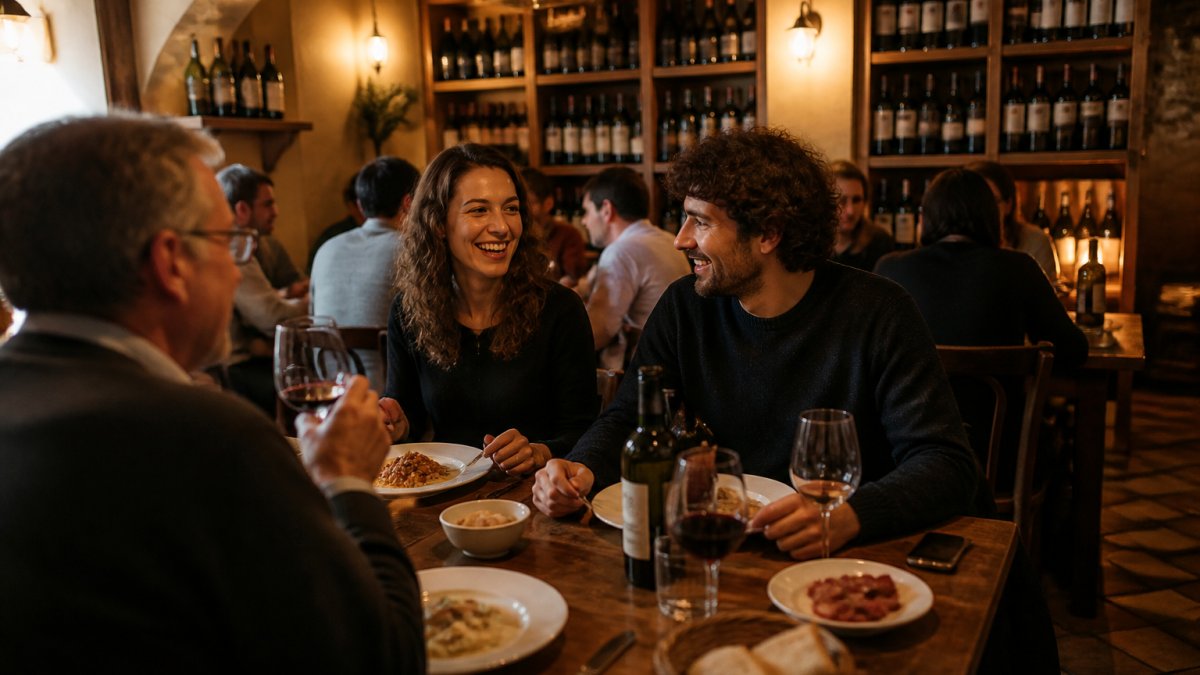
Start by checking the wine list. A serious wine list tells you everything. Does it feature regional wines? Are there multiple price points? Do the descriptions show knowledge or generic marketing speak? A restaurant that understands pairing puts thought into every selection.
Ask about the sommelier or wine staff. A knowledgeable person behind the bar changes everything. They can recommend pairings based on your preferences. They can explain why a specific wine works with a specific dish. They can adjust recommendations based on budget.
Look for these specific signals:
- Wine list organised by region or style, not just alphabetically
- Descriptions that explain why wines pair with dishes
- Staff who ask questions before recommending wine
- Flexibility with wine ordering, can you order by the glass?
- Willingness to work with dietary restrictions
Check online reviews specifically mentioning wine service. Real customers mention whether staff knew their recommendations. They mention whether pairings actually worked. They mention whether they felt pressured or guided.
Visit during quieter times first. You'll get better attention from staff. You'll understand the restaurant's approach without the chaos of peak service. You'll know whether to return during special occasions.
Budget matters.
Ordering and Tasting Etiquette at Fine-Dining Establishments
Fine-dining wine service follows specific protocols. Understanding these prevents awkwardness and ensures you get what you want.
When the sommelier presents the wine list, take your time. Ask questions. "What pairs well with what I'm ordering?" or "What's your personal recommendation?" shows engagement without pretence. Good sommeliers enjoy these conversations.
State your budget if you're uncertain. Professional wine staff respect honesty. They'll find something excellent within your range rather than pushing expensive bottles.
When the sommelier presents your chosen bottle, examine the label. Verify it matches what you ordered, vintage, producer, and wine type. This protects against mistakes or substitutions.
The sommelier opens the bottle and pours a small taste into your glass. Smell it first. Look for off-odours indicating cork taint or oxidation. Taste it. Assess whether it's fresh and clean. Nod approval if it's fine. The sommelier then pours for your table.
During the tasting:
- Sip slowly between bites of food
- Notice how the wine changes with each course
- Ask the sommelier questions about the wine's characteristics
- Mention what's working well, this helps future recommendations
- Don't hesitate to mention if something isn't working
If a wine truly tastes faulty, cork taint, obvious oxidation, or spoilage, mention it immediately. Professional establishments replace faulty bottles without hesitation. This isn't complaining. It's quality control.
Never feel pressured to finish wine you're not enjoying. Sommeliers understand that preferences vary. They'd rather help you find something better than watch you suffer through a bottle.
Wine Pairing by Budget and Dining Format
Budget shapes your wine pairing strategy. Understanding this helps you make confident choices across different dining scenarios.
Casual dining:
Look for younger wines, lesser-known producers, or wines from warmer vintages. These offer immediate drinkability without requiring age or premium positioning. Lambrusco excels here, it's affordable, approachable, and genuinely pairs with casual food.
Skip expensive bottles.
Mid-range dining:
This is where wine pairing truly shines. You can afford wines with genuine complexity. You can explore different producers. You can try wines you might not buy for home drinking.
Fine dining:
Premium pricing justifies premium wine selections. Older vintages, prestigious producers, and rare expressions become accessible.
| Dining Format | Budget per Bottle | Wine Style | Pairing Focus |
|---|---|---|---|
| Casual | Under £15 | Young, approachable | Immediate drinkability |
| Mid-range | £15-30 | Structured, regional | Complexity and terroir |
| Fine dining | £30+ | Premium, aged | Prestige and rarity |
Restaurant wine markup reality:
Restaurants typically mark up wine. This covers staff training, storage, and service costs. Understanding this helps you assess value rather than feeling overcharged.
Some restaurants offer better value through wine bars, casual service, or specific promotional pricing. Look for these opportunities without compromising quality.
Pairing Options for Dietary Preferences and Non-Alcoholic Alternatives
Not everyone drinks alcohol. Not everyone eats all foods. Wine pairing experiences should accommodate these realities.
For vegetarian and vegan diners:
Emilia-Romagna's vegetable preparations pair beautifully with wine. Risotto with mushrooms, pasta with seasonal vegetables, and fresh salads all work with regional wines.
Pignoletto pairs exceptionally well with vegetable-forward dishes. The wine's acidity and minerality enhance rather than overpower. Lambrusco works with fried vegetables and creamy preparations. Even lighter Sangiovese works with hearty vegetable dishes.
The key: focus on preparation and sauce rather than the absence of meat. A rich vegetable ragù pairs similarly to meat ragù.
For non-drinkers:
Quality non-alcoholic options deserve serious consideration. Sparkling water with fresh herbs offers a palate cleanser. Fresh juices complement certain dishes. Herbal infusions work with lighter preparations.
Some restaurants now offer alcohol-free wine alternatives, dealcoholised wines that retain flavour complexity. These aren't perfect, but they show commitment to inclusive dining.
The best approach: ask your sommelier or server. They can suggest pairings that work without alcohol. A knowledgeable establishment treats this as seriously as wine pairing.
For guests with allergies or restrictions:
Communicate clearly before ordering. Explain what you can and cannot consume. Ask the sommelier about wine production methods, some wines use animal products in clarification. Some contain sulphites that trigger reactions.
Professional establishments have this information. They'll guide you toward suitable options rather than guess.
Wine and food pairing transforms restaurant meals from transactional experiences into memorable moments. The wines we represent at 79North Ltd come from producers who understand this deeply. They craft wines designed to enhance food, celebrate terroir, and tell stories about where they come from. When you're building a wine list for your independent restaurant or selecting stock for your wine shop, that authenticity and intentionality matter.
Frequently Asked Questions
What is a good wine pairing with Italian food from Emilia-Romagna?
The region's signature wines pair naturally with local dishes. Lambrusco complements cured meats and rich pasta dishes like tagliatelle al ragù. Sangiovese di Romagna works with grilled meats and tomato-based sauces. Pignoletto pairs with lighter fare, seafood, and vegetable-forward dishes. The key is matching the wine's acidity and body to the dish's richness and flavour intensity.
Which Emilia-Romagna wine should I choose with pasta and Parmigiano Reggiano?
Sangiovese di Romagna is the classic pairing for pasta dishes featuring Parmigiano Reggiano, particularly with meat ragù. The wine's moderate tannins and acidity cut through the cheese's saltiness and the sauce's richness. Lambrusco can also work if the pasta is served with lighter toppings. For cream-based pasta, Pignoletto offers a fresher alternative that won't overpower delicate sauces.
How do I choose a wine to match a restaurant dish if I'm unfamiliar with the menu?
Ask the sommelier or server for guidance, they know the specific ingredients and preparation method. Describe the dish's main components: protein type, sauce weight, and cooking method. If ordering wine by the glass, start with a versatile option like Sangiovese di Romagna or Pignoletto that pairs broadly across the menu. For a tasting menu, request wine pairings from the restaurant; many fine-dining establishments offer curated selections.
What should I do if a wine pairing doesn't work with my dish?
In quality restaurants, inform your server immediately. Most establishments will offer an alternative wine or adjust your selection without charge. Don't hesitate to ask for a different pairing, restaurants expect this and view it as an opportunity to improve your experience. If ordering a bottle, a reputable restaurant will work with you to find a better match from their wine list.