
Affordable Dão Wine for Dinner: A Guide to Selection
Table of Contents
- What Makes Affordable Dão Wine the Right Choice for Dinner
- Is Dão Wine Dry? Understanding the Style and Structure
- Affordable Portuguese Red Wine from Dão: What to Look For
- Dão Wine Food Pairing: Red Wines with Dinner Dishes
- Dão White Wine Pairing: Lighter Options for Your Table
- Sourcing Affordable Dão Wine: Availability and Pricing
- Serving and Storage Guidance for Dão Wines
- Frequently Asked Questions
Last Updated: October 10, 2026
What Makes Affordable Dão Wine the Right Choice for Dinner
Affordable Dão wine delivers elegance without the premium price tag. The region produces wines with balance, freshness, and character that work beautifully at the dinner table. Dão consistently offers excellent value for independent restaurants and wine shops looking to stock distinctive bottles that won't break the budget.
What sets Dão apart is its terroir. The region sits at high altitude on granitic soils, which creates naturally fresher wines with crisp acidity and refined tannins. This combination makes Dão wines versatile with food. You get genuine quality without paying for a famous label.
The wines from this region work for multiple occasions. A Dão red pairs with roasted meats, game, and hearty dishes. A Dão white complements fish, lighter proteins, and cheese. For restaurants and retailers, this versatility means fewer bottles sitting on shelves unsold. For dinner hosts, it means one bottle can work across different courses and dishes.
Pricing matters too. Casa Américo's 2023 Sonante range, for example, comes in at £14 per bottle and delivers the balance and character diners expect from a proper dinner wine.
Is Dão Wine Dry? Understanding the Style and Structure
Yes, Dão wines are dry. Both the red and white varieties from this region produce little to no residual sugar. The wines focus on acidity, tannin structure, and fruit character rather than sweetness.
This dryness is fundamental to how Dão wines work at the table. Dry wines pair more broadly with food than sweet ones. They won't clash with savoury dishes. The acidity cuts through rich foods and cleanses the palate between bites.
Understanding the structure helps you recommend the right bottles:
- Red Dão wines typically show medium body with bright red fruit, subtle spice, and refined tannins. The acidity balances the tannins, creating wines that feel elegant rather than heavy.
- White Dão wines display crisp acidity, tropical and floral notes, and a clean finish. They're fresh without being thin, with enough weight to stand up to substantial dishes.
The pH and acidity levels in Dão wines are carefully balanced. Casa Américo's 2023 Sonante Tinto, for instance, has a pH of 3.75 and total acidity of 5.2 g/L.
This dry character means Dão wines work for diners who want traditional wine pairings. You won't find sweetness masking poor winemaking or cheap fruit. What you taste is the region's terroir and the winemaker's craft.
Affordable Portuguese Red Wine from Dão: What to Look For
When selecting affordable Portuguese red wine from Dão, focus on grape varieties, vintage, and producer reputation. These factors determine whether you're getting genuine value or just a cheap bottle.
Grape varieties matter most. The classic Dão reds blend Tinta Roriz, Jaen, and Touriga Nacional. Tinta Roriz brings structure and red fruit. Jaen adds freshness and elegance. Touriga Nacional contributes depth and complexity. A wine with all three offers balance. Single-varietal Dão reds exist but are less common and often pricier.
Look for vines aged 15 years or older. Older vines produce more concentrated fruit and better-structured wines. Casa Américo's Sonante Tinto uses vines between 15 and 40 years old, grown on granitic soils at 400-600 metres altitude. That elevation and soil type create wines with natural freshness, exactly what you want in an affordable red.
Vintage selection is straightforward. Recent vintages (2022-2023) offer the freshness Dão does best. Older vintages can work if you're stocking for cellaring, but for dinner wine, current releases make sense. They're fresher, more vibrant, and ready to drink now.
Producer track record separates good bottles from mediocre ones. Small family estates with consistent winemaking produce reliable wines year after year. They care about reputation more than volume. When you find a producer you trust, you can confidently stock their wines knowing diners will enjoy them.
The fermentation and ageing process also signals quality. Look for wines fermented in stainless steel at controlled temperatures, then aged briefly in wooden barrels. This approach preserves the region's fresh character while adding subtle texture. Avoid heavily oaked Dão reds, they lose the region's defining elegance.
Dão Wine Food Pairing: Red Wines with Dinner Dishes
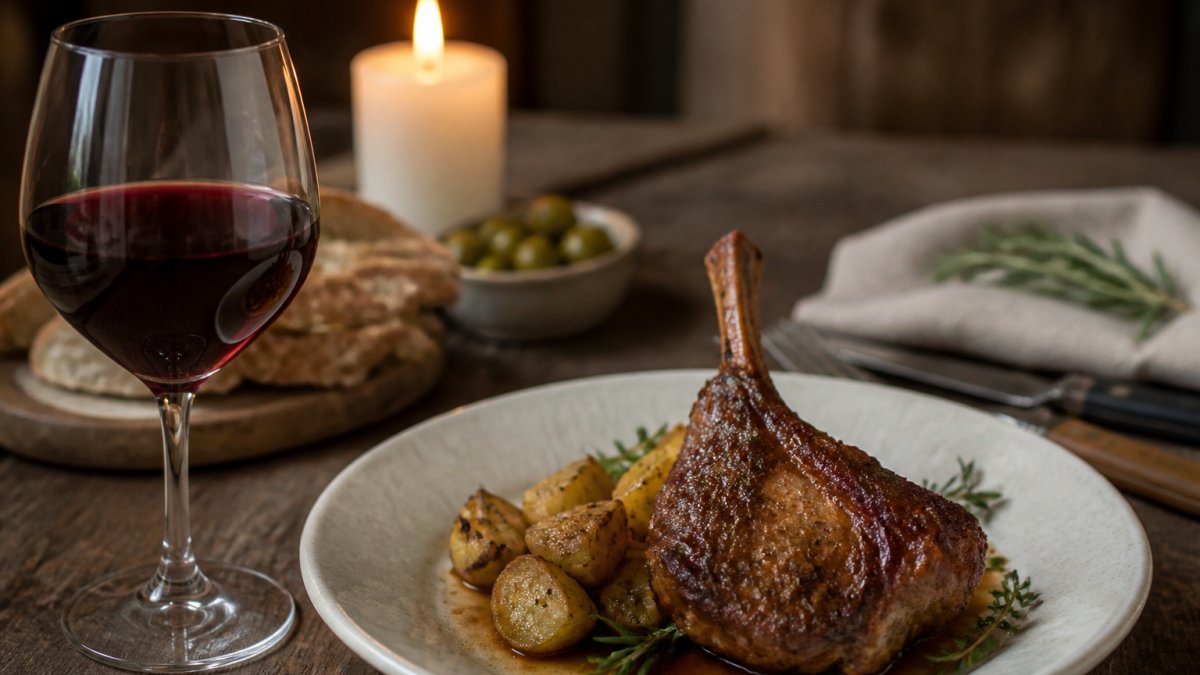
Dão red wines pair exceptionally well with the proteins and dishes that define dinner. The acidity and balanced tannins work across multiple courses and flavour profiles.
With roasted meats, Dão reds shine. Roasted lamb, beef, and veal all benefit from the wine's structure. The tannins match the meat's richness without overwhelming it. The acidity cuts through fat and cleanses the palate.
With game and rich stews, the wine's freshness prevents heaviness. Duck, venison, and beef stew are natural matches. The wine's fruit character complements the meat's intensity without competing. Serve slightly cool to emphasise the acidity.
With aged cheese, Dão reds work well. Hard cheeses like Serpa or aged Azeitão pair particularly nicely. The tannins and acidity match the cheese's complexity. The fruit doesn't clash with savoury, sometimes peppery notes.
With mushroom dishes, the earthy tannins create harmony. Mushroom risotto, roasted mushrooms, or mushroom-based sauces pair naturally with Dão reds. The wine's structure supports umami flavours without overshadowing them.
The key is matching the wine's weight to the dish. Medium-bodied Dão reds work with medium-intensity proteins. They're not light enough for delicate fish, nor heavy enough for the richest game. But within that range, they're remarkably versatile. For independent restaurants, this versatility means you can recommend the same wine across multiple dishes on your menu.
Dão White Wine Pairing: Lighter Options for Your Table
Dão white wines offer freshness, elegance, and food-friendly acidity. They work for lighter proteins, seafood, and dishes where you want a crisp counterpoint rather than a rich match.
With fish and seafood, Dão whites are natural partners. The acidity complements delicate fish like sea bream or sole. With shellfish, the wine's mineral notes echo the ocean flavours. River trout, a traditional Portuguese dish, pairs beautifully with Dão white. The wine's freshness doesn't overpower the fish's subtle taste.
With lighter poultry, particularly chicken and turkey prepared simply, Dão whites work well. Roasted chicken with herbs, chicken in white wine sauce, or poached turkey all benefit from the wine's crisp character. The wine supports the dish without dominating it.
Casa Américo 2023 Sonante DOP Dão Tinto →
With fresh cheeses and lighter dairy, Dão whites are excellent. Creamy goat's cheese, soft cow's milk cheeses, and fresh mozzarella pair nicely. The acidity cuts through richness while the wine's fruit complements mild flavours.
With vegetable-forward dishes, including salads with substantial components, Dão whites work well. Asparagus, artichokes, and grilled vegetables pair naturally. The wine's tropical and floral notes complement vegetable sweetness without clashing.
Casa Américo's 2023 Sonante Branco exemplifies what makes Dão whites special. Fermented at controlled temperature in stainless steel to preserve aromatic purity, it opens with perfumed aromas of tropical fruit and wild country flowers. On the palate, generous fruit is supported by crisp acidity. The residual sugar is minimal (0.80 g/L), keeping the wine dry and food-friendly.
Serve Dão whites chilled but not ice-cold. Between 8-10°C allows the wine's aromatics to emerge while maintaining refreshing crispness. At the table, the wine remains fresh throughout the meal, supporting multiple courses without fatigue.
Sourcing Affordable Dão Wine: Availability and Pricing
Finding quality affordable Dão wine requires knowing where to look and what to expect in terms of pricing and availability.
Pricing structure for genuine Dão wines typically ranges from £12 to £20 per bottle at wholesale. Retail prices sit between £18 and £28. Below £12, you're likely getting blended Portuguese wine rather than authentic Dão. Above £25 at retail, you're paying for producer reputation or age rather than region alone.
Casa Américo's 2023 Sonante range, available through 79North Ltd, sits at £14 per bottle wholesale. That pricing allows independent retailers to mark up to £20-24 retail while remaining competitive. For restaurants, the same bottle works for wine-by-the-glass programmes without stretching budgets.
Availability depends on your supplier relationship. Major supermarket chains stock limited Dão selections, usually from larger producers. Independent wine merchants and specialist importers carry broader ranges, including smaller family estates.
79North Ltd specialises in sourcing premium Portuguese wines from small, family-owned producers. We represent wineries that wouldn't otherwise reach the UK market independently. Working with us means access to distinctive bottles that larger distributors don't stock. For independent restaurants and retailers, that difference matters.
Ordering and minimums vary by importer. Some require large case purchases. Others work with smaller volumes. 79North Ltd understands that independent restaurants and shops can't absorb massive orders. We work with partners on realistic quantities that match their sales pace.
Consistency and reliability are critical. Small producers sometimes face vintage variations or limited availability. A trusted importer manages those relationships, ensuring you can reorder wines customers enjoy. That's where partnership with an importer like 79North Ltd adds real value beyond just supplying bottles.
Serving and Storage Guidance for Dão Wines
Proper serving and storage ensure Dão wines deliver their best at the table.
Storage conditions matter for any wine, but especially for wines you're stocking for resale or keeping for future service. Store bottles horizontally in a cool, dark place. Ideal temperature is 10-15°C, with minimal temperature fluctuation. Avoid direct sunlight and heat sources.
Serving temperature affects how the wine tastes:
- Red Dão wines serve best at 14-16°C. Slightly cool from room temperature, not warm. This temperature emphasises the wine's acidity and fruit while keeping tannins refined.
- White Dão wines serve at 8-10°C. Chilled but not ice-cold. Too cold suppresses aromatics. Too warm, and the wine feels flabby.
Opening and breathing requires minimal fuss. Dão reds benefit from 15-20 minutes in the glass before serving. You don't need to decant them. The wine opens naturally. Older bottles (five years or more) might benefit from decanting, but recent vintages release their character quickly in the glass.
Glassware influences perception. Use standard wine glasses with a bowl that narrows slightly at the rim. This shape concentrates aromatics and directs wine to the right part of your palate. Avoid oversized glasses or novelty shapes.
After opening, store bottles upright in a cool place. Dão wines keep well for 3-5 days after opening, especially reds. White wines last slightly less time, typically 2-3 days. Cork closures, used on Casa Américo's Sonante range, naturally seal the bottle.
For restaurants, these guidelines mean you can confidently offer Dão wines by the glass. The wines hold up well after opening. For retail customers, clear guidance on storage and serving temperature increases satisfaction and encourages repeat purchases.
Sourcing distinctive, affordable wines for your menu or retail shelves shouldn't mean compromising on quality or reliability. Dão wines offer genuine character at prices that make sense for independent businesses. The region's terroir creates balanced, food-friendly wines that work across multiple dishes and occasions.
At 79North Ltd, we work directly with small Portuguese producers like Casa Américo, bringing their wines to independent restaurants and retailers across the UK. Let's talk about how Dão wines, and our portfolio of distinctive Portuguese imports, can strengthen your wine list or retail offering. Explore our Portuguese wine portfolio
Frequently Asked Questions
Is Dão wine dry?
Yes, most Dão wines are dry. The region's cool climate and granitic soils produce wines with crisp acidity and minimal residual sugar. Red Dão wines like Casa Américo's Sonante Tinto (residual sugar 0.60 g/L) are balanced and elegant rather than fruity or sweet, making them ideal for food pairing at dinner. White Dão wines are similarly dry with vibrant acidity that cuts through rich dishes.
What food pairs well with affordable Dão red wine?
Dão red wines pair beautifully with roasted or grilled meats, including lamb, beef, veal, and game. The balanced tannins and acidity complement traditional Portuguese dishes like roasted lamb with herbs, beef stews, and river trout. They also work well with aged cheese and hearty vegetable dishes. The wine's elegant structure means it won't overpower lighter proteins like roasted chicken.
What is a good affordable Dão wine to serve with dinner?
Casa Américo's 2023 Sonante Tinto is an excellent choice at £14.00 per bottle. Grown on granitic soils at high altitude, it offers bright red fruit aromas, balanced acidity (5.2 g/L), and rounded tannins. The 2023 Sonante Branco white wine is equally affordable at the same price, offering crisp acidity and tropical fruit notes ideal for lighter dinner courses or seafood.
How should I serve Dão wine at dinner?
Serve red Dão wines at 14-16°C, slightly cooler than room temperature. White Dão wines should be served chilled at 8-10°C. Both styles benefit from 15-20 minutes of aeration before serving to allow the wine to open and express its regional character.