
Best Alternatives to Prosecco: Premium Options for 2026
Table of Contents
- Why Look Beyond Prosecco
- Franciacorta vs Prosecco: Italian Alternatives Explained
- Portuguese Sparkling Wine: Espumante and Beyond
- Best Sparkling Wines for Cocktails
- Understanding Production Methods: Méthode Champenoise vs Charmat
- Pairing Alternatives with Food and Occasion
- Conclusion
Last Updated: August 30, 2026
Why Look Beyond Prosecco
Prosecco dominates the sparkling wine market, but alternatives offer depth, complexity, and genuine terroir expression that the category's bestseller often lacks. For restaurants, wine shops, and independent venues, exploring alternatives isn't about dismissing Italian fizz, it's about discovering wines that command better margins, tell stronger stories, and differentiate your offering.
The challenge with Prosecco is saturation. Every supermarket stocks it. Price compression is relentless. When building a distinctive wine list, you need bottles that stand out. Portuguese espumantes, Italian Franciacorta, and méthode champenoise wines from emerging regions deliver celebratory sparkle with markedly different flavour profiles, production stories, and price positioning.
At 79North Ltd, we connect UK independent retailers and restaurants with family-owned producers from Portugal and Italy who craft sparkling wines rivalling Prosecco in quality but operating in entirely different market categories. These producers understand that alternatives to Prosecco succeed through genuine differentiation, native grape varieties, smaller production runs, or sustainability practices that resonate with modern diners.
The real opportunity lies in understanding what each alternative brings. Some excel as aperitifs. Others shine in cocktails. A few are serious food-pairing wines that elevate tasting menus. This guide walks you through the best alternatives to Prosecco across these dimensions, helping you make informed sourcing decisions.
Franciacorta vs Prosecco: Italian Alternatives Explained
Franciacorta is the Italian alternative to Prosecco that commands immediate respect among serious wine professionals. Both are Italian sparkling wines, but the comparison ends there. Franciacorta uses méthode champenoise, the traditional bottle-fermentation method, while Prosecco relies on the faster charmat process, producing larger bubbles and softer complexity.
Franciacorta undergoes a minimum of 18 months aging on the lees (spent yeast cells), though many producers exceed this significantly. This extended contact creates brioche, toast, and hazelnut notes that Prosecco cannot develop. The acidity is tighter. The mousse (bubble structure) is finer and more persistent. For sommeliers and wine buyers, this translates to wines that age gracefully in the glass and pair with serious food.
Pricing sits between Prosecco and Champagne, typically £28-£55 per bottle, compared to Prosecco's £8-£18 range. But the margin story is stronger. Customers perceive the quality premium.
The terroir of Franciacorta, the Lombardy region near Lake Iseo, matters deeply. Cool nights and limestone-rich soils produce high-acidity base wines ideal for sparkling production. Unlike Prosecco, where scale dominates, Franciacorta maintains stricter production controls and smaller volumes.
For independent restaurants and wine shops, Franciacorta represents the strongest direct alternative if your goal is premiumisation. You're competing on quality perception and story, not price. A Franciacorta brut or extra brut works as an aperitif and pairs beautifully with seafood, aged cheese, or lighter meat courses.
Consorzio Franciacorta official production standards
Portuguese Sparkling Wine: Espumante and Beyond
Portuguese espumante represents the most compelling value-driven alternative to Prosecco. Portugal produces sparkling wine across multiple regions using both méthode champenoise and charmat processes, but Portuguese producers stand apart through consistency, quality, and native grape varieties that international wine buyers have overlooked for decades.
Vinho Verde Espumante: Crisp and Affordable
Vinho Verde espumante, the sparkling version of the region's famous wine, is crisp, mineral, and bone-dry when produced as brut or extra brut. The natural acidity is remarkable, often 6-7 grams per litre, creating an "almost saline quality" on the palate.
Vinho Verde espumante works brilliantly as an aperitif and performs exceptionally well in cocktails because that high acidity cuts through spirit and citrus without being overwhelmed. Alcohol is typically lower than Prosecco, often 11-12%, making it ideal for daytime service or lower-ABV preferences.
Pricing is competitive with Prosecco, typically £12-£22 per bottle wholesale, but the story is stronger. You're selling a wine from a specific, protected region with centuries of winemaking tradition. Bubbles are often finer than Prosecco because many producers use méthode champenoise or extended charmat aging.
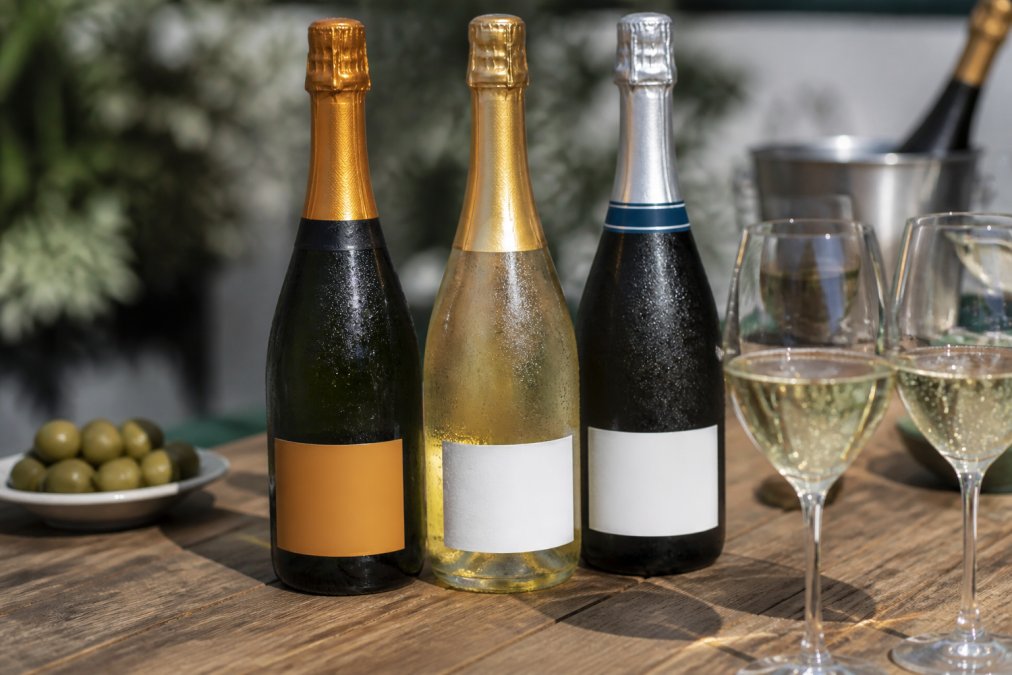
The Quinta Pousada de Fora 2021 Espumante Bruto Natural Branco exemplifies this category's potential. Produced from Loureiro and Arinto grapes using traditional methods with 12 months of bottle aging, it delivers crisp citrus and floral notes with a bone-dry finish and only 0.8 grams per litre residual sugar. At £28 per bottle, it offers complexity that justifies the price against standard Prosecco.
Lisboa Region Sparkling Wines: Complex and Distinctive
The Lisboa region has emerged as Portugal's most exciting sparkling wine zone. The region's warm days, cool Atlantic-influenced nights, and clay-limestone soils produce base wines with excellent structure and aromatic intensity. When transformed into sparkling wines using méthode champenoise, the results rival Franciacorta in complexity while maintaining Portugal's distinctive character.
Lisboa espumante producers often work with native varieties, Jampal, Arinto, Fernão Pires, and Tinta Negra, that international wine buyers rarely encounter. This native-variety story is differentiation and conversation.
The Manz 2018 Espumante Extra Brut Reserva represents the pinnacle of what Lisboa can achieve. Crafted from the nearly extinct Jampal grape, this wine undergoes 24 months of aging sur lie in bottle. The result is remarkable elegance: brioche, citrus, and stone fruit notes with firm, refreshing acidity and only 1.8 grams per litre residual sugar. At £48 per bottle, it's positioned as a serious alternative to Franciacorta or entry-level Champagne. The producer's commitment to preserving a native variety carries weight with discerning customers.
The Quinta Pousada de Fora 2021 Espumante Bruto Natural Rosé, made from Vinhão, Touriga Nacional, and Padeiro de Basto, offers another alternative. This dry, aromatic, complex rosé espumante at £28 per bottle delivers remarkable value for a wine produced using traditional méthode champenoise with 12 months of bottle aging. Residual sugar sits at just 0.6 grams per litre, and acidity (5.7 grams per litre) ensures excellent food-pairing potential.
Best Sparkling Wines for Cocktails
Sparkling wine in cocktails requires high acidity, lower residual sugar, and enough character to stand up to spirits and mixers. This is where many alternatives to Prosecco excel.
The ideal sparkling wine for cocktails has acidity above 6 grams per litre and residual sugar below 2 grams per litre. Vinho Verde espumante, with its natural acidity in the 6-7 gram range, is exceptional in this role. It works beautifully in a Kir Royale, where high acidity prevents cloying sweetness. It's outstanding in Bellini variants with white peach purée, where the mineral quality balances fruit sweetness.
Franciacorta brut and extra brut are equally strong cocktail candidates. Extended aging creates complexity that doesn't disappear when mixed with spirits. A Franciacorta extra brut in a sparkling wine cocktail with gin and citrus becomes far more interesting than the same drink made with Prosecco.
The production method matters here. Méthode champenoise wines develop more complex flavour compounds during extended aging, contributing more character to the final drink. Charmat-process wines like standard Prosecco are designed for fresh, simple consumption; when you add other ingredients, you're often fighting against that simplicity.
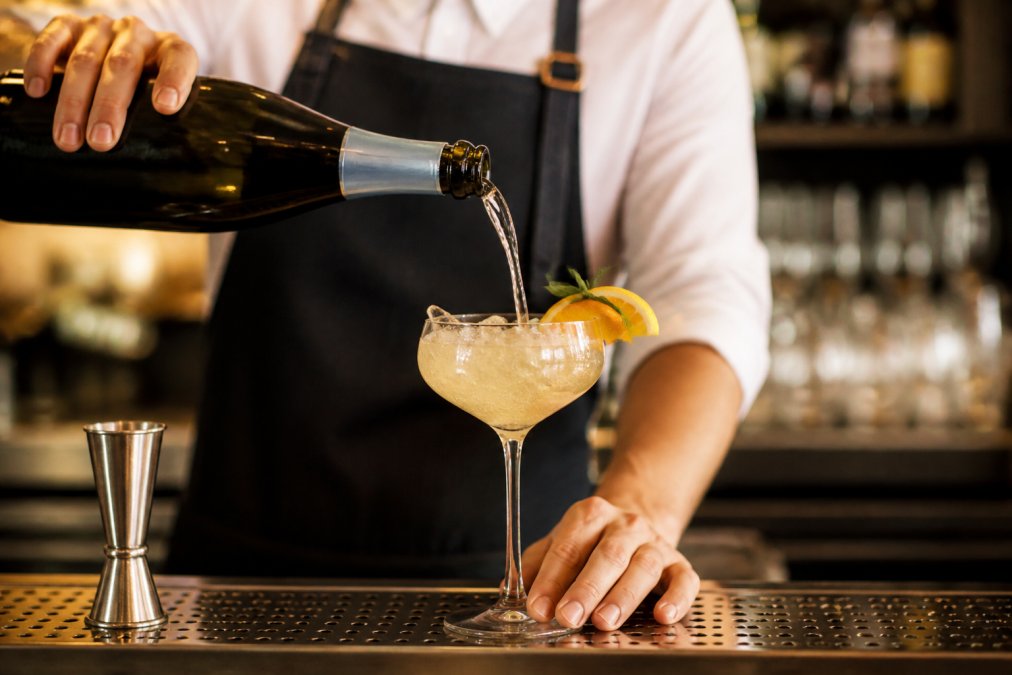
For cocktail programmes, use Vinho Verde espumante for aperitif-style cocktails (light, refreshing, lower ABV) and Franciacorta or Lisboa espumante for spirit-forward cocktails where you want the wine to contribute complexity.
Understanding Production Methods: Méthode Champenoise vs Charmat
The production method is the single most important factor determining how an alternative to Prosecco will perform in your venue. It affects flavour, complexity, bubble structure, aging potential, and price.
Méthode Champenoise involves a second fermentation in the bottle itself. The winemaker adds yeast and sugar to finished wine, seals the bottle, and allows fermentation to create carbon dioxide bubbles. The yeast cells then die and settle as sediment (the lees), where they remain for months or years. During this extended contact, dead yeast cells break down (autolysis) and create brioche, toast, and biscuit flavours that define premium sparkling wines.
Franciacorta, Champagne, and many serious Portuguese espumantes use this method. Franciacorta mandates 18 months minimum aging, though many producers age far longer. The result is finer bubbles, more complex flavours, and wines that age gracefully.
Charmat Process involves second fermentation in a large stainless steel tank rather than individual bottles. The wine is then filtered to remove yeast sediment and bottled under pressure. The entire process takes two to three weeks and costs less. Prosecco uses this method almost exclusively. The result is larger bubbles, fresher fruit flavours, and wines designed for immediate consumption.
The charmat process isn't inferior; it's simply different. For wine buyers sourcing alternatives to Prosecco, this distinction is crucial. If you want a wine offering something genuinely different, not just a cheaper Prosecco alternative, you're looking at méthode champenoise.
Institut Champenois technical guide to sparkling wine production
Some Portuguese producers use extended charmat, where wine remains in the tank longer, allowing some autolysis to occur. These offer excellent value, often £15-£28 per bottle, delivering noticeably more complexity than standard Prosecco.
Pairing Alternatives with Food and Occasion
The best alternatives to Prosecco aren't interchangeable with it; they're better understood as distinct wines suited to different moments and foods.
Aperitif and Celebration: Franciacorta brut or extra brut creates an elegant opening to a meal. Vinho Verde espumante also excels here, lighter, more mineral, slightly lower alcohol, ideal for daytime events.
Seafood Pairing: High-acidity sparkling wines are essential with shellfish and raw fish. Vinho Verde espumante, with its 6-7 gram acidity, is exceptional with oysters, scallops, and ceviche. Franciacorta extra brut works equally well, offering more complexity while maintaining necessary acidity.
Cocktail Base: Vinho Verde espumante and Franciacorta brut are your strongest options. Acidity and lower residual sugar ensure the wine contributes to the drink rather than being overwhelmed.
Cheese and Charcuterie: Franciacorta, particularly older vintages, pairs beautifully with aged cheeses and cured meats. The complexity and structure stand up to salt and fat. Lisboa espumante from native varieties brings regional complement to Portuguese cheese boards.
Dessert and Lighter Sweets: Extra dry or demi-sec versions of Franciacorta or Vinho Verde espumante pair with fruit-based desserts without overwhelming them.
Train your team to understand these distinctions. When a customer orders sparkling wine, ask "What are you drinking it with, and what kind of experience are you after?" This positions alternatives to Prosecco as thoughtful choices rather than substitutes.
Sommelier Association food pairing principles for sparkling wine
For independent wine retailers and restaurants, the shift from Prosecco to alternatives isn't about rejecting Italian fizz, it's about building a more distinctive, profitable wine programme. Franciacorta offers premiumisation and complexity. Portuguese espumante delivers value, native-variety storytelling, and remarkable quality at competitive price points.
At 79North Ltd, we partner with independent venues to source these alternatives directly from family-owned producers who understand that quality, sustainability, and authentic terroir expression are non-negotiable. Our portfolio includes producers like Quinta Pousada de Fora and Manz, whose sparkling wines represent the pinnacle of Portuguese winemaking. When you stock these wines, you're offering customers genuine alternatives backed by producer commitment and regional character.
| Sparkling Wine Type | Production Method | Acidity (g/L) | Best For | Price Point |
|---|---|---|---|---|
| Vinho Verde Espumante | Méthode Champenoise | 6-7 | Aperitifs, cocktails, seafood | £12-£28 |
| Franciacorta | Méthode Champenoise | 5.5-6.5 | Premium aperitifs, food pairing, celebration | £28-£55 |
| Lisboa Espumante | Méthode Champenoise | 5-6 | Serious food pairing, native-variety focus | £28-£48 |
| Prosecco | Charmat | 4-5 | Fresh, immediate consumption | £8-£18 |
Frequently Asked Questions
Q: What is a good replacement for Prosecco?
A: Franciacorta from Lombardy offers similar freshness but with finer bubbles and more complexity from longer ageing. Portuguese Espumante provides excellent value and crisp acidity. For premium alternatives, Jampal-based sparkling wines from Lisboa deliver unique terroir and distinctive flavour profiles that set them apart from mass-produced Prosecco.
Q: What's the closest wine to Prosecco in terms of sweetness and dryness?
A: Brut Nature and Extra Brut sparkling wines match Prosecco's dryness, containing less than 6g/L residual sugar. Vinho Verde Espumante typically sits at around 0.8g/L residual sugar, making it even drier. Check the dosage level on the label: brut indicates minimal added sugar, whilst extra dry actually contains slightly more sweetness than brut.
Q: Are there high-quality sparkling wines from Portugal and Italy that aren't Prosecco?
A: Yes. Portuguese Espumante from Vinho Verde uses traditional méthode champenoise with native grapes like Loureiro and Arinto, offering crisp citrus notes. Manz's Jampal-based Espumante from Lisboa represents a rare, nearly extinct grape variety crafted with 24 months sur lie ageing. Italian Franciacorta uses the same méthode champenoise as Champagne, delivering exceptional complexity and structure.
Q: What should I stock if my customers want sparkling wine for cocktails?
A: Choose wines with higher acidity and lower residual sugar to balance cocktail ingredients. Brut Nature options work best because they won't add unwanted sweetness. Portuguese Espumante's crisp profile pairs well with citrus-based cocktails, whilst Extra Brut Reserva varieties provide complexity for sophisticated aperitif cocktails.
This article was written using GrandRanker