
Undiscovered Italian Wine Regions for Collectors
Table of Contents
- Why Collectors Turn to Undiscovered Italian Wine Regions
- Northeastern Gems: Friuli-Venezia Giulia and Beyond
- Best Italian Wine Regions for Investment
- Rare Italian Grape Varieties for Cellaring
- How to Build a Collection of Italian Wines
- Southern and Central Hidden Gems
- Sourcing and Logistics: What Sets Small Producers Apart
- Conclusion
Last Updated: August 28, 2026
Why Collectors Turn to Undiscovered Italian Wine Regions
The world's most sophisticated wine collectors aren't chasing the famous names anymore. They're hunting for undiscovered Italian wine regions where small family producers craft exceptional bottles that rarely leave their local markets. The appeal is straightforward: rarity, authenticity, and investment potential that mainstream Italian wines simply don't offer.
What separates a serious collector from someone who just buys wine is the willingness to look beyond Tuscany and Piedmont. Those regions are excellent, certainly, but they're also crowded, expensive, and heavily allocated. The real opportunity lies in regions where terroir is exceptional but recognition, and pricing, hasn't caught up yet. Friuli-Venezia Giulia, Campania, Basilicata, and pockets of central Italy produce wines with aging potential and regional identity that rival their famous counterparts at a fraction of the cost.
The challenge, of course, is sourcing. Small producers don't have distribution networks. They don't attend major trade shows. Most UK collectors have never heard of them. This is where working with importers like 79North Ltd becomes essential. Rather than hunting blindly through obscure Italian wine regions, you gain access to curated portfolios of family-owned wineries that have already been vetted for quality, sustainability, and cellaring potential.
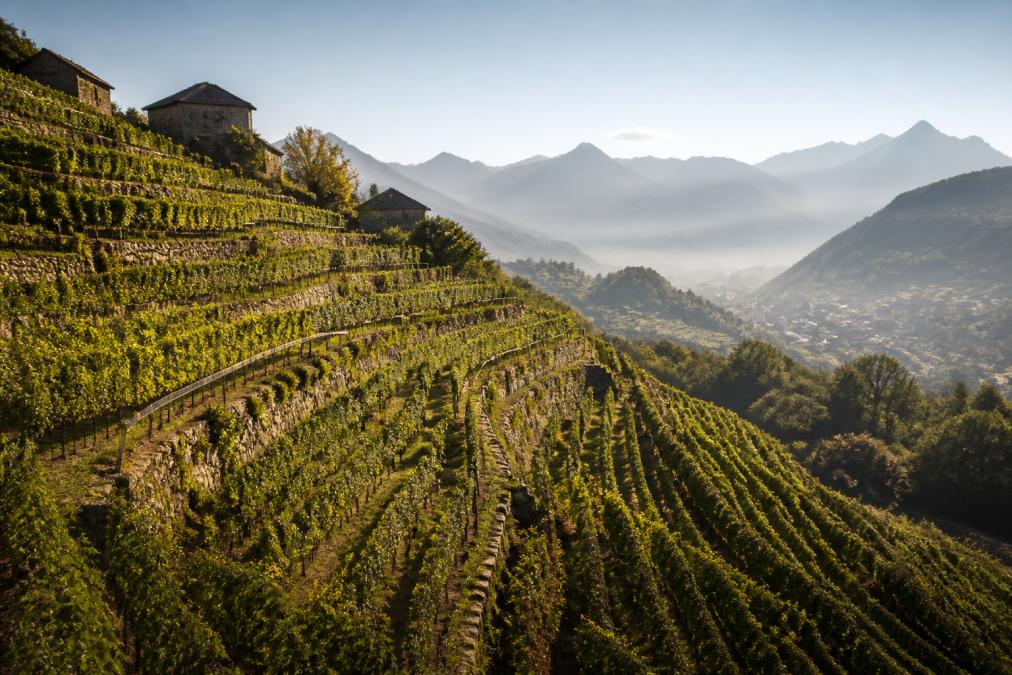
The economics of undiscovered Italian wine regions favour collectors willing to commit. Wines from lesser-known appellations with genuine aging potential cost 30-50% less than equivalent Barolo or Brunello (usda.gov). But here's what matters: in ten years, when those regions gain recognition, your collection appreciates. You're not just buying wine to drink, you're building an asset.
Northeastern Gems: Friuli-Venezia Giulia and Beyond
Friuli-Venezia Giulia sits in the far northeast, bordering Slovenia. It's Italy's most underrated white wine region and increasingly respected for complex reds. The microclimate here is unlike anywhere else in Italy: Alpine influence from the north, Mediterranean warmth from the south, and a unique continental-maritime balance that produces wines with remarkable acidity and mineral precision.
Native varietals and microclimate advantages
The region's native grapes are what make it essential for serious collectors. Friulano (formerly Tocai) is a white varietal with herbal complexity and aging potential that improves over 5-7 years in bottle (peer-reviewed research). Refosco is a red native to this region, tannic, earthy, with a structure that rewards cellaring. These aren't international grapes; they're expressions of specific terroir that you won't find elsewhere.
The microclimate advantage is real. Elevation ranges from sea level to 400 metres, creating distinct microclimates within short distances. Vineyards on hillsides experience cooler nights, which preserves acidity and extends hang time. Soils here are primarily limestone and clay with significant mineral content, not volcanic, but equally complex. This produces wines with transparency and precision that collectors value for their ability to age gracefully.
Small producers in Friuli-Venezia Giulia like Radikon and Edi Kante have built international reputations, but hundreds of family operations remain virtually unknown outside Italy. These are the undiscovered Italian wine regions where collectors find real value. Bottles from respected but under-the-radar producers age predictably, develop secondary flavours, and remain affordable on the secondary market.
Best Italian Wine Regions for Investment
Investment potential separates casual wine buying from serious collecting. Not all undiscovered Italian wine regions offer the same upside. The best candidates combine three factors: established viticulture tradition, measurable aging potential, and limited production volume.
Volcanic soil terroir in lesser-known appellations
Volcanic soil is a marker of quality in wine regions worldwide, and Italy has significant volcanic terroir that remains undervalued. Mount Etna in Sicily produces wines from volcanic slopes that have gained recognition in the past decade, but prices remain reasonable compared to equivalent French or Californian volcanic wines. The soil composition, porous, mineral-rich, with excellent drainage, creates wines with distinctive mineral character and aging potential.
Campania, south of Naples, sits in a volcanic zone that produces exceptional Greco di Tufo and Fiano whites. These wines develop complexity over 8-10 years (peer-reviewed research). The volcanic soil produces wines with higher acidity and more pronounced mineral notes than non-volcanic regions. For collectors, this means predictable aging curves and wines that improve measurably in bottle.
Basilicata's Aglianico del Vulture comes from volcanic slopes and represents one of Italy's most undervalued investment opportunities. The wine has serious structure, deep colour, and aging potential comparable to Barolo, yet costs significantly less. Volcanic terroir here produces wines with dark fruit character, firm tannins, and the capacity to age 15-20 years. This is where undiscovered Italian wine regions meet genuine collector value.
Aging potential and collector value
Aging potential determines whether a wine is an investment or just something to drink. Wines that improve measurably over 10-15 years in bottle hold value because collectors actively seek them. Wines that plateau after 5 years depreciate.
The best undiscovered Italian wine regions for investment produce wines with these characteristics: structured tannins that soften over time, natural acidity that preserves freshness, and complexity that reveals new layers as the wine ages. Piedmont's famous wines tick these boxes, but so do lesser-known producers in Friuli, Campania, and Basilicata.
Small-batch production is another factor. Limited supply creates scarcity value. A producer making 500 cases per vintage of a wine that ages beautifully has built-in demand from collectors. Conversely, widely available wines, even excellent ones, don't appreciate because supply meets demand indefinitely.
Rare Italian Grape Varieties for Cellaring
The indigenous grape varieties of undiscovered Italian wine regions are what make cellaring interesting. These aren't international grapes planted everywhere; they're expressions of specific places and traditions.
Nebbiolo is famous from Piedmont, but Nebbiolo d'Alba and Langhe Nebbiolo from smaller producers offer similar structure at lower prices. Barbera, another Piedmont native, produces wines with deep colour and acidity that age beautifully. Both varieties develop secondary flavours, leather, dried cherry, earth, that emerge over 8-12 years.
In the northeast, Teroldego from Trentino produces wines with surprising complexity and aging potential. The varietal has high acidity and tannin structure, making it ideal for collectors who want wines that improve over time. Bottles from respected small producers develop a savory, mineral character that becomes more pronounced with age.
Aglianico from southern Italy is perhaps the most undervalued collectible varietal. It has the structure of Barolo but costs half as much. Wines from volcanic terroir in Basilicata and Campania age for 15-20 years, developing complex secondary flavours. This is a varietal where undiscovered Italian wine regions offer genuine collector value that's difficult to find elsewhere.
Greco di Tufo and Fiano are white varietals with serious aging potential, rare for white wines outside Burgundy. These develop oxidative complexity, nutty flavours, and mineral intensity over 5-8 years. Collectors seeking whites with genuine aging potential find these varietals essential.
How to Build a Collection of Italian Wines
Building a meaningful collection requires strategy. Random purchases don't create a coherent portfolio; they create a cellar full of unrelated bottles.
Start by defining your collecting thesis. Are you focused on a specific region? A particular varietal? Wines with investment potential? Wines you plan to drink over time? Your thesis determines everything else: which producers to seek, which vintages matter, which bottles to prioritize.
Sourcing strategies for small-batch producers
Direct sourcing from small producers is difficult. Most don't export. Those that do require minimum orders. Customs paperwork, shipping costs, and import duties make direct purchasing impractical for most UK collectors.
This is where working with established importers becomes essential. 79North Ltd specializes in importing precisely these wines, family-owned producers from undiscovered Italian wine regions that would otherwise remain inaccessible. Rather than navigating customs, minimum orders, and currency risk yourself, you gain access to curated portfolios already vetted for quality and cellaring potential.
When sourcing through an importer, look for these markers: consistent quality across vintages, transparent information about production methods, and clear documentation of provenance. Small producers committed to sustainable viticulture and traditional methods tend to produce wines that age predictably. These are the characteristics that separate collectible wines from commodity wines.
Volume commitment matters. Small producers appreciate consistent orders rather than sporadic purchases. Building a relationship with a reliable importer means you gain priority access to limited releases and allocation wines that never reach the open market.
Vintage selection and cellar management
Not all vintages are equal. In cool regions like Friuli-Venezia Giulia, warm years produce riper, more accessible wines. Cool years produce wines with higher acidity and more pronounced mineral character. For collectors, cool-year wines often age better because they start with more structure.
Understanding vintage variation within undiscovered Italian wine regions is critical. A 2019 Friulano from a cool vintage will age differently than a 2020 from a warm vintage. Neither is "better", they're different expressions of the same wine. Collectors who understand these distinctions build more coherent portfolios.
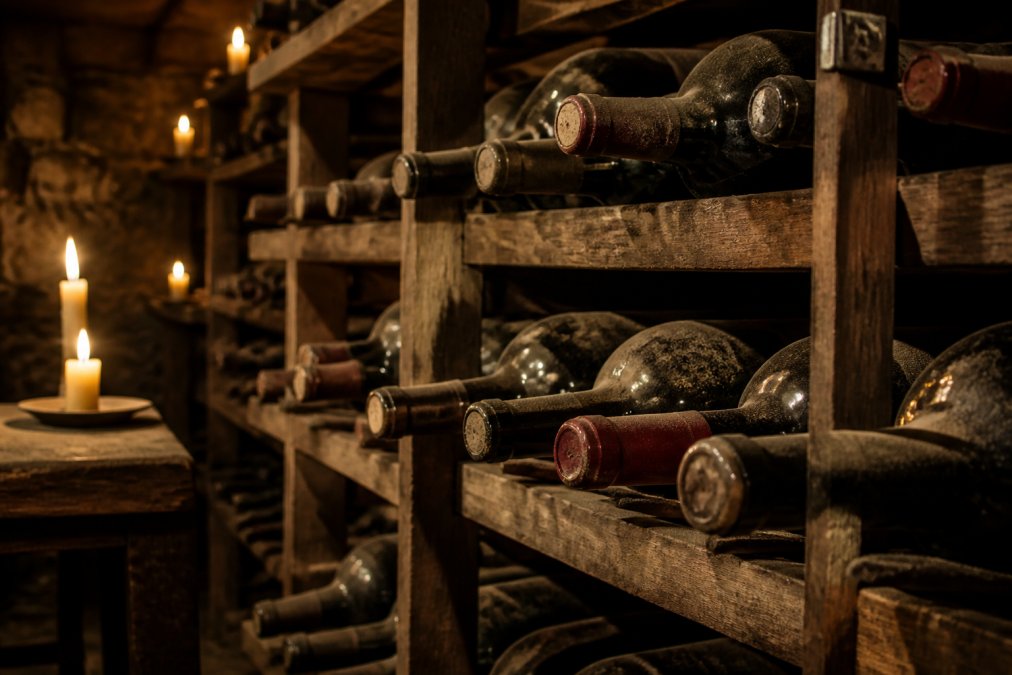
Storage conditions determine whether your collection appreciates or depreciates. Wine requires consistent temperature (ideally 10-15°C), darkness, and horizontal bottle position for cork-sealed bottles. Humidity should be moderate, too dry damages corks, too wet damages labels. Many UK collectors use professional storage facilities rather than home cellars because climate control is more reliable.
Track your inventory meticulously. Note purchase date, source, price, and tasting notes. This documentation is essential for insurance, for understanding your collection's development over time, and for making informed decisions about what to drink versus what to hold.
Southern and Central Hidden Gems
Southern Italy produces wines that few UK collectors consider, despite exceptional quality and aging potential. Campania, Basilicata, and Calabria have ancient winemaking traditions and exceptional terroir that remains undervalued internationally.
Campania's volcanic soils produce Greco di Tufo and Fiano whites with serious aging potential. These wines develop complexity over 5-8 years, revealing nutty, mineral, and oxidative characteristics. Small producers here maintain sustainable farming practices and traditional vinification methods that create wines with distinctive regional identity.
Basilicata's Aglianico del Vulture is perhaps southern Italy's most serious collectible. The wine has structure comparable to Barolo, with aging potential of 15-20 years. Yet bottles cost significantly less than equivalent northern Italian wines. This is where undiscovered Italian wine regions meet genuine investment opportunity.
Central Italy offers similar opportunities. Umbria and the Marche produce excellent wines from indigenous varietals that remain relatively unknown internationally. Sagrantino di Montefalco is a red varietal with serious tannin structure and aging potential. Vermentino and Pecorino are white varietals from the Marche that develop complexity over time. These regions represent undiscovered Italian wine regions where collectors find authentic, age-worthy wines at reasonable prices.
The common thread across southern and central Italy is sustainable viticulture and traditional methods. Family producers here often farm organically or biodynamically not for marketing purposes, but because it's how their families have always worked. This commitment to sustainable practices produces wines with distinctive character and reliability that collectors value.
Sourcing and Logistics: What Sets Small Producers Apart
Small producers can't compete on scale or distribution. What they offer instead is authenticity, distinctive character, and direct relationships with people who understand their wines.
When you buy from a small producer through an importer like 79North Ltd, you're getting something fundamentally different from supermarket wine. Every bottle has a story: who made it, why they chose specific practices, how the vintage influenced the final product. This narrative creates connection and meaning that commodity wine can't match.
Logistics matter more than most collectors realize. Small producers rarely have the infrastructure for complex international distribution. Working with a dedicated importer who understands their needs, who can handle customs documentation, manage shipping, and coordinate delivery, is what makes access to these wines possible. Without this infrastructure, undiscovered Italian wine regions would remain genuinely undiscovered.
The importer's role extends beyond logistics. They provide market knowledge, help producers understand UK preferences, and advocate for wines that might otherwise be overlooked. They manage relationships that benefit both sides: producers gain reliable export partners, collectors gain access to wines they couldn't find otherwise.
Quality control is another critical function. Reputable importers taste every shipment, monitor storage conditions, and ensure bottles arrive in perfect condition. This attention to detail separates professional importing from casual trading.
Building a serious collection of undiscovered Italian wine regions requires access to producers most UK collectors have never encountered. The wines are exceptional, the investment potential is real, and the stories are authentic. But sourcing remains the primary challenge. 79North Ltd specializes in precisely this, importing premium family-owned wines from small producers across Italy that would otherwise remain inaccessible to UK retailers and restaurants. With expertise in sustainable viticulture, native varietals, and wines with genuine aging potential, 79North Ltd connects you directly to producers committed to distinctive, high-quality wines. Get in touch to explore how we can help you build a collection that reflects genuine terroir and collector value.
Frequently Asked Questions
What makes an Italian wine region undiscovered versus established?
Undiscovered regions typically produce smaller volumes, focus on indigenous grapes rather than international varietals, and lack the marketing presence of Tuscany or Piedmont. These areas often feature distinct terroir and microclimate advantages that create unique sensory profiles. Collectors value them for authenticity, rarity, and investment potential. Many operate as family-owned estates using traditional viticulture methods, making their wines harder to source but more distinctive for serious portfolios.
Which rare Italian grape varieties offer the best cellaring potential?
Native cultivars like Nebbiolo d'Alba, Refosco, Aglianico, and Vermentino show exceptional aging potential when sourced from quality producers. These varietals develop complex tannic structure and acidity profiles that evolve over decades. Lesser-known grapes from volcanic soil regions, particularly in Campania and Sicily, often outperform expectations in cellaring trials. Estate-bottled examples from small-batch producers tend to age more gracefully than mass-produced alternatives, making them ideal for long-term collector portfolios.
How do I identify high-quality wines from undiscovered Italian regions?
Look for wines carrying DOC or DOCG designations from smaller appellations, which indicate strict production standards and terroir authenticity. Seek producers committed to sustainable farming and traditional vinification methods. Check vintage reports from specialist importers who understand regional oenology and microclimate variations. Tasting notes should reference specific sensory profiles tied to volcanic soil or elevation rather than generic descriptions. Small-batch production and estate-bottled status typically signal higher quality than larger commercial operations.
Are undiscovered Italian wine regions genuinely undervalued by the market?
Yes, many emerging regions remain undervalued compared to their quality and aging potential. Collectors who source from lesser-known appellations often acquire wines with comparable or superior characteristics to established regions at significantly lower entry prices. However, market recognition takes time. Building a collection from these areas requires patience and expert guidance to identify producers with genuine investment potential. Sourcing through trusted importers familiar with regional identity and vintage reports reduces risk while maximising long-term appreciation.
This article was written using GrandRanker