Do UK Consumers Really Value Indigenous English Wines?
Last Updated: November 1, 2026
Quick Summary
Many UK buyers judge indigenous English wines through familiar cues like price, label design and recognisable regions rather than the grape itself. Shoppers who are knowledgeable and buy often tend to accept unfamiliar varieties, while occasional buyers need a clear bridge to a style they already know.
- Use plain phrases like native variety or unfamiliar variety rather than the single word indigenous on shelf talkers.
- Segment buyers by knowledge and purchase frequency first, and by age second.
- Describe unfamiliar wines in terms of styles the drinker already knows, such as crisp with citrus.
- Make sure the price is supported by the wine's typicity, since storytelling cannot justify a price the taste does not support.
Table of Contents
- What Indigenous Means on an English Wine Label
- Which Grape Varieties Count as Indigenous to England
- How Consumers Form a View of Wine Quality
- Intrinsic and Extrinsic Cues in English Wine Buying
- How Perceptions Differ by Age, Knowledge and Purchase Frequency
- Price Expectations, Typicity and Perceived Value
- Booking a Tasting of Native Portuguese and Italian Varieties
- Frequently Asked Questions
Do UK consumers really value indigenous English wines? The answer is more nuanced than marketing copy usually admits. Many buyers reach for a familiar bottle without reading the back label at all, and that habit shapes how native grapes are received. For independent retailers and restaurants choosing what to list, the question of how drinkers judge unfamiliar varieties matters a great deal. This article looks at how shoppers form a view of quality, where indigenous varieties fit into that judgement, and what it means for anyone choosing wines to sell.
What Indigenous Means on an English Wine Label
Indigenous, in the sense most wine buyers mean it, refers to a grape variety that developed in a particular place rather than one spread from elsewhere. For a concrete example, see the history of indigenous Portuguese grape varietals. The word is used loosely, though, and that looseness causes confusion at the shelf. A label can describe a wine as indigenous without telling the drinker whether the variety is native to the region, the country or simply uncommon in the market.
It helps to separate three claims that shoppers routinely conflate. The first is a variety native to a defined territory, a grape with a long, documented history in one place and no meaningful history elsewhere. The second is a variety that is merely local or regional in reputation, grown mainly in one area but not exclusive to it. The third is a variety that is simply unfamiliar on this market, which says nothing about where it originated. Only the first is a strict indigenous claim, and it is the one most likely to be tested by a curious drinker.
Regulation adds a further layer. Protected designations such as Protected Designation of Origin (PDO) and Protected Geographical Indication (PGI) are set out in UK food and drink labelling rules; check the official guidance for current requirements. A PDO or PGI name tells the buyer that a wine comes from a defined area and follows a product specification, but it does not by itself certify that the grape is indigenous. Those are separate questions, and a shelf talker that blurs them will eventually be caught out by a knowledgeable customer.
For the trade, the practical test is simple: can you state, in one sentence, what the indigenous claim actually rests on? If the answer is 'the variety has been grown here for centuries and is rarely found elsewhere', say so. If the answer is 'the variety is uncommon on this market', say that instead. Precision builds trust, and trust is what converts a curious browser into a repeat buyer.
Which Grape Varieties Count as Indigenous to England
England's own vineyards are dominated by varieties bred or selected in other countries, which is why "indigenous English grape" is a harder claim to make than it sounds. Find out how to overcome the challenges of growing native grape varieties. Most English wine is built on Germanic and Champagne-derived varieties, and the handful of crosses developed locally are often less familiar to consumers than their names suggest.
For buyers who want genuinely native character, the more reliable story is found in Portugal and Italy. Our portfolio includes Jampal, a Lisbon-region white, alongside other native Portuguese and Italian varieties. Read more about indigenous Portuguese grape varieties and what they offer. Whether an English grape can make the same claim depends on the variety and the evidence behind it, so check the origin before you promote it.
How Consumers Form a View of Wine Quality
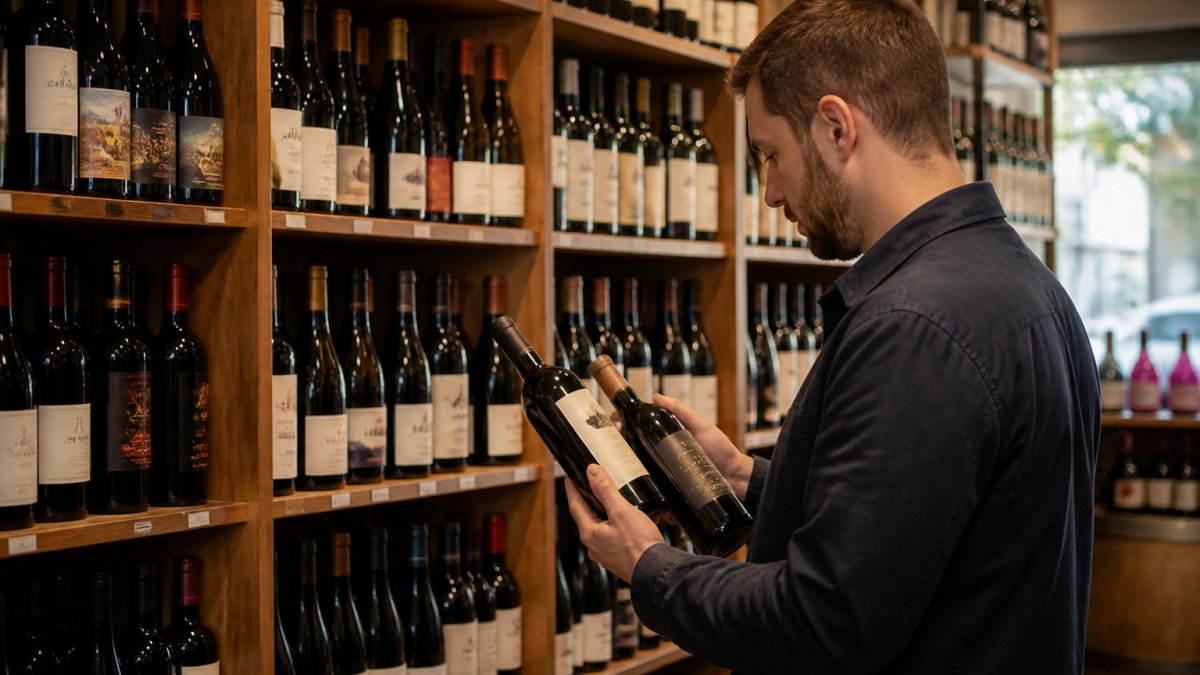
Shoppers rarely taste before they buy, so they rely on cues. Price, label design, a recognisable region and a trusted recommendation all feed into an assumption about quality. An unfamiliar grape name removes one of those cues, which is why many drinkers hesitate even when the wine itself is well made.
Trial solves this, but only once the drinker has the bottle in hand. A short tasting or a knowledgeable staff member can convert curiosity into a purchase, and that is where a shop or restaurant earns its place.
Intrinsic and Extrinsic Cues in English Wine Buying
Quality judgements split into two groups. Intrinsic cues are what the wine actually does: its taste, texture and balance. Extrinsic cues are everything around the liquid: the origin, the producer's story, the bottle and the label. Both matter, and they interact. A striking label can draw a buyer to a wine they would otherwise overlook, while a disappointing first sip can undo a good label quickly.
Taste, Style and Expectations of Unfamiliar Grapes
Drinkers approach an unfamiliar grape with expectations borrowed from the varieties they already know. A Portuguese white made from Jampal may taste leaner or more aromatic than a buyer expects, and that gap can read as a fault rather than a style. The most useful thing a retailer can do is describe the wine in terms of what the drinker already knows, such as "crisp, with citrus and a touch of toast", rather than leaving the variety name to do all the work.
Origin, Branding and Labelling
Origin is one of the strongest extrinsic cues, yet it is also one of the most poorly explained. A region name means little to a shopper who has never visited, so the label needs to do more than print it. A short line about the producer, the soil or the vineyard gives the bottle a reason to be picked up. Family-owned producers can offer the kind of story that works well here, provided it is accurate and specific.
Manz 2022 Dona Fátima Jampal →
The article sets out how two kinds of cue shape a buyer's judgement of an unfamiliar wine.
| Cue type | What it covers | Example from the article |
|---|---|---|
| Intrinsic | Taste, texture and balance of the wine | Leaner or more aromatic than expected |
| Extrinsic | Origin, producer story, bottle and label | Region name, producer and vineyard detail |
| Interaction | How the two cues combine | Striking label draws buyers; first sip can undo it |
How Perceptions Differ by Age, Knowledge and Purchase Frequency
Not every shopper weighs these cues equally, and the differences are systematic enough to plan around. The most useful split for a retailer is not age alone but the combination of wine knowledge and purchase frequency, because those two variables predict how much risk a buyer is willing to take on an unfamiliar variety.
Frequent, knowledgeable buyers tend to treat an unfamiliar grape as an opportunity rather than a risk. They have enough reference points to judge a bottle on its merits, they read back labels, and they are more likely to accept a higher price if the typicity is convincing. For this group, the job is to give them the detail they want: the variety, the region, the producer's approach and a honest tasting note. Over-explaining to them reads as condescension.
Occasional buyers behave differently. They lean on familiar names, recognisable regions and staff recommendation, and they are more price-sensitive because they have less confidence in their own judgement. For them, the unfamiliar variety needs a bridge, a comparison to a style they already know, a low-risk price point, or a by-the-glass pour that lets them try before committing to a bottle.
Age interacts with this, but not in the simple way often assumed. Younger drinkers are frequently more open to novelty and to trying by the glass in a bar or restaurant, while older drinkers often place more weight on established regions and on the recommendation of a trusted merchant.
Purchase frequency adds a third dimension. A customer who buys wine weekly has more chances to experiment and will forgive an unfamiliar bottle that does not suit them. A customer who buys a bottle a month is making a higher-stakes choice each time and will default to the safe option unless given a clear reason not to. Matching the explanation to that frequency, brief and confident for the regular, reassuring and comparative for the occasional buyer, is the practical lesson.
Price Expectations, Typicity and Perceived Value
Price shapes expectations as much as any label. A shopper who expects to spend £15 on a bottle will read a £35 wine as a premium purchase, and will look for evidence that justifies it. That is a fair test, and it is the one independent retailers and restaurants face every day when they choose what to list.
Typicity, meaning how well a wine expresses the character of its variety and region, is the quality claim that sits behind that value. Typicity is hard to communicate in a single shelf label, so the price has to be supported by the wine's own character. When a bottle tastes like its origin, the value becomes easier to defend. Where it does not, no amount of storytelling will hold the price.
Booking a Tasting of Native Portuguese and Italian Varieties
The fastest way to test these ideas is to taste the wines yourself. A structured tasting lets a buyer compare a native variety against a familiar alternative, side by side, and judge the difference on their own palate. For ideas on which lesser-known Italian grapes to include, see underrated Italian grape varieties for restaurants. Tastings are a practical way to explore native Portuguese and Italian varieties before committing to an order. Let's talk.
Frequently Asked Questions
What does indigenous mean when talking about wine grapes?
In wine, indigenous usually means a grape variety that developed in a particular place and has not been widely planted elsewhere. For English wine this is a more contested idea, because few varieties are truly native to England. Many producers use the word for vines that have a long local history or have been bred and adapted to the English climate. Consumers often read it as a signal of authenticity and place, but the meaning is not standardised, so a shop or restaurant should explain what it means on the label or menu.
Which grape varieties are indigenous to England?
Few grapes are indigenous to England in the strict sense, since most vines grown there are European varieties brought in over centuries. Several cool-climate varieties are widely planted and suited to the UK climate, and some producers promote lesser-known or locally bred vines alongside them. Buyers should ask producers which varieties are used and how long they have been grown locally, rather than relying on the word indigenous alone.
How do consumers perceive wines made from unfamiliar grape varieties?
Unfamiliar grape names can create hesitation, because shoppers have less basis for predicting taste and quality. Many buyers fall back on the region, the producer or the price as stand-ins. Clear tasting notes, a short description of the style and a recommendation from a trusted seller can reduce that uncertainty. Once a shopper has a good experience with an unfamiliar variety, repeat purchase is more likely, so tastings matter as much as shelf labels.
How does grape variety affect wine taste and typicity?
Grape variety shapes aroma, acidity, body and tannin, which together create a wine's typicity, meaning how well it reflects its origin and variety. For a buyer in a shop or restaurant, knowing the variety helps predict style before opening a bottle. Typicity matters more when a wine is marketed as a regional or indigenous product, because customers expect the bottle to taste like the place and grape it claims to represent.
