
Douro Valley wines for food pairing: A guide
Table of Contents
- Understanding Douro Valley wines for food pairing
- DOC Douro food pairing guide: Reds with meat and game
- White wines and seafood: Douro Valley's lighter pairings
- Native Portuguese grape varieties and their pairing profiles
- Is Dão wine dry? Understanding regional styles for pairing
- Port wine pairing: Beyond the dessert course
- Vegetarian, vegan, and seasonal pairing strategies
- Building a Douro Valley wine list for your restaurant or shop
- Frequently Asked Questions
Last Updated: September 1, 2026
Understanding Douro Valley wines for food pairing
Douro Valley wines represent some of Europe's most versatile expressions, yet remain underexplored outside specialist circles. The region's terrain, climate, and centuries of winemaking tradition shape how these wines interact with food. At 79North Ltd, we've watched independent restaurants and wine shops discover that Douro wines offer genuine alternatives to more obvious choices, often at better value and with more interesting stories.
The pairing opportunity lies in understanding that these wines behave differently from what many buyers expect. A full-bodied Douro red doesn't pair like Bordeaux. A white carries minerality and structure that demands different food matches than typical European whites. When you understand the region's specific characteristics, you unlock pairings that feel effortless and memorable.
Terroir and its influence on pairing versatility
The Douro Valley's steep schist slopes, extreme temperature swings, and the river's moderating influence create wines with distinctive structure and energy. The schist soil contributes minerality that acts as a bridge between wine and food, making pairings feel cohesive rather than forced. This mineral character is your anchor point when selecting Douro wines for your menu or shop.
Structure, acidity, and tannins explained
Acidity is your most important pairing ally. Douro wines carry natural acidity that cuts through rich foods without tasting sharp, pairing beautifully with fatty meats, creamy sauces, and salty dishes.
Tannins work differently. Wines with pronounced tannins pair best with foods containing fat or protein to soften them. Red meat, especially grilled or roasted, contains proteins and fats that interact with tannins, making them feel less aggressive. This is why Douro reds work so well with Portuguese grilled lamb and beef.
Medium-bodied wines with balanced acidity and moderate tannins pair across the widest range of dishes. Understanding where a specific Douro wine sits on the spectrum, light, medium, or full-bodied, is how you move beyond generic advice into confident recommendations.
DOC Douro food pairing guide: Reds with meat and game
DOC Douro classifications signal quality and origin. What matters for food matching is understanding the wine's structure, alcohol level, and flavor profile. Native red grape varieties, Touriga Nacional, Touriga Franca, Tinta Roriz, produce wines with dark fruit character, earthy notes, and the mineral backbone the region is known for.
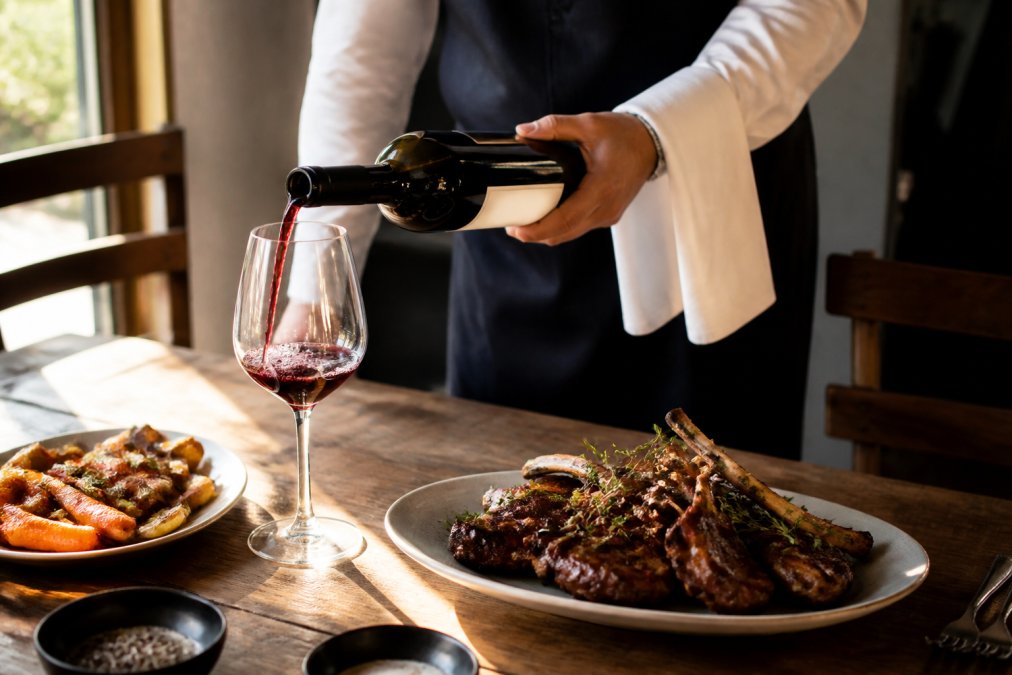
Full-bodied reds for grilled beef and lamb
Full-bodied Douro reds with pronounced tannin structure pair naturally with grilled and roasted red meats. These wines typically come from older vine plantings and extended aging, with intensity that matches substantial food.
Grilled lamb is the classic pairing. Portuguese lamb, simply seasoned with salt and herbs, allows the wine's dark fruit and earthy notes to shine. The wine's tannins soften against the lamb's fat, and the acidity cuts through richness. Grilled beef, particularly thicker cuts like ribeye, creates the same dynamic. The char on the meat's exterior echoes the wine's darker notes. Game birds and venison also work beautifully, with the wine's structure standing up to the meat's richness.
Medium-bodied reds with pork and poultry
Medium-bodied Douro reds are your workhorse wines. Their balance, moderate tannins, good acidity, mid-range alcohol, doesn't demand specific food preparation, making them the most versatile category.
Pork is where medium-bodied reds shine. Portuguese roasted, grilled, or braised pork has enough richness to match the wine's structure without overwhelming it. The acidity prevents the pairing from feeling heavy, even with richer cuts like pork belly. Roasted chicken with herbs and garlic pairs comfortably with medium-bodied reds. Duck, which carries more fat, demands wines with slightly more structure, but medium-bodied Douro reds handle this easily.
For independent restaurants building their wine list, medium-bodied Douro reds offer the best ratio of pairing versatility to customer accessibility.
White wines and seafood: Douro Valley's lighter pairings
Douro white wines remain underrated in the UK market. They're drier than many buyers expect, more structured than casual drinkers typically encounter. Native varieties like Gouveio, Malvasia Fina, and Viosinho carry minerality and acidity that make seafood pairing feel natural. These aren't delicate wines; they're structured, mineral-driven expressions built for food.
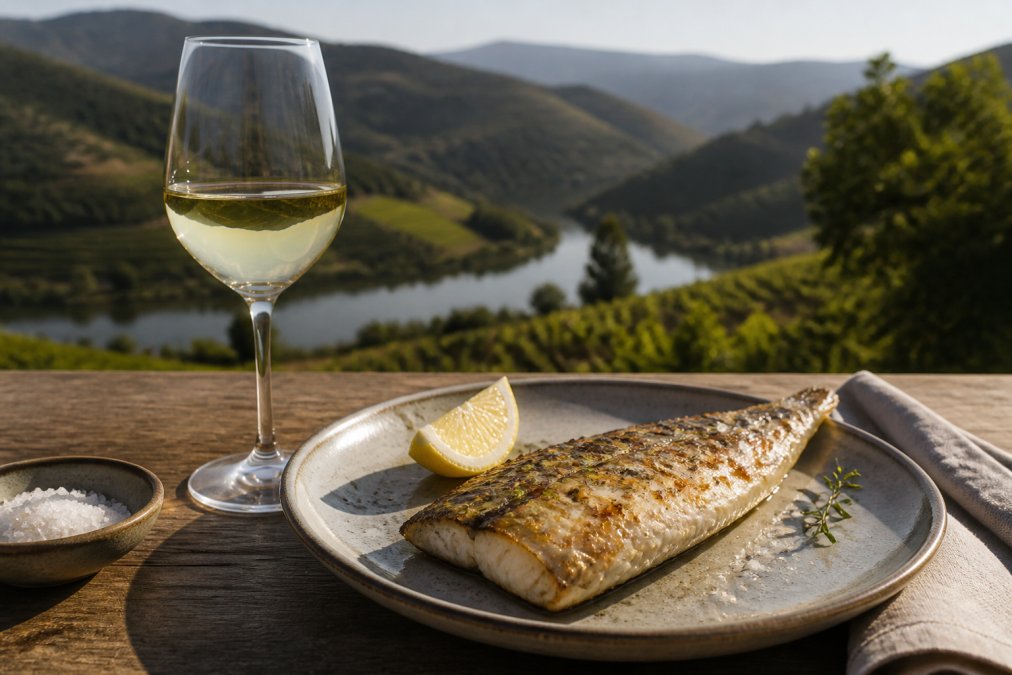
Dry whites with grilled fish and shellfish
Dry Douro whites with grilled fish create one of the most reliable pairings in wine. The wine's acidity cuts through the richness of grilled fish cooked with olive oil or butter. The mineral character mirrors the briny, fresh quality of seafood.
Grilled white fish, sea bass, bream, or sole, pairs beautifully with these wines. Salt and lemon on grilled fish is the classic preparation these wines were built for. Shellfish, mussels, clams, and oysters work equally well. The wine's salinity echoes the ocean character of the shellfish. Grilled prawns and langoustines, especially when simply prepared with garlic and olive oil, pair naturally with these wines.
Aromatic whites with lighter seafood dishes
Aromatic Douro whites, with more pronounced floral and fruit character, pair with lighter seafood preparations. These wines typically have slightly lower alcohol and more apparent fruit than drier, mineral-focused expressions.
Raw oysters and ceviche pair beautifully with aromatic whites. The wine's fruit character doesn't overpower delicate food, and the acidity provides palate-cleansing. Lighter fish dishes, poached or steamed preparations, benefit from these wines' more approachable character.
Native Portuguese grape varieties and their pairing profiles
Understanding native grape varieties moves you from generic advice into confident, specific recommendations.
Touriga Nacional produces wines with dark fruit, structure, and aging potential. These wines pair with substantial foods: grilled meats, aged cheeses, complex dishes.
Touriga Franca adds floral notes and softness to blends. Wines with significant Touriga Franca content pair slightly more broadly, working with both grilled meats and lighter poultry.
Tinta Roriz (Tempranillo in Spain) brings spice and dark cherry character. These wines pair with game, roasted meats, and herb-based sauces. The spice element makes them particularly versatile with international cuisines.
Gouveio, a white variety, produces minerally wines with good acidity. These work across the seafood spectrum and with lighter cheese courses, making them excellent aperitif wines.
Is Dão wine dry? Understanding regional styles for pairing
Dão wines, from a neighboring region, are typically dry. This distinction is critical for pairing purposes. Many wine buyers assume Portuguese wines are sweet, a misconception that limits their pairing versatility.
Dão wines share characteristics with Douro wines: minerality, good acidity, and structure. The key difference is that Dão wines often carry slightly more acidity and less body than comparable Douro expressions. This makes them excellent for lighter food matches and as aperitif wines. Understanding that Dão wines are dry, structured, and food-focused opens pairing possibilities with lighter seafood dishes, salads with vinaigrette, and cheese courses.
Port wine pairing: Beyond the dessert course
Port wine pairing extends far beyond the traditional after-dinner course. Ruby Port, Tawny Port, and Vintage Port each bring distinct characteristics that create successful pairings across multiple occasions.
Port's complexity comes from its production method: fermentation is stopped by adding brandy, leaving residual sugar. This creates wines with higher alcohol (typically 19-20%) and sweetness balanced by the spirit's warmth and complexity.
Ruby and vintage Port with chocolate and cheese
Ruby Port, aged in steel or wood for shorter periods, retains bright red fruit character and pronounced tannins. These wines pair beautifully with dark chocolate, the wine's fruit echoing chocolate's deeper notes.
Vintage Port, aged in bottle for 10-40+ years, develops complexity that pairs with aged cheeses, particularly hard cheeses with nutty character. Chocolate desserts, particularly those with nuts or caramel, work across both styles. The sweetness in the wine balances bitter chocolate, and the alcohol warmth adds richness.
Tawny Port as an aperitif and with nuts
Tawny Port, aged in wood for extended periods, develops oxidative character and lighter color. These wines work beautifully as aperitifs, the wine's warmth and complexity inviting conversation without heaviness.
Nuts, roasted almonds, hazelnuts, and walnuts, pair naturally with Tawny Port. The wine's caramel and dried fruit notes echo the nuts' toasted character. Tawny Port's versatility extends to lighter desserts and biscuits, making it an accessible entry point into Port wine appreciation.
Vegetarian, vegan, and seasonal pairing strategies
Vegetarian and vegan dishes deserve equally thoughtful pairing consideration. Douro wines handle these preparations beautifully.
Pairing with vegetables, legumes, and plant-based dishes
Roasted vegetables, particularly root vegetables like carrots, beets, and parsnips, pair with medium-bodied Douro reds. The vegetables' natural sweetness and earthiness echo the wine's mineral character and dark fruit.
Legume-based dishes, lentil stews, bean preparations, chickpea dishes, work with both reds and whites depending on preparation. Hearty legume stews pair with medium to full-bodied reds; lighter legume salads work with dry whites. Plant-based proteins and mushroom-based dishes require the same pairing logic as traditional proteins: match the wine's structure to the food's weight.
Seasonal adjustments and serving temperatures
Serving temperature dramatically influences how Douro wines pair with food. Full-bodied reds served slightly cooler than room temperature (around 16-18°C) feel more refreshing and less heavy, making them work with lighter spring and summer dishes. The cooler temperature emphasizes acidity and mineral character.
White wines served slightly warmer than typical (around 10-12°C rather than ice-cold) reveal more complexity and work better with richer food preparations. Seasonal adjustments make sense: lighter wines and cooler serving temperatures for spring and summer, fuller wines and warmer serving temperatures for autumn and winter.
Building a Douro Valley wine list for your restaurant or shop
Building a Douro Valley wine list requires understanding your customer base and selecting wines that offer both accessibility and depth. The region's range means you can build a list serving multiple occasions and customer types.
Start with medium-bodied reds and dry whites. These categories offer the broadest pairing versatility and easiest customer education. Add one or two full-bodied reds for customers seeking serious wines suitable for grilled meats and game. Include at least one aromatic white for lighter seafood and aperitif occasions. Add a Tawny Port for aperitif and dessert pairing.
At 79North Ltd, we work with independent restaurants and wine shops to build Douro Valley selections reflecting their specific customer base and menu requirements. Rather than generic "Portugal section" stocking, we help you select wines that create genuine pairing stories, the specificity that builds customer loyalty and distinguishes your business from larger competitors.
The opportunity with Douro Valley wines lies in their versatility combined with their relative scarcity in the UK market. Most customers haven't encountered these wines; when they do, the experience often becomes memorable. Building a thoughtful Douro selection positions your restaurant or shop as knowledgeable and distinctive.
Building a compelling Douro Valley wine list requires more than generic recommendations; it demands understanding how specific wines interact with real food. 79North Ltd specializes in representing premium, family-owned Douro producers to UK retailers and restaurants, handling import logistics and quality assurance. Let's talk about which Douro wines would work best for your specific menu and customer base.
| Wine Style | Best For | Pairing Notes | Serving Temperature |
|---|---|---|---|
| Full-bodied red | Grilled beef, lamb, game | Dark fruit, pronounced tannins, mineral backbone | 16-18°C |
| Medium-bodied red | Pork, poultry, lighter meats | Balanced structure, good acidity, versatile | 15-17°C |
| Dry white | Grilled fish, shellfish, seafood | High acidity, minerality, pale color | 9-11°C |
| Aromatic white | Raw oysters, lighter seafood, aperitif | Fruit character, lower alcohol, refreshing | 10-12°C |
| Tawny Port | Nuts, lighter desserts, aperitif | Oxidative character, caramel notes, warming | 12-14°C |
| Ruby Port | Dark chocolate, aged cheese, dessert | Bright fruit, tannins, sweetness | 14-16°C |
For deeper guidance on sourcing authentic Douro wines and understanding producer profiles, explore the Douro Valley Wine Institute's regional classification system. The region's official classification standards help explain why specific wines carry the characteristics that make them suitable for different pairing occasions.
Research from Wine Australia's food pairing principles demonstrates that matching wine structure to food weight creates more successful pairings than following rigid rules. This principle applies equally to Douro wines.
Understanding how Portuguese culinary traditions inform wine pairing choices helps explain why Douro wines work so naturally with Portuguese food. The wines evolved alongside the region's cuisine, creating natural harmony that independent restaurants serving Portuguese food can use immediately.
Frequently Asked Questions
What are the best Douro Valley wines for food pairing?
The best Douro Valley wines for food pairing depend on your dish. Full-bodied DOC Douro reds pair beautifully with grilled beef and lamb, thanks to their tannins and dark fruit character. Dry white wines work well with grilled fish and seafood. Port wines, especially ruby and tawny varieties, complement chocolate, cheese, and nuts. Choose based on the acidity, structure, and flavour profile of your food to create harmony on the palate.
Is Dão wine dry, and how does it pair with food?
Yes, Dão wines are typically dry. These regional wines from a nearby area offer similar characteristics to DOC Douro wines, with good acidity and structure that make them versatile for food pairing. Dão reds work well with hearty meat dishes and regional Portuguese cuisine, whilst Dão whites pair nicely with lighter seafood and vegetable-based dishes. Their minerality and complexity add depth to any meal.
Which native Portuguese grape varieties should I stock for food pairing versatility?
Key native Portuguese grape varieties include Touriga Nacional (full-bodied reds for beef), Touriga Franca (medium-bodied, food-friendly), Tinta Roriz (earthy notes, pairs with pork), and Tinta Cão (structured, complex). For whites, Viosinho and Gouveio offer aromatic profiles with good acidity for seafood. These varieties give you range across your wine list and allow you to offer customers authentic, distinctive wines that stand out from mass-market imports.
How should I serve Douro Valley wines to maximise their flavour profile?
Serving temperature is crucial. Red Douro wines should be served at 16-18°C to highlight their tannins and dark fruit. White wines pair best at 8-10°C to preserve acidity and freshness. Decant full-bodied reds 30 minutes before serving to allow them to open and soften. For Port, ruby and vintage varieties suit 16°C, whilst tawny Port is best slightly cooler at 12-14°C. Proper temperature and decanting reveal the complexity and finish that make these wines exceptional.
This article was written using GrandRanker