
Importing Portuguese Wine for Restaurants: A 2026 Guide
Table of Contents
- Why Portuguese Wine Works for Restaurant Menus
- Understanding Wine Import Paperwork for Restaurants
- HMRC Wine Import Duty Rates and Taxation
- Sourcing Direct from Independent Vineyards
- Working with Specialist Wine Importers
- Building a Distinctive Portuguese Wine Portfolio
- Market Trends and Consumer Demand for Portuguese Wines
- Conclusion
Last Updated: August 22, 2026
Why Portuguese Wine Works for Restaurant Menus
Portuguese wines offer distinctive, family-owned producers that most UK establishments overlook. While Italian wines dominate fine-dining lists, Portuguese varietals deliver genuine terroir and competitive pricing without sacrificing quality. The real opportunity lies in small-batch wines from innovative producers that larger distributors won't stock.
Many restaurant owners assume Portuguese wines are budget-tier or rustic, but a well-curated portfolio attracts wine enthusiasts specifically because it's authentic and unexpected. Diners seeking something beyond standard Bordeaux or Tuscan selections often become loyal customers when they discover native grape varieties like Jampal or Touriga Nacional.
The challenge is navigating the import process itself. Customs documentation, excise duty calculations, minimum order commitments, and supply chain reliability create friction that deters independent restaurants from exploring direct sourcing. At 79North Ltd, we've spent years building relationships with family-owned Portuguese producers specifically to eliminate that friction for UK restaurants.
Understanding Wine Import Paperwork for Restaurants
Importing wine into the UK post-Brexit requires three core documents: a commercial invoice, a certificate of origin, and a shipping manifest (gov.uk). The commercial invoice must detail exact contents, ABV percentage, bottle count, and declared value in GBP. The certificate of origin confirms the wine was produced and bottled in Portugal, determining tariff classification and excise duty rates. The shipping manifest must match the commercial invoice exactly; discrepancies trigger manual inspections and delays.
Post-Brexit Documentation Requirements
Post-Brexit, wine imports undergo full customs clearance as commercial imports rather than EU internal movement. Your customs agent will complete an import declaration to HMRC using the commercial invoice and certificate of origin, including the Harmonized System code 2204 for still wine. You must provide proof of payment for excise duty and VAT owed; most freight forwarders handle this on your behalf.
Certificate of Origin and Labelling Standards
The certificate of origin must be issued by a Portuguese export authority or your supplier's chamber of commerce, confirming the wine meets standards of its declared region. UK labelling standards require producer name, region of origin, alcohol by volume, bottle size, and allergen warnings in English. Many small Portuguese producers use Portuguese-only labels, requiring English labelling arrangements, an additional cost and time investment that importers like 79North Ltd manage for you.
HMRC Wine Import Duty Rates and Taxation
Excise duty on still wine is levied at a flat rate per litre of alcohol content, regardless of the wine's value (gov.uk). A £14 bottle and a £35 bottle pay the same per-litre duty if they have identical ABV. VAT applies to the total landed cost, bottle price plus freight, insurance, and excise duty, at 20%.
Excise Duty and Value Added Tax
For a wine at 13% ABV in a 750ml bottle, excise duty is calculated by multiplying alcohol volume by the duty rate, resulting in a fixed amount per bottle. Excise duty is inelastic and non-negotiable; what you can control is bottle cost and freight expense. VAT at 20% compounds on top of duty, including VAT itself, reducing your effective margin unless priced accordingly.
Calculating Total Landed Costs
A practical example: ordering 50 cases (600 bottles) of Casa Américo 2023 Sonante DOP Dão Tinto at £14 per bottle. Ex-works total is £8,400. Freight and insurance cost £400. Excise duty on 600 bottles at 13% ABV adds approximately £750. VAT at 20% on the £9,550 subtotal adds £1,910. Total landed cost is approximately £11,660, or £19.43 per bottle.
Retailing at £45 (220% markup) yields £25.57 gross profit per bottle, but net margin after staff costs and overhead is typically 12-18% of retail price. An experienced importer consolidates orders across multiple restaurants, spreading freight costs across larger volumes and reducing per-bottle landed costs, improving your margins or allowing better customer pricing.
Sourcing Direct from Independent Vineyards
Direct sourcing requires managing customs clearance, minimum order quantities, payment terms, supply chain reliability, and quality consistency entirely on your own. The real cost isn't just price negotiation; it's time investment and supply disruption risk. A small Portuguese vineyard might produce exceptional wine but struggle to meet consistent delivery schedules or handle export documentation if unaccustomed to exporting.
Terroir and Regional Appellations
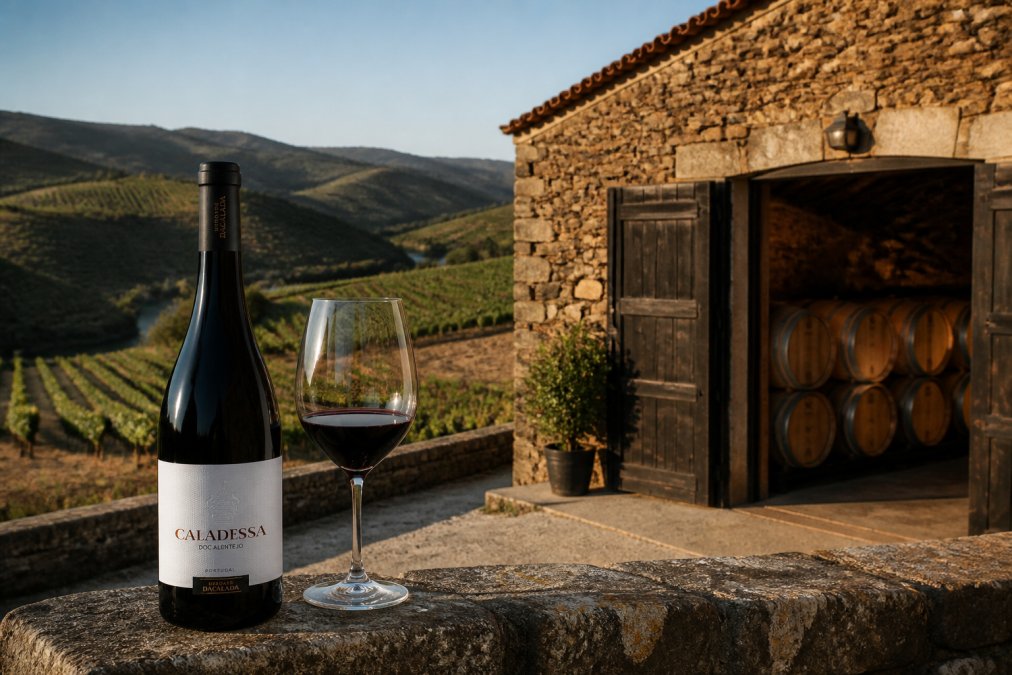
DOC Alentejo, in southern Portugal, produces warm, fruit-forward reds at 14-15% ABV with bold tannins and ripe fruit flavours, pairing well with grilled meats (ivv.gov.pt). DOP Dão, in central Portugal, sits at higher altitude producing elegant, age-worthy reds with structure and complexity from native varieties like Touriga Nacional and Tinta Roriz. Vinho Verde, in the northwest, produces light, slightly sparkling whites at 9-11% ABV with high acidity, ideal for lighter courses and seafood.
Minimum Orders and Supply Chain Reliability
Most Portuguese family-owned vineyards set minimum orders at 300-500 bottles, creating inventory risk for restaurants. Consolidating orders across multiple wines or restaurants reduces per-order costs and spreads risk. Supply chain reliability is where direct sourcing often breaks down; small producers may lack consistent year-round stock. An importer maintaining relationships with multiple producers across regions provides supply chain security that direct sourcing cannot.
Working with Specialist Wine Importers
Specialist importers like 79North Ltd manage customs clearance, negotiate minimum orders, handle payment and currency exchange, and maintain consistent supply from vetted producers. The importer's margin typically ranges from 15-25% above the producer's ex-works price, covering customs clearance, freight consolidation, quality control, documentation, and relationship management.
Cost-Benefit Analysis: Direct Import vs. Wholesale Distribution
Direct importing offers the lowest per-bottle cost with large minimum orders. A direct order of 500 bottles might cost £10 per bottle ex-works, resulting in a landed cost of approximately £14-15 per bottle. However, this assumes timely delivery, quality expectations are met, you can sell 500 bottles before the next vintage, and you encounter no customs delays. calculating shipping costs.
Working with 79North Ltd offers wholesale prices for the same wine, including freight consolidation and customs clearance. Your landed cost is similar or slightly higher per bottle, but you're protected against supply disruption and quality issues. You can order smaller quantities, reducing inventory risk for wines you're testing.
Logistics and Freight Forwarding
Freight forwarding manages physical movement from Portugal to the UK, handles customs clearance, and ensures intact arrival. Wine requires temperature-controlled containers to prevent spoilage. Standard container shipments take 5-7 days by truck; air freight is faster but significantly more expensive. A small shipment of 50 cases might cost £300-500; consolidated shipments of 500 cases cost proportionally less per case. Professional forwarders handle all customs documentation, avoiding HMRC delays through meticulous attention to detail.
| Logistics Factor | Direct Import | Working with Importer |
|---|---|---|
| Freight cost per unit | Higher (smaller consolidation) | Lower (volume consolidation) |
| Customs documentation | Your responsibility | Importer's responsibility |
| Supply chain risk | Higher (single producer) | Lower (multiple producers) |
| Time investment | 10-15 hours per order | 1-2 hours per order |
| Payment terms | Typically 30 days | Typically 30 days |
Building a Distinctive Portuguese Wine Portfolio
A distinctive portfolio isn't built by stocking every Portuguese wine available; it's built by selecting wines reflecting your restaurant's identity. Start with 8-12 Portuguese wines across different price points and styles. A typical starting portfolio might include Casa Américo 2023 Sonante DOP Dão Tinto at £14 per bottle, Herdade da Calada 2022 Vale da Calada Rosé at £16, and Manz 2022 Dona Fátima Jampal at £35. This tiered approach accommodates different budgets, tests which styles resonate, and demonstrates thoughtful curation.
Native Grape Varieties and Food Pairing Strategies
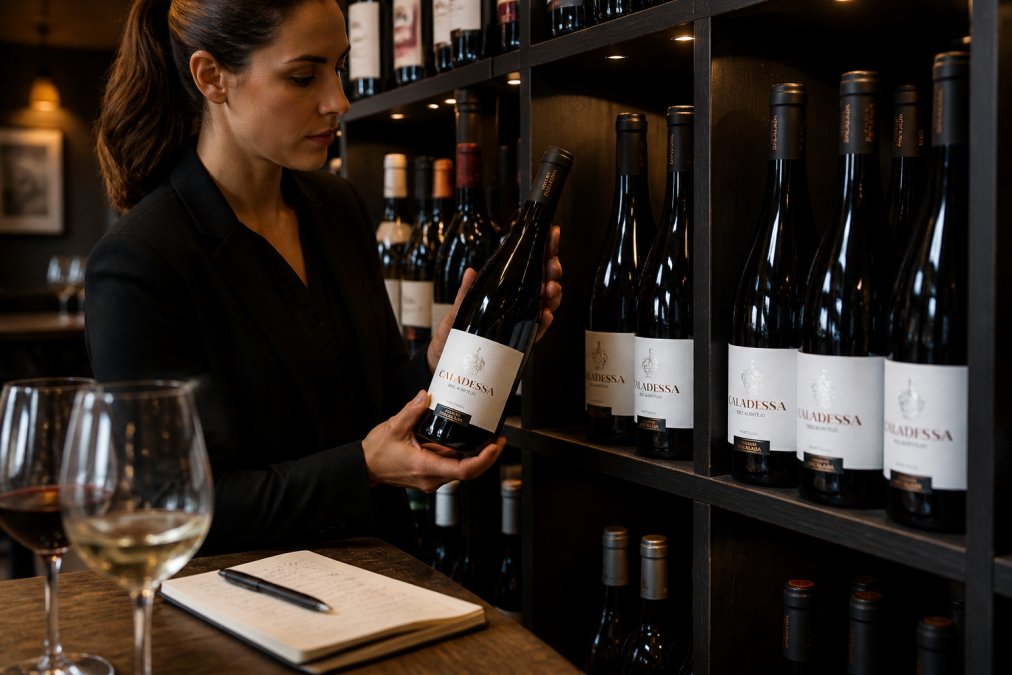
Touriga Nacional is Portugal's most prestigious red variety, known for structure, dark fruit, and aging potential, pairing exceptionally well with lamb, venison, and aged cheeses. Jampal is a white variety gaining recognition for aromatic complexity and mineral character, pairing beautifully with seafood and shellfish. Aragonez produces medium-bodied reds with red fruit flavours and moderate tannins, versatile with roasted vegetables, poultry, and lighter meat dishes.
Creating pairing notes educates staff and customers. Rather than listing wines by price or region, describe character and ideal pairings: "Herdade da Calada 2020 Caladessa Reserva Tinto: dark fruit, structured tannins, pairs with grilled lamb and aged cheddar."
Inventory Management and Turnover
A healthy wine turnover rate for independent restaurants is 6-8 bottles sold per wine per month. If a wine isn't achieving this rate after 60 days, evaluate whether it's a poor fit or requires better staff training. Tracking turnover identifies which selections resonate with diners. Portuguese whites and rosés typically sell better in warmer months; reds sell steadier year-round. Building your portfolio with seasonality in mind optimises turnover and reduces slow-moving stock risk.
Market Trends and Consumer Demand for Portuguese Wines
Consumer interest in Portuguese wines has grown as wine enthusiasts seek alternatives to dominant French and Italian selections. Many restaurants report customers actively asking for Portuguese wines after encountering them elsewhere. The sustainability movement also favours Portuguese wines; many family-owned producers practice traditional, low-intervention winemaking and prioritise environmental stewardship.
Building your Portuguese wine program now positions your restaurant as knowledgeable and curated before it becomes mainstream.
Importing Portuguese wine for restaurants requires navigating customs documentation, excise duty calculations, and supply chain complexity. Yet the opportunity is genuine: a well-curated Portuguese portfolio distinguishes your restaurant and appeals to wine enthusiasts seeking authenticity beyond mainstream selections.
At 79North Ltd, we've built relationships with family-owned Portuguese producers to simplify this process for UK restaurants. Our portfolio includes Herdade da Calada 2020 Caladessa Reserva Tinto, Quinta Pousada de Fora 2020 Arinto Reserva, and Manz 2022 Dona Fátima Jampal, wines that tell a story and reward curious diners. We manage customs clearance, consolidate freight costs, and provide supply chain reliability that direct sourcing cannot match. Start building your Portuguese wine program with 79North Ltd and let us handle the logistics while you focus on creating memorable wine experiences for your customers.
Frequently Asked Questions
What documentation do I need for importing Portuguese wine into my restaurant?
Post-Brexit, you'll need a commercial invoice, certificate of origin, and packing list from your supplier. HMRC requires a customs import declaration (C88 form) and proof of duty payment before goods clear. Your importer or freight forwarder typically handles this, but restaurants importing directly must ensure labels comply with UK food labelling standards, including English language allergen warnings and abv percentage. Working with specialist wine importers simplifies this process considerably.
How much is HMRC wine import duty and what affects the total cost?
Still wine (under 15% abv) faces £2.67 per litre excise duty, while fortified wines face £3.84 per litre. Value Added Tax at 20% applies to the duty-inclusive value. A £20 bottle incurs roughly £5.34 in duty plus VAT, totalling approximately £6.41 per bottle in tax. Freight, insurance, and customs clearance fees add further costs. Understanding these landed costs is essential before committing to import volumes.
Should I import Portuguese wine directly or work with a specialist importer?
Direct import offers exclusive access to small-batch wines and higher margins, but requires navigating customs, minimum orders (typically 12-24 bottles per wine), and supply chain reliability risks. Specialist importers handle paperwork, logistics, and customs clearance, reducing administrative burden and providing portfolio curation. For independent restaurants, specialist importers often deliver better value through established relationships with reliable vineyards, though at a modest markup compared to direct sourcing.
What makes Portuguese wines distinctive for a restaurant menu?
Portuguese wines feature unique native varietals like Jampal, Tinta Roriz, and Touriga Nacional that rarely appear on mainstream wine lists. Regional terroirs from Alentejo, Dão, and Vinho Verde offer distinctive flavour profiles suited to diverse food pairings. Small-batch, family-owned producers deliver authenticity and story value that resonates with diners seeking curated, undiscovered selections. These factors justify premium pricing and build menu differentiation against competitors.
What happens if a Portuguese wine I've listed doesn't sell well?
Stock risk depends on your supplier agreement. Direct imports from vineyards typically have no return policy, making inventory forecasting critical. Specialist importers often offer more flexible terms, including exchange options or buyback guarantees for slow-moving stock. Start with smaller initial orders (6-12 bottles) to test menu fit before committing to larger volumes. Monitor turnover closely and adjust your portfolio based on customer response.
How do I know small Portuguese producers are reliable suppliers?
Verify producer credentials through certification bodies like Instituto da Vinha e do Vinho and regional appellation authorities (DOC and DOP designations). Request references from other UK restaurants or retailers stocking their wines. Specialist importers conduct due diligence on their portfolio producers, reducing your risk. Start with trial orders to assess consistency, communication, and fulfillment reliability before committing to long-term stock arrangements.
Can small restaurants actually work with specialist wine importers, or do they only serve large chains?
Specialist importers serving independent restaurants typically work with establishments of all sizes, from single-location restaurants to small chains. Volume requirements vary, but many accept orders starting at case quantities (12 bottles per wine). Importers focused on independent venues understand smaller margins and irregular ordering patterns. Discuss your expected volumes upfront; importers with family-owned producer portfolios often prioritise relationship depth over transaction size.
This article was written using GrandRanker
