
Is Italian Organic Wine Worth It? A Buyer's Guide
Table of Contents
- What Makes Italian Organic Wine Different
- Natural Wine vs Organic Wine: Understanding the Distinction
- Organic Wine Certification Standards in the UK Market
- The Real Benefits of Organic Wine for Your Business and Customers
- Price, Quality, and Terroir: Does Premium Cost Equal Premium Taste
- Health Claims and Sulfites: Separating Fact from Myth
- Is Italian Organic Wine the Right Choice for Your Portfolio
- Frequently Asked Questions
Last Updated: September 3, 2026
What Makes Italian Organic Wine Different
Italian organic wine is produced without synthetic pesticides, herbicides, or chemical fertilisers, a fundamental shift in vineyard management from soil to bottle. The difference isn't merely regulatory compliance; it's a philosophy that respects the vineyard ecosystem.
When a vineyard commits to organic viticulture, the soil becomes the foundation of quality. Organic farmers build soil health through composting, crop rotation, and natural pest management. This takes time, typically three years of transition before certification, but the payoff is measurable: healthier vines, more complex mineral expression, and terroir that genuinely reflects the region's character.
Organic vineyards have substantially lower environmental footprints than conventional farms. They don't contribute to chemical runoff that damages waterways or biodiversity; instead, they often become havens for insects, birds, and microorganisms that support the broader ecosystem. For independent wine buyers and restaurant managers, this means stocking wines that align with sustainability values your customers increasingly demand.
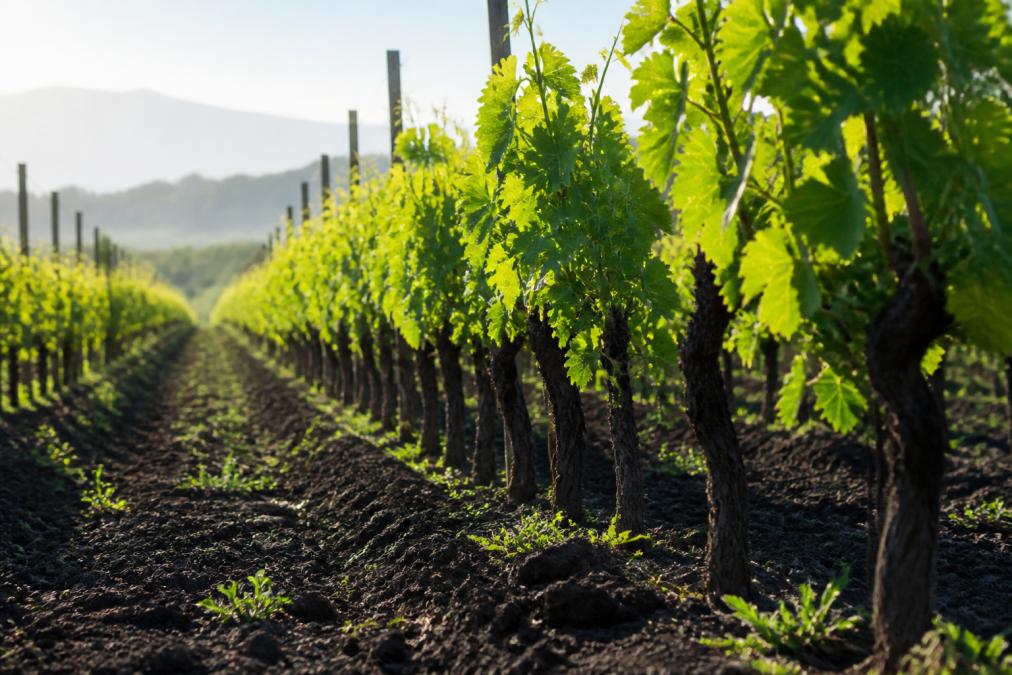
Italian organic wine certification requires compliance with strict EU standards, among the world's most rigorous. Certification bodies verify pesticide-free requirements and maintain detailed records of all inputs, giving you confidence that what's on the label is genuine, not greenwashing.
Natural Wine vs Organic Wine: Understanding the Distinction
This distinction matters because the terms are often confused, and confusion costs you credibility with knowledgeable customers. Organic wine is defined by certification standards and regulated production methods. Natural wine has no legal definition in most markets; it's a philosophy rather than a regulated category.
Organic wine must meet EU certification requirements: no synthetic pesticides, no chemical fertilisers, and strict limits on sulfite additions. Natural wine starts with organic or biodynamic farming but minimises all additives and interventions during fermentation and aging, often using wild yeasts and adding little to no sulfur dioxide.
For your portfolio: organic wine is a safe, regulated choice that appeals to health-conscious and environmentally aware customers. Natural wine attracts adventurous drinkers willing to accept more variability for authenticity and minimal intervention.
Sulfite management illustrates the divide. Organic winemakers can add sulfites up to regulated limits, typically around 150mg/L for red wines. Natural winemakers often add none or minimal amounts. Lower sulfite wines can be more unpredictable in bottle, developing funkier aromas or changing more rapidly.
For independent restaurants and wine shops, the distinction shapes how you market these wines. Organic wine is easier to sell as a quality and sustainability story. Natural wine requires more staff education and appeals to a more niche, engaged customer base.
Organic Wine Certification Standards in the UK Market
The UK recognises organic certification from EU bodies as equivalent to domestic standards, simplifying sourcing. Main certifying bodies operating across Italy include ICEA, Ecocert, and Bioagricert. When you see an organic certification symbol on an Italian wine label, it's been verified against EU Regulation 2018/848.
Vineyards must maintain detailed records of all inputs, every compost application, pest-management intervention, and harvest decision, audited annually. For wine buyers, this means you can trust the organic claim; it's not self-declared.
UK importers, including 79North Ltd, verify that partner producers maintain current certification. This protects you from liability and ensures customers receive genuine organic wine. When sourcing directly, always request current certification documents before committing to stock.
Certification standards specify that organic vineyards cannot use synthetic pesticides, fungicides, or herbicides. Approved treatments include sulfur and copper-based products, used in viticulture for centuries. This constraint forces organic farmers to manage disease through canopy management, timing, and biodiversity rather than reactive chemical spraying.
The Real Benefits of Organic Wine for Your Business and Customers
Stocking organic Italian wine delivers concrete advantages beyond ethical positioning. First, it differentiates your portfolio. Independent wine shops and restaurants compete on discovery and curation. Organic wines from small Italian producers give you exclusive access to products larger competitors can't easily replicate.
Second, organic wine appeals to a growing customer segment. Diners and wine buyers increasingly ask about sustainability, chemical residues, and environmental impact. Organic wine is a straightforward answer to these concerns.
Third, the sensory experience often justifies the positioning. Organic vineyards typically produce wines with pronounced mineral character, fresher acidity, and more vibrant fruit expression, a consequence of healthier soil biology and lower chemical intervention.
For restaurants, organic wine supports menu storytelling. You can describe the vineyard's approach, terroir, and winemaker philosophy, elevating the dining experience and justifying premium pricing. For independent wine shops, organic certification is a merchandising tool. You can create an organic section, train staff knowledgeably, and attract customers seeking transparent sourcing.
79North Ltd curates Italian organic wines specifically for independent retailers and restaurants. Our producers are small estates committed to sustainable farming, not large commercial operations chasing certification trends. This means wines in your portfolio have genuine provenance and story, assets that drive customer loyalty and repeat business.
Price, Quality, and Terroir: Does Premium Cost Equal Premium Taste
Organic wine typically costs more than conventional wine from the same region. The premium reflects real costs: lower yields due to stricter pest management, higher labour intensity, and certification expenses. However, the price-to-quality ratio in organic wine is often excellent, particularly at the small-producer level.
Organic farming forces intentionality. Vineyards cannot rely on chemical shortcuts; they must manage every decision carefully. This discipline often produces wines of greater complexity than higher-volume conventional wines at similar price points.
Terroir, the idea that a wine's character reflects its specific place, is more fully expressed in organic wines. Organic viticulture preserves soil mineralogy, microclimate, and biodiversity rather than masking them with chemical inputs. A wine that expresses terroir genuinely tells the story of its vineyard.
For your portfolio, organic Italian wine offers genuine value. You're not paying premium prices for a certification label; you're accessing wines that deliver complexity and distinctiveness. When your customers compare, they often prefer the organic option for the sensory experience.
Pricing strategy matters. Don't position organic wine as luxury; position it as a quality choice with environmental benefits. This appeals to a broader customer base than premium-only messaging.
Health Claims and Sulfites: Separating Fact from Myth
The most common question about organic wine concerns sulfites and health. Many customers believe organic wine contains no sulfites and therefore won't cause headaches. This is partly myth, partly misunderstanding.
Sulfites occur naturally during fermentation. Even wines with no added sulfites contain residual sulfites, typically 6-40 mg/L. Organic wine regulations allow added sulfites up to specified limits, typically around 150 mg/L for reds and 200 mg/L for whites. These limits are lower than conventional wine, but sulfites are still present.
The headache myth deserves attention. Sulfites are not the primary cause of wine headaches. Histamines, tannins, and alcohol dehydration are far more likely culprits. Some individuals have genuine sulfite sensitivity, but this is rare.
Organic wine does tend to contain fewer total additives and interventions, which may reduce some people's sensitivity. However, claiming organic wine is "sulfite-free" or "headache-free" is misleading and exposes you to customer complaints.
The honest positioning: organic wine is made with fewer chemical inputs, lower sulfite limits, and greater transparency about what's added. This appeals to customers seeking cleaner, more natural products. But it's not a health product, and marketing it as such damages credibility.
Is Italian Organic Wine the Right Choice for Your Portfolio
The answer depends on your customer base, positioning, and sourcing capabilities. For independent wine shops and restaurants committed to curation and storytelling, Italian organic wine is an excellent fit. It offers differentiation, customer appeal, and genuine quality that justifies premium positioning.
For restaurants, organic wine supports menu narratives. You can describe vineyard practices, terroir, and winemaker philosophy, elevating the dining experience and building customer loyalty. For wine shops, organic certification is a merchandising advantage. You can create focused sections, educate staff, and attract customers researching sustainable sourcing.
The sourcing challenge is real. Finding reliable suppliers of small-batch Italian organic wine requires relationships and expertise. This is where 79North Ltd adds value. We've built direct relationships with Italian organic producers, verified their certifications, and managed UK importation logistics. Rather than navigating customs, minimum orders, and producer reliability yourself, you access a curated portfolio of vetted producers.
For most independent retailers and restaurants committed to quality and differentiation, Italian organic wine is worth the investment. The wines deliver on quality, the positioning resonates with modern customers, and sourcing becomes manageable when you partner with an importer who understands both Italian producers and UK market requirements.
Italian organic wine isn't just a category; it's a commitment to quality, sustainability, and authentic storytelling. Whether you're building a wine list for a restaurant or curating a shop portfolio, organic wine from small Italian producers offers genuine differentiation. The challenge isn't deciding if it's worth it; it's finding reliable producers and managing sourcing logistics. That's where 79North Ltd comes in. We've built direct relationships with certified organic producers across Italy, verified their standards, and handled the complexity of UK importation. Let's talk about building an organic wine programme that reflects your brand values and resonates with your customers. EU organic wine regulations and certification standards
| Aspect | Organic Wine | Natural Wine | Conventional Wine |
|---|---|---|---|
| Certification | Legally regulated | No legal definition | Standard practice |
| Sulfite limits | 150 mg/L (red) | Minimal or none | 400+ mg/L |
| Vineyard inputs | No synthetic pesticides | Organic farming + minimal intervention | Synthetic pesticides allowed |
| Consistency | Reliable | More variable | Most consistent |
| Best for | Quality + sustainability | Adventurous drinkers | Volume and value |
Frequently Asked Questions
What makes Italian organic wine more expensive than conventional wine?
Organic farming has higher labour costs, lower yields due to stricter pest management, and certification expenses. However, the quality-to-price ratio is often excellent because organic farming forces intentionality and terroir expression.
Can I trust organic certification on Italian wine labels?
Yes. EU certification standards are rigorous and verified annually by bodies like ICEA, Ecocert, and Bioagricert. If a wine carries an organic symbol, it has been audited and meets strict production requirements. Always verify the certifier's name on the label.
Does organic wine contain sulfites?
Yes. Organic wine can contain up to 150 mg/L of added sulfites (lower than conventional wine), plus naturally occurring sulfites from fermentation. Sulfites are not the primary cause of wine headaches.
Is organic wine better for your health?
Organic wine is made with fewer chemical inputs and lower sulfite limits, appealing to customers seeking transparency. However, it is not a health product and should not be marketed as such. The primary benefits are quality, sustainability, and environmental impact.
How do I source Italian organic wine reliably?
Working with an importer who has direct relationships with producers is the most efficient approach. 79North Ltd manages customs, minimum orders, and producer reliability, providing vetted producers with current certifications.
What's the difference between organic and natural wine?
Organic wine is regulated by certification standards and focuses on vineyard practices. Natural wine minimises all additives and interventions during winemaking. Both start with organic or biodynamic farming, but natural wine goes further in the cellar. Organic wine is easier to market and more consistent; natural wine appeals to adventurous drinkers.
According to research on organic viticulture and soil health, vineyards managed organically show measurably higher biodiversity and soil microbial activity than conventional operations. The UK Food Standards Agency guidance on organic certification confirms that EU organic standards recognised in the UK market are among the world's most rigorous. For restaurants and retailers seeking to understand customer demand for sustainable wine, recent consumer research on wine purchasing behaviour shows that sustainability and transparency are increasingly important factors in premium wine selection.
Frequently Asked Questions
Are organic wines actually better for you than conventional wines?
Organic wine contains no synthetic pesticides or herbicides, which appeals to health-conscious consumers. However, both organic and conventional wines contain similar levels of natural compounds like resveratrol. The primary health difference lies in reduced chemical residue exposure rather than added nutritional benefits. Many customers choose organic wine for environmental and sustainability reasons as much as for personal health.
What is the difference between natural wine and organic wine certification?
Organic wine certification requires compliance with EU or UK standards for vineyard management, no synthetic pesticides, approved fungicides only, and specific sulfite limits. Natural wine is a less regulated category where producers minimise intervention in both vineyard and cellar, often adding no sulfites at all. Organic wine has legal oversight; natural wine relies on producer philosophy. Many natural wines are also organic-certified, but not all organic wines qualify as natural.
How do I identify certified organic Italian wine in the UK?
Look for EU organic certification symbols on the label (the green leaf logo) or UK-specific organic certifications. The label should state the certifying body, common ones include IFOAM-accredited organisations. Check the back label or producer information for certification details. Reputable importers like 79North can verify certification status and provide documentation for your records, ensuring your stock meets customer expectations.
What makes Italian organic wine worth the premium price for independent retailers?
Italian organic wine offers distinctive terroir, unique native varieties, and strong storytelling that justifies higher margins for independent shops competing against supermarkets. Customers actively seek certified organic options and will pay more for authenticity and sustainability credentials. Small-batch, family-owned producers create scarcity and exclusivity, qualities that independent retailers leverage to differentiate their portfolios and build customer loyalty beyond price competition.
This article was written using GrandRanker