
Is Veneto Wine Good Value? A 2026 Buyer's Guide
Table of Contents
- The Veneto Value Proposition: More Than Just Prosecco
- Understanding Price vs. Quality in the Veneto
- Best Value Valpolicella: Beyond Ripasso and Amarone
- Soave Wine Price Guide: The Crisp White Contender
- Amarone vs Ripasso Value: Which Delivers More?
- Sustainable and Organic Options in the Veneto
- Final Verdict: Is Veneto Wine Good Value for Your List?
- Frequently Asked Questions
Last Updated: September 4, 2026
Ask a casual drinker whether Veneto wine is good value and they will point to a bottle of Prosecco under a tenner. Ask a sommelier and they will tell you the real answer is far more layered. The region produces everything from crisp, affordable whites to the profound, age-worthy reds of Amarone, and that diversity makes the value question genuinely complex. At 79North Ltd, we import family-owned Italian wines into the UK and spend our working days assessing exactly this kind of regional potential. This guide cuts through the marketing to show you where Veneto delivers genuine quality for the price, and where you are simply paying for a label.
The short answer is yes, but only if you know where to look. The best value Veneto wines are not the mass-market brands on supermarket shelves; they are the appellation-driven bottles from smaller producers who prioritise finesse over volume. Below, we break down the specific denominations, grape varieties, and vintage considerations that separate a smart buy from a disappointing one.
The Veneto Value Proposition: More Than Just Prosecco
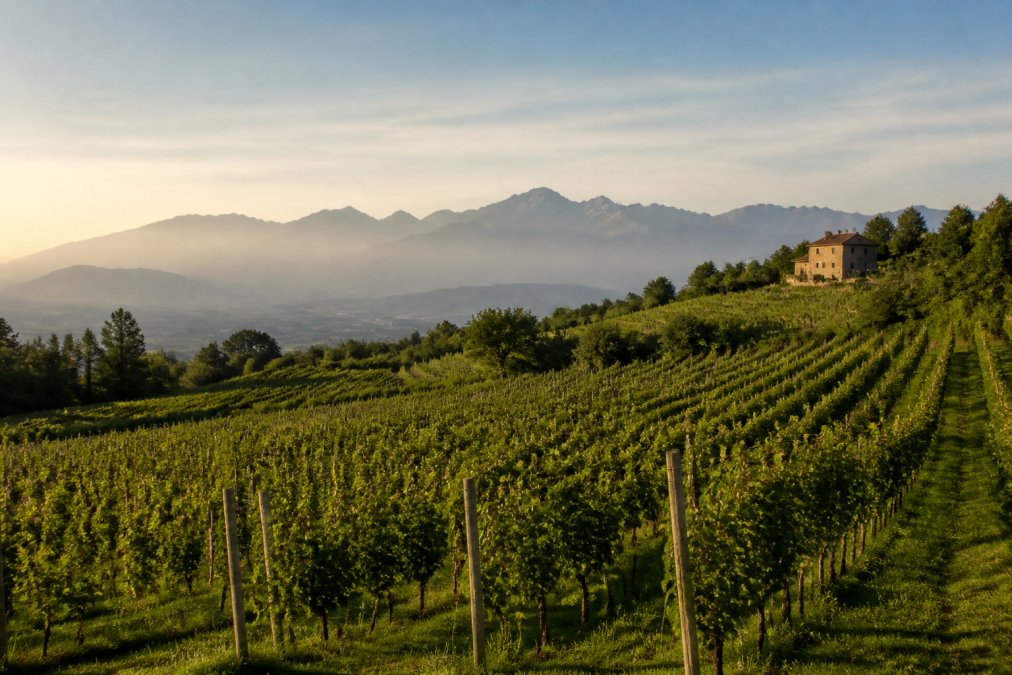
Veneto is one of Italy's largest and most diverse wine regions, stretching from the shores of Lake Garda to the Adriatic Sea influence near Venice. The alpine climate in the north cools the vineyards, while warmer plains and hillsides create distinct microclimates that support a remarkable range of viticulture. This regional diversity is the foundation of its value story: you are not buying one style but an entire portfolio of options.
Most consumers know Veneto for Prosecco, and that association has done the region a disservice. The focus on cheap fizz has obscured the fact that Veneto produces some of Italy's most compelling red wines, particularly in the Valpolicella zone. For buyers seeking affordable luxury, the region offers an unusual combination of everyday drinkability and serious collector appeal.
Understanding Price vs. Quality in the Veneto
The relationship between price and quality in Veneto is not linear. You can spend £8 on a generic Valpolicella that tastes thin and bitter, or £25 on a Ripasso that rivals wines twice its price. The difference comes down to production method, grape concentration, and appellation rules rather than simple brand prestige.
The region's classification system provides a useful starting point. Wines labelled DOC and DOCG follow stricter production regulations than generic IGT wines, which often translates to better fruit quality and more careful winemaking. A common mistake is assuming all Veneto reds are equal because they share a grape variety. In practice, the gap between a basic Valpolicella and a top-tier Amarone is enormous, yet both come from the same vineyards.
Consumer value in Veneto means understanding that you are often paying for concentration and technique. The appassimento method, where grapes are dried before fermentation, adds cost but delivers richness and structure that cheaper wines cannot replicate.
Best Value Valpolicella: Beyond Ripasso and Amarone
The best value Valpolicella is often the standard Valpolicella Classico, particularly from small hillside producers. These wines offer juicy red fruit, gentle tannins, and a food-friendly profile that makes them excellent everyday options. They rarely receive the attention of their richer siblings, which keeps prices reasonable for the quality delivered.
Valpolicella Ripasso represents the sweet spot for many buyers. The wine is made by re-fermenting standard Valpolicella on the skins of Amarone grapes, adding depth and body without the full cost of Amarone production. The result is a versatile red with more structure than entry-level bottles, typically priced well below Amarone while offering a glimpse of its character.
Decoding Valpolicella Labels for Quality
Reading a Valpolicella label correctly can save you from overpaying for average juice. The term "Classico" indicates grapes from the original, superior hillside zone, while "Superiore" means the wine has higher alcohol and longer ageing. Seek out both designations for a noticeable step up in quality.
Wines labelled simply "Valpolicella" without these terms often come from the wider plains area, where yields are higher and concentration suffers. For buyers focused on price-to-quality ratio, the hierarchy is clear: Classico Superiore and Ripasso offer the most consistent value, while basic Valpolicella is best reserved for cooking or casual drinking.
Soave Wine Price Guide: The Crisp White Contender
Soave represents one of the most under-appreciated value propositions in Italian wine. This white wine, made primarily from the Garganega grape, offers citrus notes, almond hints, and a characteristic bitter finish that pairs beautifully with food. Premiumisation in the region has been slow, which means quality Soave remains accessible for UK buyers.
The price range for Soave is remarkably broad, but the value sweet spot sits with Classico bottles from hillside vineyards. These wines show more texture and complexity than their flatland counterparts, yet they rarely command premium prices outside Italy. For restaurants seeking affordable white options with genuine regional character, Soave delivers consistent quality.
As documented in the Consorzio Tutela Vini Soave and Colli Scaligeri's producer guidance, hillside Soave Classico offers significantly better concentration than plain Soave, making it a smarter choice for buyers who prioritise flavour intensity.
Amarone vs Ripasso Value: Which Delivers More?
For most buyers, Ripasso delivers more value than Amarone. Amarone della Valpolicella is a noble wine with immense concentration, high alcohol, and serious ageing potential, but those qualities command a substantial price. Ripasso offers a significant portion of that richness for a fraction of the cost, making it the rational choice for everyday drinking.
Amarone makes sense when you want a special-occasion wine or a bottle to cellar. Its best examples show remarkable balance despite their power, with flavours of dried cherry, chocolate, and spice. The production cost is high because the appassimento process requires extensive grape drying, and yields are naturally low. For a buyer building a wine list, Amarone serves as a premium anchor rather than a volume seller.
Vintage Variation and Its Effect on Value
Vintage matters more in Veneto than many guides acknowledge. In cooler, rainier years, even excellent producers struggle to achieve full ripeness, and wines can taste lean and vegetal. In warm, dry vintages, the grapes concentrate beautifully, and the resulting wines show the richness that makes the region famous (peer-reviewed research).
Checking the vintage before buying is particularly important for Amarone and Ripasso, where grape concentration drives everything. A poor vintage Amarone can taste hollow despite its price tag, while a great vintage Ripasso can outperform an average Amarone at half the cost. For buyers seeking value, a strong vintage Ripasso is often the smartest purchase in the region.
Sustainable and Organic Options in the Veneto
The sustainable wine conversation in Veneto has moved beyond a niche talking point into a genuine value proposition, but only if you know how to navigate the certification landscape. This section claims a gap that most value guides ignore: how to identify eco-friendly Veneto wines that actually deliver on price and quality, rather than paying a green premium for marketing.
The Certification Landscape: What the Labels Actually Mean
Veneto producers operate under three main frameworks, and understanding the difference saves you from overpaying:
- EU Organic (Certificato Biologico): Regulated by the EU, this certification requires no synthetic pesticides or herbicides. In Veneto, adoption is growing but remains concentrated among smaller, family-run estates. Look for the green leaf logo on the back label.
- SQNPI (Sistema Qualità Nazionale Produzione Integrata): A national certification for integrated pest management, not fully organic, but a significant step beyond conventional farming. Many large Veneto co-operatives use this as a middle ground, and wines carry the certification mark on the label.
- Biodynamic (Demeter or Biodyvin): Rare in Veneto but present among a handful of cult producers. These wines command premium prices and are not typically the best value option unless you are sourcing for a specialist list.
The Price Reality: Organic Does Not Mean Expensive
A common misconception is that organic certification automatically raises prices. In practice, the cost difference is often absorbed by the producer in exchange for distribution volume. The real value gap is different: organic Veneto wines are harder to find, which means they face less price competition. A well-made organic Valpolicella Classico from a hillside producer can deliver the quality of a conventional Ripasso at a similar price point, simply because the organic label has not yet been fully exploited by the mass market.
Where to Look: Producer Types and Distribution Channels
Organic and sustainable production in Veneto clusters in specific zones rather than spreading evenly across the region. The Soave hillsides, particularly around the Classico zone, have seen a notable shift toward organic farming among younger growers. In Valpolicella, the trend is slower but visible among the smaller, artisanal estates that sell directly to specialist importers rather than through bulk channels.
For UK buyers, the most reliable route is through a specialist importer who visits the region regularly and maintains direct relationships. These importers often carry organic lines that never appear in the major retail listings because the volumes are too small. Asking your importer specifically about their organic Veneto portfolio, rather than waiting for them to offer it, is the most effective way to access these wines.
Final Verdict: Is Veneto Wine Good Value for Your List?
Veneto wine is good value when you buy with knowledge rather than habit. The region rewards buyers who understand its appellation hierarchy, pay attention to vintages, and look beyond the mass-market brands that dominate retail shelves. For independent wine shops and restaurants, the opportunity lies in offering customers something beyond the familiar Prosecco label.
The most compelling value sits with Valpolicella Ripasso from strong vintages, hillside Soave Classico, and the emerging sustainable producers who are elevating the region's reputation. These wines offer the finesse and balance that define quality winemaking, at prices that remain reasonable for the UK market. The under-appreciated nature of these categories means buyers who act now can secure distinctive wines before broader demand pushes prices upward.
Frequently Asked Questions
What is the best value wine region in Italy?
The Veneto offers one of the strongest price-to-quality ratios in Italy. While regions like Piedmont and Tuscany command high prices for Barolo and Brunello, the Veneto produces a wider spectrum, from affordable, everyday Valpolicella and Soave to premium Amarone. This regional diversity allows you to source quality wines at accessible price points, making it a prime region for independent buyers seeking value without compromising on character.
Is Valpolicella or Soave better value for money?
Both offer exceptional value, but for different reasons. Valpolicella provides a versatile, food-friendly red with a lighter body, while Soave delivers a crisp, mineral-driven white. For the best value Valpolicella, look for 'Superiore' or 'Ripasso' styles, which offer more depth. In Soave, seek out 'Classico' bottles from hillside vineyards. The choice depends on your list's needs, but both are under-appreciated compared to more famous Italian regions.
How does Amarone compare to Ripasso in terms of value?
Amarone is a premium, full-bodied wine made from dried grapes, commanding higher prices due to its labour-intensive production and aging potential. Ripasso, often called 'baby Amarone', is made by re-fermenting Valpolicella with the skins of Amarone, offering a richer style at a fraction of the cost. For a high quality, affordable option, Ripasso provides exceptional value, while Amarone is an investment for special occasions and cellaring.
How do I identify a quality Veneto wine when buying?
Look for the DOC or DOCG designation on the label, which guarantees the wine's origin and adherence to production standards. For reds, 'Valpolicella Superiore' or 'Ripasso DOC' are markers of elevated quality. For whites, 'Soave Classico' indicates grapes from the historic hillside zone. Beyond the appellation, research the producer; family-owned estates often offer better value than mass-market brands. Tasting notes should show balance and finesse, not just fruit.
Finding genuinely distinctive Veneto wines for your business requires access to producers who prioritise character over volume. At 79North Ltd, we build direct relationships with family-owned wineries across Italy, ensuring our partners receive authentic regional wines with verified quality and reliable supply. Our portfolio highlights unique terroirs and native grape varieties that stand out in a competitive market. Let's talk about curating a Veneto selection that adds real value to your list.
This article was written using GrandRanker