
Small Batch Italian Wine Club Reviews: 2026 Guide
Table of Contents
- What Sets Small Batch Italian Wine Clubs Apart
- Benefits of Small Batch Wine: Terroir, Native Grapes and Craft
- How to Choose a Wine Subscription: Seven Criteria That Matter
- Best Italian Wine Subscription UK: What the Top Clubs Offer
- Sustainability and Carbon Footprint of International Shipping
- Storage and Aging Potential of Small-Batch Bottles
- Pairing Guides for Specific Small-Batch Varietals
- Conclusion: Making Your Small Batch Italian Wine Club Choice
- Frequently Asked Questions
Last Updated: September 21, 2026
What Sets Small Batch Italian Wine Clubs Apart
Small batch Italian wine clubs are subscription services that source limited-production wines from independent, family-owned Italian estates rather than mass-market labels, giving members access to bottles rarely found on supermarket shelves. At 79North Ltd, we work directly with these producers, so we see the difference up close.
The italian wine club market has grown quickly, and reviews of these clubs often miss the point. The real distinction is not the packaging or the app. It is the supply chain behind the bottle.
Most clubs fall into two camps. Some buy surplus stock from large négociants and dress it up as "curated." Others, like the specialist importers we work alongside, build direct relationships with growers and ship small-lot wines with full traceability. The second group costs more, but the wine in the glass is a different product entirely.
That gap is the throughline of this guide. Below, we break down what actually separates a good small batch Italian wine club from a marketing exercise, and how to judge one before you commit.
Benefits of Small Batch Wine: Terroir, Native Grapes and Craft
The benefits of small batch wine come down to three things: terroir, native grape varieties, and craft. Small-lot producers farm specific plots, often on difficult hillside sites, and bottle wines that express that place rather than a consistent house style.
Terroir is the sum of soil, slope, altitude and microclimate that shapes a wine. A small grower in Etna works volcanic ash at high altitude; a producer in Piedmont coaxes structure from calcareous marl. Mass-market wines blend across regions to hit a flavour target. Small-batch wines do the opposite: they let the vintage and the vineyard show through.
Native varietals matter just as much. Grapes like Nebbiolo, Sangiovese, Fiano, Nerello Mascalese and the rare Jampal appear in small-batch portfolios because growers with deep local knowledge keep them alive. These grapes rarely appear in mass-market blends, which favour international varieties for predictability.
Craft shows up in the cellar: hand harvesting, wild yeast ferments, ageing in neutral oak or concrete, and bottling in small lots. The result is a wine with a distinct sensory profile, a clear finish, and a sense of place you can taste. For an oenophile, that is the whole point.
How to Choose a Wine Subscription: Seven Criteria That Matter
The best way to choose a wine subscription is to score it against seven criteria: producer transparency, sourcing, shipping logistics, import duties, membership tiers, cancellation policy, and value for money. A club that scores well on all seven earns its place in your cellar. One that hides behind vague copy does not.
Below is a practical framework you can apply in ten minutes. Score each club from 1 to 5 on every row, then weight the criteria that matter most to you.
| Criterion | What to Check | Why It Matters | Weight |
|---|---|---|---|
| Producer transparency | Named estates, region, vintage | Confirms real sourcing, not bulk blends | High |
| Sourcing model | Direct from grower or via broker | Direct means fresher, traceable bottles | High |
| Shipping logistics | Carrier, lead time, packaging | Protects wine in transit | Medium |
| Import duty clarity | Duty and VAT shown upfront | No surprise charges on delivery | High |
| Membership tiers | Flexibility of box size and frequency | Matches your drinking pace | Medium |
| Cancellation policy | Notice period, minimum term | Avoids lock-in | High |
| Value for money | Price per bottle vs. retail | Tests the real premium | Medium |
Score 30 or above and you have a strong club. Below 22, keep looking.
Producer transparency and sourcing
Ask one question: can the club name the grower, the village, and the vintage for every bottle? If the answer is vague, the sourcing is vague too. Small-lot wine lives or dies on producer transparency. A club that lists the estate, the region and the farming approach is telling you it has nothing to hide.
Sourcing matters because the route from grower to glass changes the wine. Direct-to-consumer importers ship small lots quickly, so bottles arrive fresh and in condition. Brokers who consolidate pallets from multiple suppliers cut costs but add handling, heat exposure and delay.
Shipping logistics and import duties
Shipping logistics decide whether a great bottle arrives great. Ask how the club packs, which carrier it uses, and how long delivery takes. Temperature-controlled or insulated packaging protects wine in warm months, and tracked delivery lets you plan around someone being home.
Import duties and VAT are the hidden line item most reviews skip. Wine entering the UK attracts duty and VAT, and a transparent club shows these costs upfront rather than burying them in a "handling fee." Check the HMRC guidance on alcohol duty to understand what is charged, then ask the club how it is reflected in your price. Clarity here is a strong signal of an honest operation.
Cancellation policy and membership tiers
Membership tiers should flex to your habits, not the other way around. A good club offers different box sizes, delivery frequencies and the option to skip a month. Rigid tiers with long minimum terms exist to lock you in.
Read the cancellation policy before you sign. The best clubs allow cancellation with reasonable notice and no penalty. If the terms run to several pages, treat that as a warning.
Best Italian Wine Subscription UK: What the Top Clubs Offer
The best Italian wine subscription in the UK is one that combines direct sourcing, transparent pricing and flexible membership. Specialist importers now lead this category because they control the supply chain from grower to door, rather than reselling whatever a broker has on hand.
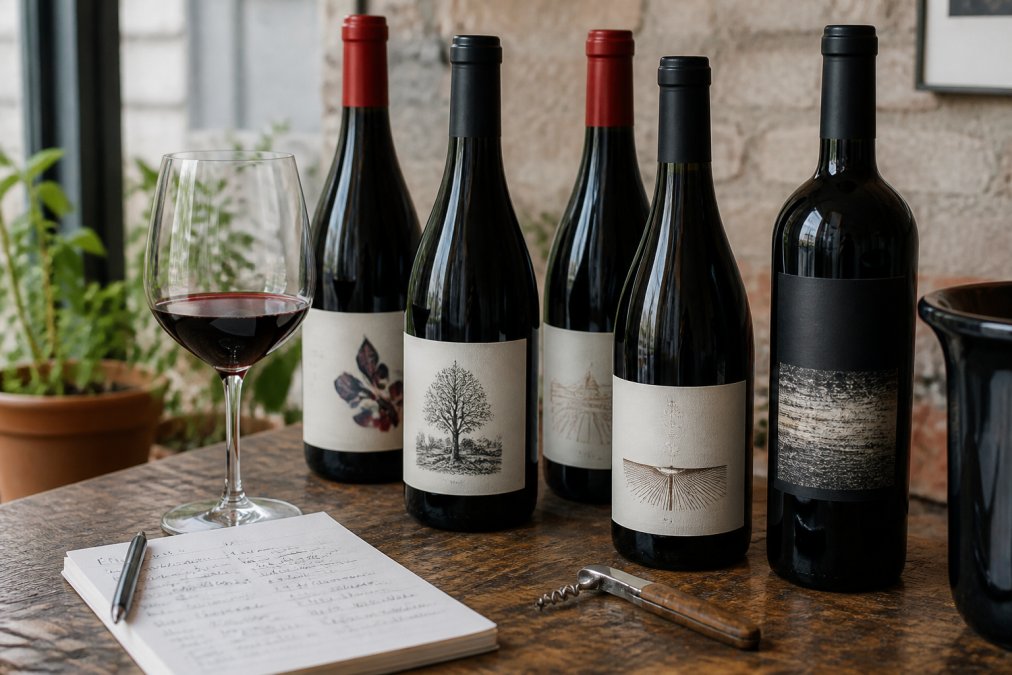
79North Ltd imports directly from family-owned estates that are often new to the UK market, which means distinctive bottles you will not find on a supermarket shelf.
Sustainability and Carbon Footprint of International Shipping
The carbon footprint of international shipping is the angle most wine club reviews ignore, yet it is where a small-batch club's sourcing model becomes visible. Transporting wine from Italy to the UK carries emissions, and how a club ships matters as much as how far.
Storage and Aging Potential of Small-Batch Bottles
Small-batch bottles often age well, but not all are built for the long haul. Ageing potential depends on grape, structure and winemaking, so treat each bottle on its merits rather than assuming "small batch" means "cellar-worthy."
Pairing Guides for Specific Small-Batch Varietals
Pairing small-batch varietals is simpler than it looks: match weight to weight and let regional food guide you. Italian wines evolved alongside Italian cooking, so the classic combinations usually work.
- Nebbiolo (Barolo, Barbaresco): braised beef, truffle dishes, aged hard cheese
- Sangiovese (Chianti, Brunello): tomato-based pasta, grilled steak, pecorino
- Nerello Mascalese (Etna): grilled fish, aubergine, roasted vegetables
- Fiano and Vermentino: seafood, light pasta, fresh goat's cheese
- Jampal: aromatic dishes, cured meats, medium-spiced plates
Conclusion: Making Your Small Batch Italian Wine Club Choice
Choosing well comes down to the criteria, not the marketing. Score each club on transparency, sourcing, logistics, duty clarity, tiers, cancellation and value, and the right answer usually surfaces fast. The clubs worth your money name their growers, ship with care and let you leave without a fight.
Frequently Asked Questions
Are wine club memberships worth it for Italian wine lovers?
For anyone who enjoys discovering native grape varieties and small-lot wines, a membership can offer better value than buying individual bottles. You get curated selections, access to producers that rarely appear on shelves, and often lower per-bottle prices than specialist retailers. The key is matching the club to your taste and budget, and checking that you can pause or cancel without penalties.
What should I look for in a small-batch wine subscription?
Focus on producer transparency, regional diversity, and the club's sourcing model. A good small-batch Italian wine club will name the wineries, explain the terroir, and offer tasting notes for each bottle. Check shipping logistics, import duties, and whether you can customise your box. Also review the cancellation policy and membership tiers to ensure flexibility.
How do independent wine importers differ from mass-market clubs?
Independent importers typically work directly with family-owned wineries, focusing on small-lot, handpicked wines that reflect a specific place. Mass-market clubs often prioritise volume and consistency, which can mean less regional diversity. With an independent importer, you get producer transparency, unique native grape varieties, and a curated selection that changes with each vintage.
Are there UK-based clubs focusing specifically on family-owned Italian vineyards?
Yes, several UK-based wine clubs specialise in family-owned Italian estates, often working with small, innovative wineries. They curate selections that highlight native grapes and traditional methods. When choosing, look for clubs that share detailed producer stories, offer tasting notes, and provide flexible membership options. Some also focus on sustainability and cultural enrichment.
The challenge with small-batch wine is trust: knowing the grower is real, the shipping is careful, and the price is fair. 79North Ltd answers that with direct importing from family-owned estates, a portfolio built on native grape varieties, and trusted representation for small wineries entering the UK. Get started with 79North Ltd and stock wines your customers cannot find anywhere else.