
Wine Importer Alternatives: Beyond Raymond Reynolds
Table of Contents
- Why Restaurants Switch From Raymond Reynolds
- Independent Wine Distributors UK: Boutique vs Large-Scale
- How to Source Unique Wines for Hospitality
- Italian Wine Importers for UK Restaurants
- Cost-Benefit Analysis: Specialist Importers vs Major Distributors
- Integration, Logistics and Supply Chain Reliability
- Sustainability and Minimum Order Flexibility
- Conclusion
Last Updated: August 20, 2026
Why Restaurants Switch From Raymond Reynolds
Restaurant owners discover that large-scale distributors like Raymond Reynolds don't align with independent hospitality's needs. The issue isn't quality, it's flexibility, curation, and the ability to build a wine strategy reflecting your establishment's character rather than a standardised portfolio.
When a sommelier wants to feature wines with genuine story, or when a manager needs MOQ (minimum order quantities) that don't force overstock, centralised distribution becomes a constraint. Your wine list looks identical to three other restaurants down the street, all sourcing from the same major distributor.
79North Ltd specialises in precisely this gap. We represent family-owned Portuguese and Italian wineries that major distributors don't carry, wines with genuine regional character and provenance that give your menu authenticity competitors can't replicate.
Independent Wine Distributors UK: Boutique vs Large-Scale
The choice between boutique and large-scale wine importer alternatives defines your entire procurement strategy.
Large-scale distributors offer breadth, established logistics, and negotiating power. They supply everything from budget house wines to premium selections. Their infrastructure is reliable and delivery is consistent. But scale creates distance. Your account is one of thousands. Product knowledge is generic, and you're buying from a catalogue, not a relationship.
Boutique importers operate on relationship and expertise. They work with 10-30 restaurants rather than 1,000. They know your menu, understand your clientele, and can recommend wines specifically for your food programme. Their portfolios are curated, not comprehensive. The trade-off: smaller selection and potentially higher per-bottle cost, but you gain exclusivity, authenticity, and a wine list that differentiates your restaurant.
| Distributor Type | Best For | Key Strength | Main Limitation |
|---|---|---|---|
| Large-scale | High-volume, broad selection | Logistics reliability, price negotiation | Generic portfolios, limited curation |
| Boutique | Independent restaurants, distinction | Expertise, exclusive wines, relationships | Smaller selection, potentially higher costs |
| Specialist importer | Regional focus, authenticity | Deep knowledge, unique producers | Limited breadth outside specialisation |
How to Source Unique Wines for Hospitality
Sourcing distinctive wines requires a different approach than ordering from a standard catalogue. Start by defining what "unique" means for your restaurant: Italian-focused list, lesser-known regions, or natural wines. Your sourcing strategy must connect to your food programme and customer expectations.

Trade tastings and industry events are where real sourcing happens. These events connect you directly with importers, producers, and fellow sommeliers. You taste current releases, understand producer philosophy, and build relationships with specialists who can guide your selections. Industry relationships matter more than price lists, a conversation with an importer who understands your restaurant's positioning generates better recommendations than browsing an online catalogue.
Single Estate and Regional Specialization
Single estate wines carry provenance and story. When a sommelier can explain that a wine comes from a specific family estate in the Douro Valley, aged in their traditional method, the wine becomes part of your narrative. Customers pay attention to that context and it justifies premium pricing.
Regional specialisation works similarly. Rather than stocking Italian wines broadly, focus deeply on one region. Develop genuine expertise in that region's terroir, producers, and seasonal variations. This depth creates authority and gives your wine programme coherence.
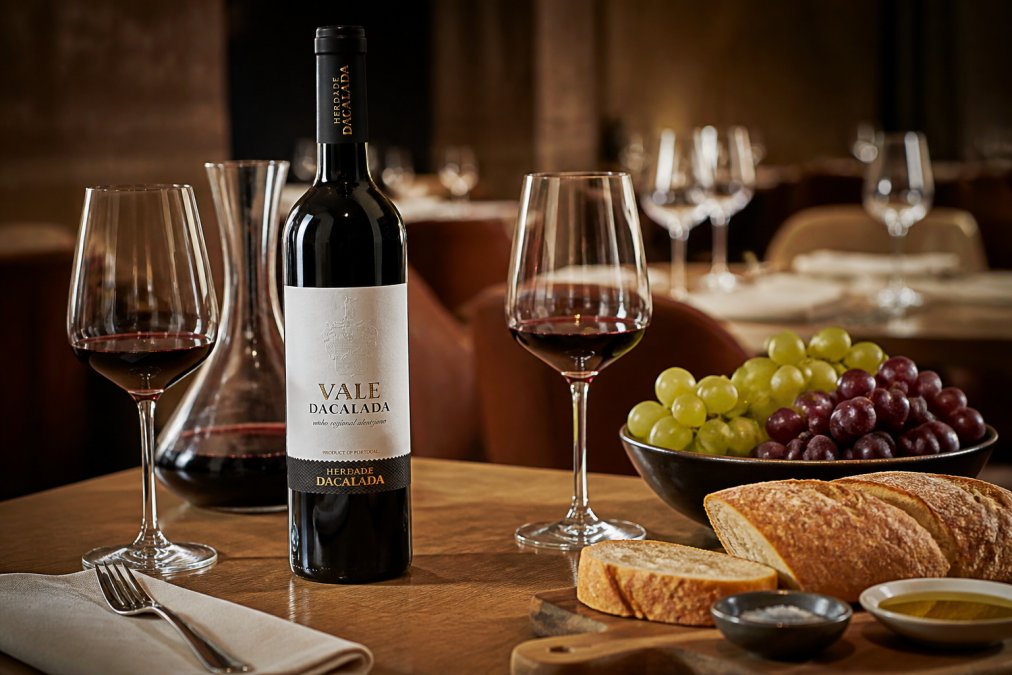
79North Ltd's portfolio emphasises exactly this approach: single estates from Portugal and Italy, with wines like Herdade da Calada from the Alentejo region, where family ownership and traditional methods define the character.
Trade Tasting and Industry Relationships
Trade tastings are where you discover new producers, taste current vintages before committing to orders, and build relationships with importers who become ongoing partners. An importer you've worked with for two years understands your preferences, budget constraints, and customer base. They anticipate what you'll want to stock and alert you to limited releases before they're publicly available.
Italian Wine Importers for UK Restaurants
Italian wines represent a specific sourcing challenge and opportunity. Finding Italian wine importers for UK restaurants who specialise in quality rather than volume requires deliberate research.
The best Italian wine importer alternatives focus on specific regions and producer relationships rather than representing the entire country. What matters most: does the importer have direct relationships with producers, or are they reselling from larger distributors? Direct relationships mean better pricing, access to limited releases, and genuine producer knowledge.
Quality importers also understand the hospitality-specific challenge: Italian wines need proper presentation and sommelier knowledge to sell. A Barolo at £40 on a wine list needs context, vintage, producer, and pairing information, or customers won't order it. Quality importers provide that support through staff training and tasting notes.
Cost-Benefit Analysis: Specialist Importers vs Major Distributors
The price conversation is where many restaurant owners hesitate with specialist wine importer alternatives. Specialist importers often charge 15-25% more per bottle than major distributors for comparable quality wines. But this comparison misses the actual financial equation because it ignores how wines sell, what margin they generate, and overall wine programme profitability.
Understanding the Price Differential
Major distributors achieve lower per-bottle costs through volume purchasing. But for distinctive wines, single estates, small-production releases, regional specialities, the comparison is different. A major distributor may not stock them at all. A specialist importer's higher price reflects direct producer relationships, curation expertise, smaller volumes, and exclusivity.
The Revenue-Per-Bottle Framework
The real financial comparison isn't wholesale cost; it's profit per bottle sold.
Consider two wines:
Wine A (commodity, major distributor): Wholesale cost £6, retail price £18 (3× markup), average sell-through 8 bottles per week = £96 weekly profit, £4,992 annual profit.
Wine B (distinctive, specialist importer): Wholesale cost £9, retail price £28 (3.1× markup), average sell-through 5 bottles per week = £95 weekly profit, £4,940 annual profit.
They're nearly identical in profit, despite Wine B costing 50% more wholesale. The difference is that Wine B commands higher pricing because it's distinctive. If Wine B sells 7 bottles per week instead of 5, annual profit reaches £6,916, significantly higher.
The Hidden Costs of Major Distributors
Major distributors' lower per-bottle costs come with indirect costs: inventory carrying costs for slow-moving wines, opportunity cost of shelf space that could hold distinctive wines generating higher profit, and limited staff training. A wine from a specialist importer comes with producer story and terroir context. Wines with story sell better.
Calculating Your Break-Even Point
If a specialist importer's wine costs 20% more wholesale but you can sell it at a 50% higher retail price, you need to sell approximately 5-6 bottles per week to match the profit of a commodity wine selling 8 bottles per week. For most independent restaurants, distinctive wines sell at this rate or better.
The Portfolio Effect
A restaurant with 40 wines from a major distributor looks similar to competitors using the same distributor. A restaurant with 20 commodity wines from a major distributor and 20 distinctive wines from a specialist importer stands out. Wine enthusiasts notice and recommend it to friends. This reputation effect generates customer acquisition and retention that pure financial analysis misses.
When Major Distributors Remain the Better Choice
Specialist importers don't win in every scenario: high-volume, price-sensitive restaurants where customers primarily order house wine; restaurants with limited wine knowledge; restaurants with unstable menus; or minimal wine programmes where wine is 5% of revenue.
The Hybrid Model: Best of Both
Most successful independent restaurants use both major distributors and specialist importers: major distributor for house wines, popular regions, and reliable sellers; specialist importer for curated, distinctive wines that define your programme and differentiate you. This approach balances financial efficiency with differentiation.
Integration, Logistics and Supply Chain Reliability
Operational reliability matters only if you can actually receive, manage, and serve the wine efficiently.
Ordering and Communication Workflows
Major distributors operate through standardised digital channels with automated invoicing. Specialist importers typically use direct communication: email, phone, or a simple online form. Orders may need to be placed 48-72 hours in advance. This feels slower initially, but it creates a feedback loop where the importer learns your preferences and can proactively suggest wines.
Inventory Integration and POS Systems
Major distributors increasingly offer POS integration. Specialist importers rarely offer native POS integration. For independent restaurants with 30-60 wines on list, manual management is often faster than learning a new system.
Delivery Frequency and Lead Times
Major distributors typically offer multiple delivery windows per week with 24-48 hour lead time. Specialist importers may deliver weekly or fortnightly with 5-7 day lead time. This requires genuine planning, but they often hold safety stock of core portfolio wines for established customers, reducing effective lead time.
Minimum Order Quantities and Flexibility
Major distributors typically require case quantities: 6 or 12 bottles per SKU. For independent restaurants, this creates risk. Specialist importers have flexibility here. Many will sell you 2-3 bottles of a wine to trial it. If it works, you commit to larger orders. Some also offer 'mixed case' options: 2 bottles each of 6 different wines.
Decision Framework: When to Switch
Before moving from a major distributor to a specialist importer, evaluate your administrative capacity, inventory stability, lead time tolerance, trial-and-error appetite, and POS integration necessity. If you need automation, frequent changes, and reactive ordering, a major distributor remains better operationally. If you prioritise experimentation and distinctive selections, a specialist importer's model aligns with your workflow.
Sustainability and Minimum Order Flexibility
Environmental impact increasingly influences purchasing decisions in hospitality. Major distributors have sustainability programmes, but they're often generic carbon offset schemes without producer-level detail.
Specialist importers often work with producers who embed sustainability into actual practice. Family estates in Portugal and Italy frequently use traditional methods, minimal chemical inputs, and regenerative agriculture. These aren't marketing claims, they're how producers operate because they own the land long-term.
Specialist importers also offer minimum order flexibility. If you want to trial a wine, many will sell you 2-3 bottles before committing to a case. If a wine isn't moving, they'll help you find alternatives rather than insisting you clear stock. This flexibility is essential for building distinctive lists without excessive inventory risk.
Products like Herdade da Calada 2021 Vale da Calada Tinto (£17.00 per bottle) or Casa Américo 2023 Sonante DOP Dão Tinto (£14.00 per bottle) from 79North's portfolio demonstrate how specialist importers price quality wines accessibly while maintaining producer relationships and sustainability standards.
Frequently Asked Questions
What makes a wine importer alternative better than Raymond Reynolds?
Specialist wine importer alternatives often offer deeper regional expertise, smaller minimum order quantities, and direct relationships with family-owned producers. While Raymond Reynolds focuses on volume and breadth, boutique importers like those sourcing from Portugal and Italy prioritise curated portfolios and authentic terroir expression. Independent importers typically provide better menu consultation, trade tasting access, and flexibility for independent restaurants seeking distinctive, undiscovered wines that set them apart.
How do independent wine distributors in the UK differ from large-scale importers?
Independent wine distributors maintain closer relationships with smaller producers, offer more flexible delivery terms and lower minimum orders, and provide personalised service tailored to your restaurant's concept. Large-scale importers prioritise efficiency and standardised offerings across many accounts. Independent distributors invest time in understanding your menu, wine pairing needs, and clientele, making them ideal for fine-dining establishments building distinctive beverage programmes around regional specialisation and single estate selections.
What should I look for when sourcing unique wines for hospitality?
Prioritise importers with established trade accounts, proven supply chain reliability, and expertise in specific regions or grape varieties aligned with your menu. Seek importers attending industry trade tastings and offering quality assurance documentation. Evaluate their wholesale distribution model, inventory management systems, and willingness to support menu curation with pairing expertise. Verify they can handle your volume requirements without imposing unrealistic minimum order quantities, and confirm their logistics network ensures consistent delivery.
Are there wine importers specialising in Italian wines for UK restaurants?
Yes. Specialist Italian wine importers focus on regional selections from established wine regions, offering authentic varietals and family-owned producers often unavailable through mainstream distributors. These importers provide deeper knowledge of Italian terroir, vintage selection, and pairing traditions. They typically attend trade tastings, maintain quality assurance standards, and work directly with independent retailers and fine-dining establishments seeking to build menus around Italian regional specialisation and authentic producer relationships.
Switching from a major distributor to wine importer alternatives requires confidence that a smaller operation can deliver reliability, quality, and genuine partnership. The restaurants and wine shops that make this transition successfully do so because they've found an importer who understands their market, respects their constraints, and brings real expertise to their wine programme. That's the distinction that transforms a wine list from a menu necessity into a genuine competitive advantage.
This article was written using GrandRanker