How to Select Premium Dão White Wine
Quick Summary
To select premium Dão white, start with the label: look for a family producer, the DOP Dão appellation and Encruzado, the grape that gives Dão whites their texture and ageing potential. Then check acidity, structure and the vintage note. Premium Dão white should taste fresh, with mineral character from granite soils.
- Look for Encruzado on the label, a strong sign of quality and ageing potential.
- Good Dão whites show mineral character, clean freshness and a bit of weight without heaviness.
- Check the finish: acidity and minerality should hold, not fade after the aroma.
- Stainless steel keeps fruit fresh, while lees ageing or oak adds texture and complexity.
- A high price does not guarantee more oak or complexity, so read the tasting note first.
Table of Contents
- Granite soils, altitude and cooler nights
- Understanding Encruzado Wine and Its Blends
- A Step-by-Step Framework for Choosing a Bottle
- Judging Dão White Wine Ageing Potential
- Price Tiers and What Each One Delivers
- Matching Dão White Wine With Food
- Serving, Storing and Choosing Your Next Dão Bottle
- Frequently Asked Questions
Why Dão White Wine Stands Apart
If you want premium Dão white wine, the best place to start is the region's soil, altitude and climate. Dão is an inland appellation in northern Portugal, and its granite-rich vineyards produce whites with a clear mineral edge and lively acidity (Dão). That combination is what separates the best bottles from the rest.
At 79North Ltd, we import family-owned Portuguese wines for independent shops and restaurants across the UK. The short version is this: a well-made Dão white is fresh, structured and surprisingly age-worthy. A poorly made one is just thin and sharp.
Dão sits in the Serra da Estrela foothills, where the vines climb to between 400 and 600 metres. Higher ground means cooler nights, which slows ripening and keeps acidity high.
Granite soils, altitude and cooler nights
Here is what to look for on the label and in the tasting note:
- Mineral character: Flint, wet stone or saline notes often point to granite-grown fruit.
- Freshness: Clean citrus and white flowers suggest the cool nights did their job.
- Structure: A bit of weight on the palate, without heaviness, is a good sign.
A common mistake is judging Dão by its aroma alone. Give the wine a minute in the glass and check whether the acidity and minerality hold through the finish.
How Dão differs from Vinho Verde
Many UK drinkers know Vinho Verde first, so it is a useful comparison. Vinho Verde is light, zesty and often slightly spritzy, made to be drunk young. Dão whites are rounder, more textured and built to be kept for a few years. Both are Portuguese, but they suit very different moments on the table.
Understanding Encruzado Wine and Its Blends
Encruzado is the signature white grape of Dão, and it is the one to know if you are serious about premium bottles. It gives wines their texture, subtle aromas of lemon and chamomile, and the ability to age well.
When you see Encruzado on a label, it usually means more structure and more ageing potential. For a side-by-side look at other white varieties from the neighbouring region, see our Alentejo White Wine Varieties: A Buyer's Guide.
The Casa Américo 2023 Sonante DOP Dão Branco is a blend of Bical, Cerceal-branco and Encruzado, grown on granite soils at altitude and fermented in small stainless steel tanks at a controlled temperature. You can see the full details on the Casa Américo 2023 Sonante product page.
A Step-by-Step Framework for Choosing a Bottle
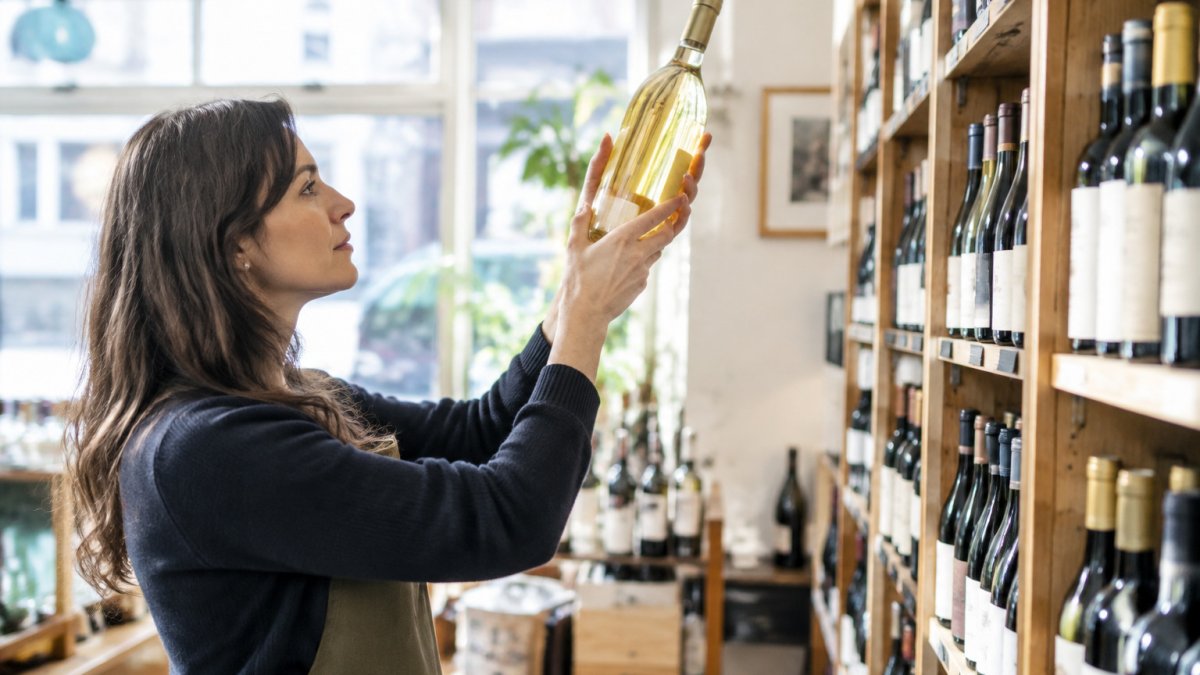
Choosing a premium Dão white is easier if you work through the same checks each time. Our buyers use this sequence when they taste new producers.
Reading the label: producer, appellation and grape
Start with three things on the front label:
- Producer: Look for a family estate with a clear story and a consistent house style.
- Appellation: DOP Dão tells you the wine comes from the protected region.
- Grape: Encruzado on the label is a strong signal of quality and ageing potential.
Checking the vintage and the winemaking choices
Next, check the vintage and the back label. A good vintage in Dão can mean stronger acidity and better structure, while a cooler year may give more freshness but less body. Look for information about ageing: stainless steel keeps fruit fresh, while lees ageing or oak can add texture and complexity. Neither is automatically better, so choose based on the style you want.
Watch out: a high price does not guarantee more oak or more complexity. Read the tasting note and the producer details before you decide.
Casa Américo 2023 Sonante DOP Dão Branco →
Judging Dão White Wine Ageing Potential
Ageing potential is where premium Dão whites earn their price, but it is also where most buying advice stops at "cellar it in a cool, dark place". A more useful approach is to judge the wine on four signals before you decide whether to drink it now or hold it.
Acidity first. Encruzado holds its acidity well, and that is the backbone of any wine that will improve in bottle. A premium Dão white should taste fresh even when it also shows weight and texture. If the acidity feels soft or flabby on opening, it is unlikely to gain definition with time.
Structure and extract. Look for a wine with some grip and a dry, slightly phenolic finish rather than one that is purely fruity and soft. Lees ageing and gentle skin contact add this kind of structure, and most practitioners find that wines with more extract develop more interesting savoury and honeyed notes over three to six years.
Winemaking cues.
Vintage variation. Ask the producer or importer for a vintage note rather than assuming every year performs the same way.
The four signals below summarise how to judge whether a premium Dão white is worth holding.
| Signal | What to check | Why it matters |
|---|---|---|
| Acidity | Should taste fresh, not soft or flabby | Backbone of any wine that will improve in bottle |
| Structure and extract | Some grip and a dry, slightly phenolic finish | Lees ageing and skin contact add structure |
| Winemaking cues | Stainless steel keeps fruit fresh; lees or oak add texture | Shows the style the producer intends |
| Vintage variation | Ask for a vintage note | Each year can perform differently |
Price Tiers and What Each One Delivers
A working guide to the tiers:
- Casa Américo 2023 Sonante DOP Dão Branco, £14.00: a blend of Bical, Cerceal-branco and Encruzado, grown on granite soils at altitude and fermented in stainless steel at a controlled temperature. Full details are on the Casa Américo 2023 Sonante product page.
Matching Dão White Wine With Food
Dão whites pair with a range of dishes, from grilled fish and roast chicken to creamy sauces and Portuguese classics.
If you are building a restaurant list, consider a range from light and fresh to richer, lees-aged styles. Our guide to 7 Portuguese White Wines for Restaurant Menus covers pairings in more detail, and Food Pairings for Unique Portuguese Grape Varieties goes deeper into matching distinctive grapes like Encruzado.
Serving, Storing and Choosing Your Next Dão Bottle
For value at the lower end, Affordable Dão Wine for Dinner is a good place to shortlist options. Use the framework above to compare labels, check the vintage, and taste with a clear idea of the style you want. With a little practice, you will spot a premium Dão before you open the bottle.
Frequently Asked Questions
What makes Dão white wine premium?
Premium Dão whites usually come from older vines, low-yielding granite-soil vineyards at altitude, and producers who control fermentation and ageing carefully. Look for a clear appellation, a named producer, and a vintage that shows freshness and balance. Encruzado-led blends from established estates often show the most structure. Price alone is not a reliable guide, so check the producer's track record and the wine's acidity and length on the palate before deciding.
What food pairs well with Dão white wine?
Dão white wine's acidity and mineral edge suit seafood, grilled fish, roast chicken and creamy dishes with a little richness. Encruzado-based wines with some texture can handle more savoury plates, while lighter, fresher styles suit salads and shellfish. Match intensity to intensity: a delicate white will be overwhelmed by heavy sauces, while a structured Dão can stand up to them.
Should you choose a single-varietal or blended Dão white?
Single-varietal Encruzado shows the grape's distinctive character clearly, while blends combine Encruzado with Bical, Cerceal and other local varieties to add aromatic lift or extra acidity. Neither is automatically better. Single-varietal wines suit buyers who want to explore the signature grape. Taste both if you can, and note which one matches your customers' preferences.
How can you tell whether a Dão white wine will age well?
Check the vintage and producer notes before buying, and taste the wine for acidity and balance.
